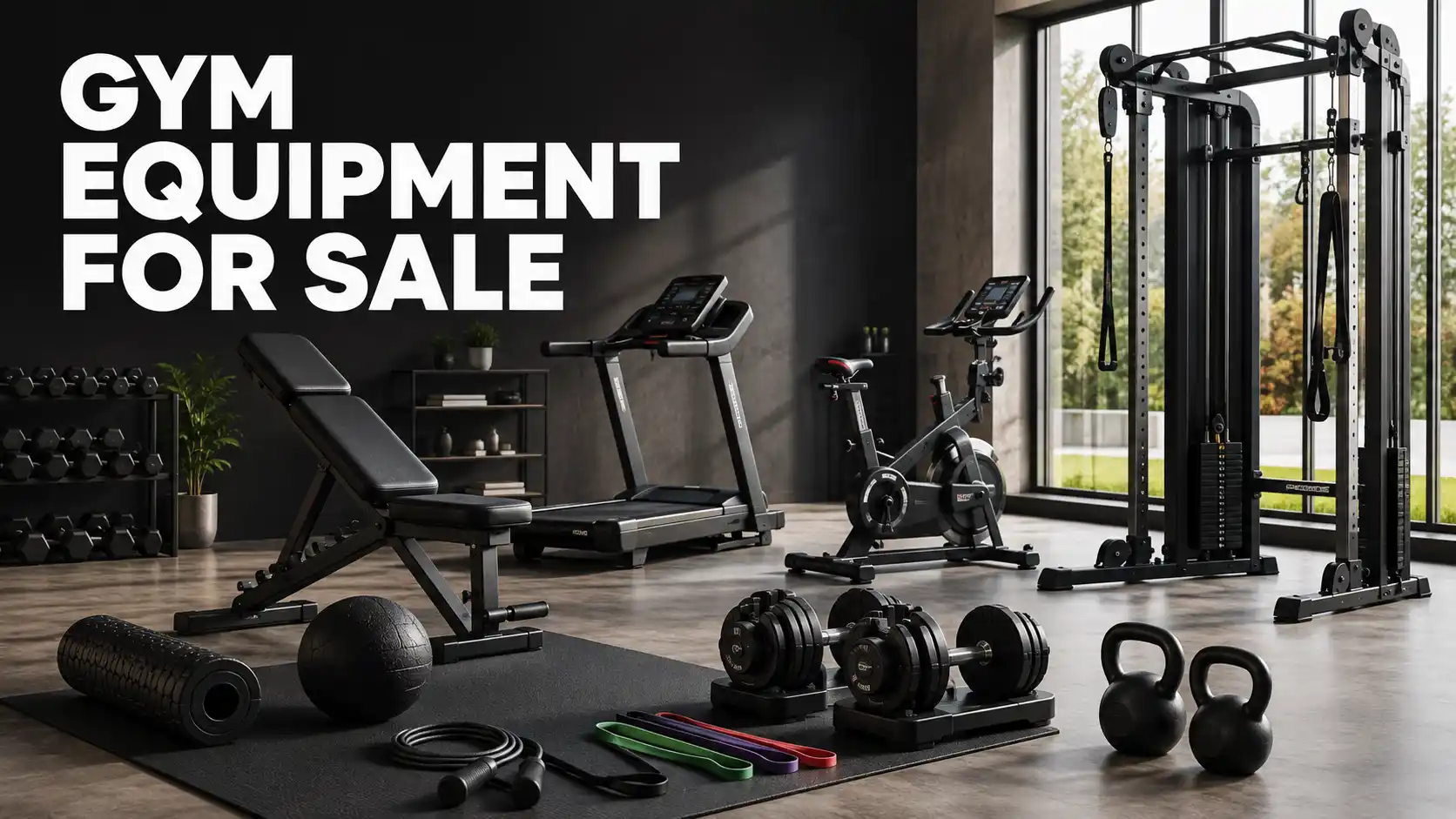
Gym Equipment for Sale: The Complete 2026 Buying Guide
Buying gym equipment often means choosing between paying full retail price or gambling on a used machine with no history. Neither should feel like a coin flip. Gym equipment for sale today spans brand new commercial machines, certified refurbished units, and private sales, each with very different value, and knowing the difference is what separates a smart purchase from an expensive mistake.
This guide breaks down exactly what to buy, where to buy it, and how to tell quality equipment from a future repair bill. You will get realistic price ranges, a practical inspection checklist, a comparison of every major buying channel, and guidance on financing, warranties, and space planning, so you can shop with confidence instead of guesswork.
In short, the best gym equipment for sale is the piece that matches your goals, fits your space, and comes with a clear history of condition and use, not just the lowest price tag.
Table of Contents
What Counts as Gym Equipment for Sale (and What You Actually Need)
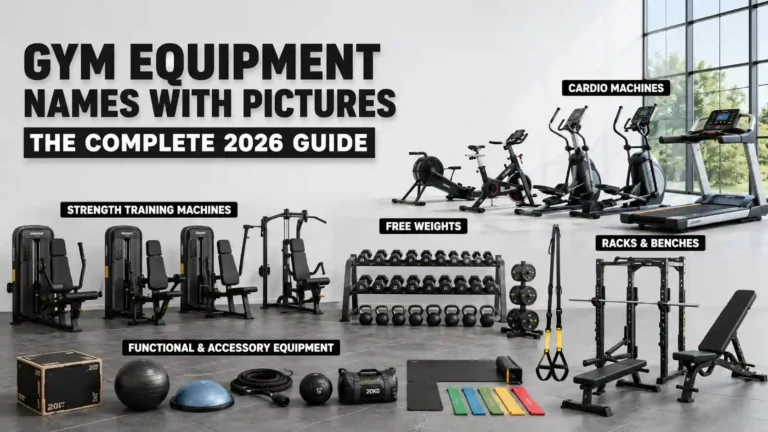
Gym equipment for sale typically falls into three categories: cardio machines, strength machines, and free weights. Most buyers do not need all three at once, and figuring out which category matters most to you is the real starting point, not browsing listings.
Cardio equipment includes treadmills, ellipticals, stationary bikes, and rowing machines. These machines are popular for home use because they support heart health and general conditioning without requiring a large footprint. Strength machines cover cable systems, functional trainers, smith machines, and multi station home gyms, and they are often the anchor piece for anyone building a serious strength routine in a limited space. Free weights include dumbbells, barbells, plates, kettlebells, and benches, along with racks to hold them, and they remain the most flexible and cost effective category for almost any training goal.
A home garage gym usually needs a very different mix than a small commercial studio. A single person training at home might only need a power rack, a barbell, plates, and an adjustable bench, while a boutique studio needs enough cardio units and strength stations to serve several clients at once. Facilities that train groups also need to think about equipment turnover, since machines used daily by multiple people wear down far faster than a single home unit.
If you want a deeper breakdown of every machine type before you shop, our full guide to types of gym equipment by category walks through cardio, strength, and free weight options in detail, and our complete guide to every gym machine and tool covers individual pieces of equipment one by one.
Before shopping, ask yourself three questions:
- What are my primary training goals, strength, cardio, or both?
- How much floor space do I actually have?
- Will I be the only user, or does this equipment need to hold up under multiple people and daily use?
Answering those first narrows your search and prevents buying equipment you will not use. Many first time buyers overspend on cardio machines they rarely use while underspending on the strength basics, like a solid rack and bar, that actually get used week after week.
New vs Used vs Refurbished Gym Equipment: Which Is Right for You
The condition label on a listing changes the price, the risk, and how long the equipment will last, so it is worth understanding what each term actually means before you compare gym equipment for sale.
New equipment comes straight from the manufacturer with a full warranty and zero wear. It costs the most, but you know exactly what you are getting and can expect years of reliable use without surprises. New equipment also tends to include the latest features, such as updated consoles on cardio machines or improved safety mechanisms on racks.
Used equipment is sold as is, often through private sellers, marketplaces, or liquidation sales. Prices can drop 30 to 70 percent below retail, but condition varies widely and warranties are rare unless the seller offers one. Buying used rewards patience and careful inspection far more than buying new does.
Refurbished or remanufactured equipment sits in the middle. A dealer inspects, repairs, and often replaces worn parts like belts, cables, or upholstery before resale. Quality resellers back these units with a warranty, which makes them a strong balance of savings and reliability, especially for commercial grade machines that were built to outlast several ownership cycles.
A simple way to decide:
- Choose new if you want zero risk and plan to keep the equipment for a decade or more.
- Choose refurbished if you want commercial quality at a lower price with some protection.
- Choose used if your budget is tight and you are comfortable inspecting equipment yourself.
It also helps to match the condition to the equipment type. Simple items like plates, dumbbells, and racks have almost no moving parts, so buying them used carries very little risk. Motorized cardio equipment and cable machines have far more that can go wrong, which is where refurbished or new options often make more sense.
The brand behind the equipment also affects how confidently you can buy it used. Our guide to the top fitness equipment brands breaks down which manufacturers are known for durability, so you can judge a used listing against a brand’s real world track record rather than the label alone.
How Much Does Gym Equipment Cost in 2026
Prices for gym equipment for sale vary widely by category and condition, so having realistic numbers in mind helps you spot a genuine deal versus an inflated one.
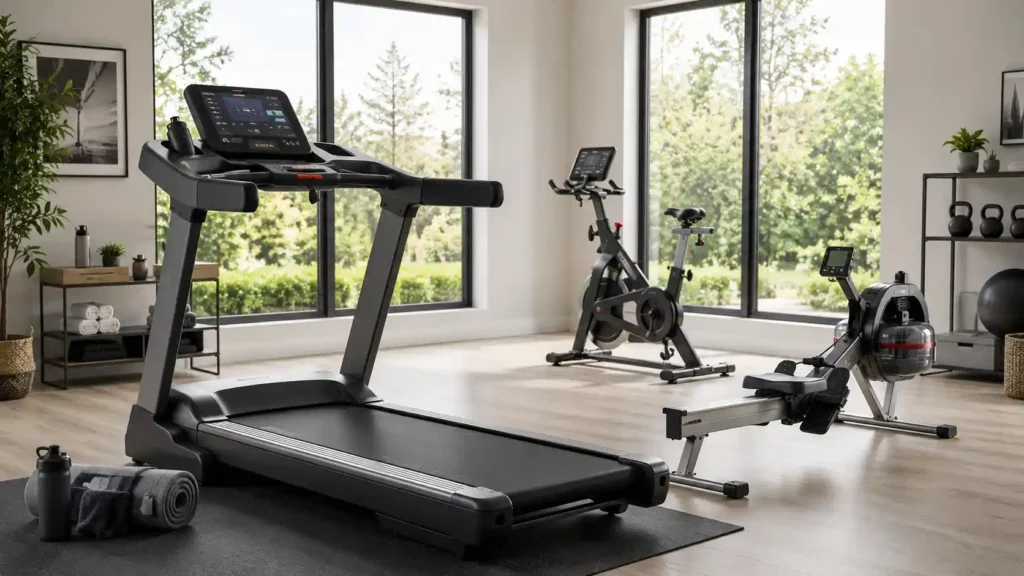
Cardio machines tend to be the biggest investment. New commercial treadmills often run from 3,000 to 8,000 dollars, while home models start closer to 800 to 2,000 dollars. Used or refurbished units can cut those numbers by 30 to 60 percent, with quality commercial treadmills often available refurbished for 1,500 to 3,500 dollars. Ellipticals and rowing machines generally sit slightly lower across all three condition categories.
Strength machines, like cable systems or functional trainers, typically range from 1,500 to 5,000 dollars new, with refurbished commercial units often available for 40 to 60 percent less. Multi station home gyms that combine several exercises into one frame usually cost 500 to 2,000 dollars depending on build quality and weight stack size.
Free weights are the most budget friendly entry point. A basic barbell and plate set can cost 300 to 600 dollars new, while a full power rack with bench and weights can be assembled for 800 to 1,500 dollars, less if bought used. Dumbbell sets are priced largely by total weight, so expect to pay close to a dollar or more per pound for quality cast iron or rubber coated pairs.
Full home gym setups for a single user, combining a rack, bench, barbell, plates, and basic cardio, generally fall between 1,500 and 4,000 dollars depending on condition and brand. Commercial facility budgets scale up significantly from there, often running tens of thousands of dollars once multiple cardio units and strength stations are included.
As a rule, expect used and refurbished gym equipment for sale to cost roughly half of new retail pricing, with deeper discounts on liquidation and clearance sales. Prices also fluctuate seasonally, with the strongest deals typically appearing after major holidays, when resolution driven buyers return unused equipment and resellers clear inventory.
It also helps to think in terms of cost per use rather than sticker price alone. A treadmill bought for 1,800 dollars that gets used five times a week for years works out to a very low cost per session, while the same machine sitting unused in a corner is expensive no matter how good the original deal was. Before buying, consider your realistic usage pattern, not just the number on the price tag, since that ultimately determines whether the purchase pays off.
Where to Find Gym Equipment for Sale
Where you buy matters almost as much as what you buy. Each channel offers a different balance of price, selection, and protection, so it helps to know what you are trading off before you commit.
Specialty Fitness Resellers
Dedicated resellers focus on refurbishing and reselling commercial grade equipment from brands like Life Fitness, Precor, and Cybex. They typically inspect and repair units before sale and back them with a warranty, making this the safer route for used or refurbished purchases. Expect to pay somewhat more than a private sale, but with far less risk, since these companies stake their reputation on the equipment performing well after it leaves the warehouse.
Big Box and Sporting Goods Retailers
Retailers like Dick’s Sporting Goods carry new equipment at fixed prices with return policies and manufacturer warranties intact. This is the simplest path for buyers who want convenience and are not trying to save through used purchases. Selection tends to lean toward consumer grade rather than commercial grade machines, which is usually sufficient for light to moderate home use.
Online Marketplaces and Classifieds
Facebook Marketplace, Craigslist, and eBay offer the widest selection and the deepest discounts, since you are often buying directly from an individual clearing out a home gym. The tradeoff is no warranty and no professional inspection, so you carry the full risk. These platforms reward buyers who are patient, willing to negotiate, and comfortable inspecting equipment in person before paying.
Gym Liquidations and Auctions
When a gym closes or upgrades, it often sells off entire equipment lots at steep discounts, sometimes through the resellers mentioned above. These sales are ideal for bulk purchases but usually happen on short notice, so timing and quick decision making matter more than in a typical listing. Buyers furnishing a full facility often find liquidation sales offer the best overall value, since commercial grade machines are sold well below their original cost even with moderate wear.
Best Gym Equipment for Sale by Fitness Goal
Matching equipment to a specific fitness goal helps avoid the common mistake of buying whatever is on sale rather than what you will actually use consistently.
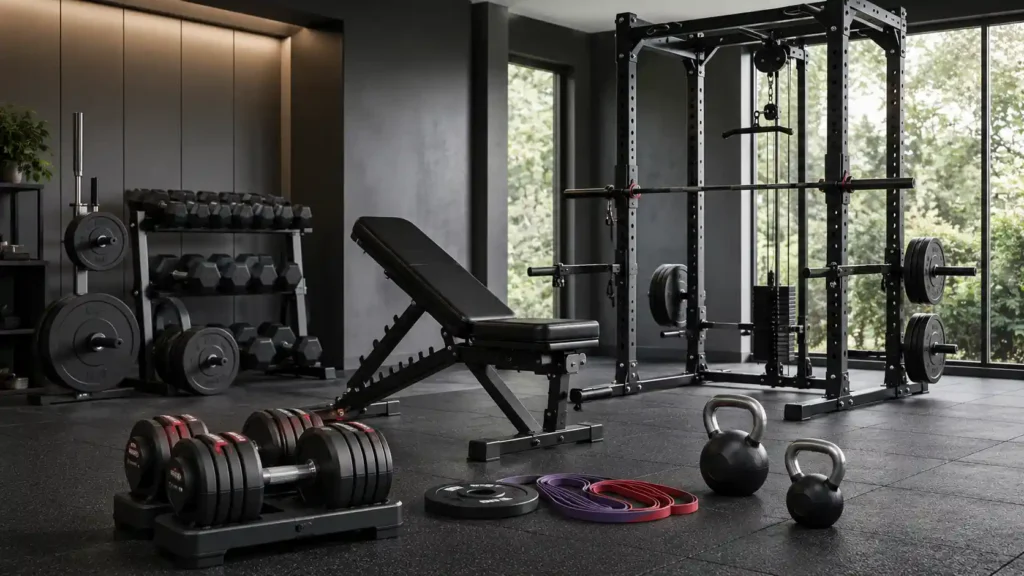
For general strength training, prioritize a power rack, an olympic barbell, a full set of plates, and an adjustable bench. This combination covers the majority of effective strength exercises and holds its value well if you later decide to sell it.
Our complete guide to strength training equipment goes further into building out a strength focused setup piece by piece, including how to sequence purchases as your training progresses.
For weight loss and cardio conditioning, a treadmill or a rowing machine tends to deliver the most consistent results, since both support long, steady sessions as well as short, intense intervals. Ellipticals are a solid lower impact alternative for buyers managing joint concerns.
For a wider comparison of cardio and strength options for the home, see our guide to the best home exercise equipment, which ranks machines by how consistently people actually use them.
For small space or apartment setups, compact multi station home gyms, adjustable dumbbells, and resistance bands offer meaningful training variety without the floor space a full rack and bench setup requires.
For commercial or group training facilities, a mix of cable machines, functional trainers, and multiple cardio units built for daily heavy use is essential, since consumer grade equipment wears out quickly under that kind of demand.
It is worth resisting the urge to buy every category at once. A more effective approach is to start with the one or two pieces that directly support your primary goal, use them consistently for a few months, and then expand based on what your training actually calls for. This prevents an expensive setup from sitting mostly unused, which is one of the most common regrets among first time buyers.
How to Inspect Used Gym Equipment Before You Buy
Buying used or refurbished gym equipment for sale comes down to one skill: knowing what to check before you pay. A quick visual pass is not enough, since many problems hide beneath upholstery or inside the motor housing.
Frame and structure. Look closely for cracks, rust, or loose bolts at the welds and joints. Give the equipment a firm push or shake. Any wobble or shift signals a structural issue that is often not worth repairing, since frame damage is expensive and sometimes impossible to fix safely.
Upholstery and grips. Check seat pads, backrests, and hand grips for rips, cracks, or dry rot. This is cosmetic damage in most cases, but it can also point to age and general wear across the whole machine, particularly if the damage is severe relative to the equipment’s stated age.
Cables and pulleys. On cable machines and functional trainers, look for fraying or kinking. A small tear in the coating can mean the steel core underneath is already compromised. Also check that weight stacks move smoothly without sticking or chattering, since a sticking stack usually points to worn bushings that will need replacement soon.
Motors on cardio equipment. Run treadmills, ellipticals, or bikes for at least 10 minutes at varying speeds. Listen for grinding or unusual noise, and confirm the display, buttons, and incline or resistance settings all function correctly. A treadmill motor that struggles or overheats during a short test is unlikely to hold up under regular use.
A short checklist to bring with you:
- Does the frame stay stable under pressure?
- Are cables, belts, and upholstery free of visible damage?
- Does the machine run quietly and consistently for several minutes?
- Do all electronic features and adjustments work as expected?
Questions to Ask a Seller Before Buying Gym Equipment
A good inspection tells you the current condition of a machine, but the right questions tell you its history, and that history often predicts how much longer it will last. Asking a few direct questions before you buy gym equipment for sale can save you from a costly repair down the road.
How was the equipment used? Commercial equipment used in a high traffic gym for years wears differently than a home unit used a few times a week. Heavy daily use accelerates wear on motors, cables, and upholstery even if the machine looks clean.
Why is it being sold? Sellers upgrading equipment or closing a gym are usually straightforward. Be more cautious if the answer is vague or if the seller seems eager to sell quickly without explanation, since urgency can sometimes signal an undisclosed problem.
Is there any maintenance history? Records of servicing, part replacements, or professional repairs are a strong trust signal. They show the equipment was cared for and give you a sense of what might need attention next.
Does it come with a warranty or return option? Private sellers rarely offer either, but specialty resellers often do. A warranty, even a short one, shifts risk away from you if something fails soon after purchase.
Can I test it before paying? Always ask to run cardio equipment or load a machine with weight before finalizing a purchase. A seller who refuses a test is a red flag worth taking seriously, and it is reasonable to walk away if a straightforward request like this is denied.
Financing, Warranties, and Delivery Considerations
The listed price of gym equipment for sale is rarely the full cost of ownership. Financing, warranty coverage, and delivery logistics all affect what you actually pay and how protected you are afterward.
Financing options are increasingly common, even for used and refurbished equipment, with many resellers offering monthly payment plans for larger commercial purchases. This can make higher quality equipment accessible without a large upfront cost, though it is worth comparing the total repayment amount against simply saving for a straight purchase.
Warranty coverage varies enormously by seller. New equipment usually includes a full manufacturer warranty, refurbished equipment often includes a limited warranty from the reseller, and private sales typically include no warranty at all. Always ask exactly what is covered, for how long, and whether labor is included alongside parts.
Delivery and installation can add significant cost for heavy items like treadmills, power racks, and multi station gyms. Curbside delivery is usually cheaper than room of choice delivery with assembly, but heavier commercial equipment often requires professional installation for safety. Confirm these costs before finalizing a purchase, since they can shift the overall value of a deal considerably.
It is also worth asking who handles removal of packaging materials and, if applicable, your old equipment. Some resellers include haul away service as part of a delivery package, which can save considerable time and effort compared to arranging disposal yourself, especially with bulky items like treadmills or multi station gyms.
Planning Your Space, Budget, and Setup
Even the best gym equipment for sale is a poor purchase if it does not fit your space or your budget. Planning this out before you shop prevents returns, wasted money, and a garage full of equipment you cannot actually use.
If you are starting from an empty room, our home gym essentials guide for beginners and complete home gym equipment buyer’s guide both walk through the setup process step by step, from first purchase to a fully equipped space.
Measure your space first. Power racks typically need at least 7 feet of ceiling clearance, and cardio machines like treadmills need extra room front and back for safe use, not just their footprint at rest. Walk through your intended space with tape measure in hand before buying anything large.
Check your flooring. Heavy equipment like racks, benches, and loaded barbells can damage standard flooring over time. Rubber gym flooring or interlocking mats protect both your floor and your equipment, and they are worth budgeting for alongside the equipment itself.
Confirm electrical needs. Motorized cardio equipment, especially commercial treadmills, often requires a dedicated outlet or specific voltage. Check the manufacturer specs before purchase, particularly with used or refurbished units, since retrofitting a garage or basement for proper power can add unexpected cost.
Set a realistic total budget. Factor in delivery, assembly, flooring, and financing costs alongside the equipment price itself. A machine that looks affordable can end up costing significantly more once these extras are included, so ask about them upfront rather than after you have already committed to buying.
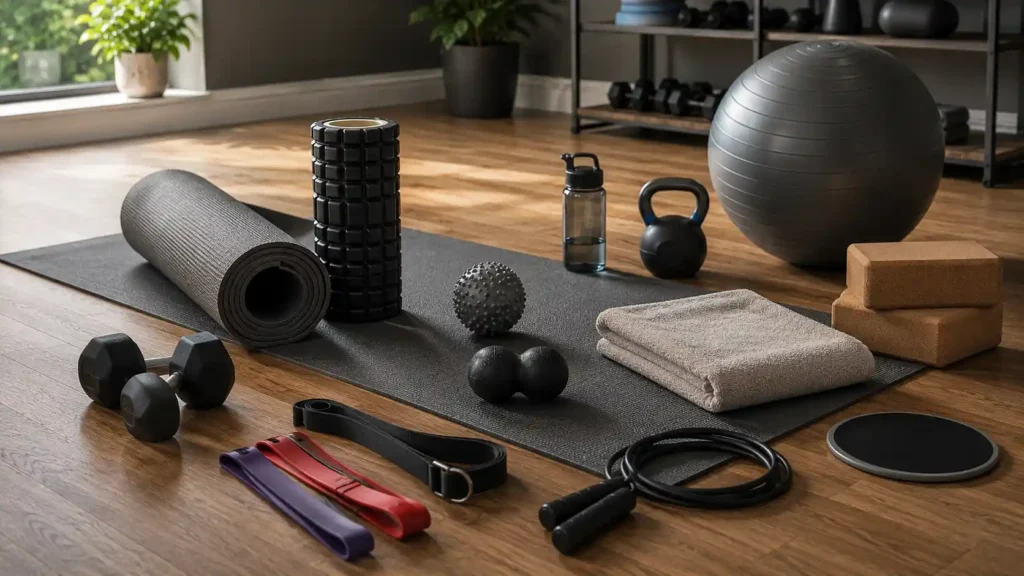
Finally, build in a small buffer for accessories you may not think of initially, such as collars for a barbell, a floor jack for changing plates quickly, or a fan for a garage gym without climate control. These add up to a modest amount compared to the core equipment, but they meaningfully affect day to day usability once your setup is complete.
For a full rundown of these smaller items and what is actually worth buying, check our guide to exercise and fitness accessories.
Frequently Asked Questions
What is the cheapest way to buy gym equipment?
Buying used equipment directly from private sellers on marketplaces like Facebook Marketplace or Craigslist typically offers the lowest prices, often 50 to 70 percent below retail. Gym liquidation sales and clearance listings from specialty resellers are also strong options for deep discounts on quality equipment.
Is it worth buying used gym equipment?
Yes, if you inspect it carefully or buy from a reseller offering a warranty. Used equipment can save 30 to 70 percent compared to new, and commercial grade machines are often built to withstand years of heavy use even after their first owner.
What should I look for when buying a used treadmill?
Run it for at least 10 minutes at varying speeds, checking for grinding noise, belt slipping, or inconsistent speed. Confirm the display and incline settings work correctly, and inspect the motor housing and deck for signs of neglect or excessive wear.
How much does a basic home gym setup cost?
A functional single user home gym with a power rack, barbell, plates, and bench typically costs between 800 and 1,500 dollars new, or less when bought used. Adding basic cardio equipment can push the total closer to 2,000 to 4,000 dollars.
What is the difference between refurbished and remanufactured gym equipment?
Refurbished equipment has been cleaned and repaired to working condition. Remanufactured equipment goes further, often being disassembled and rebuilt with new parts to near original specifications. Remanufactured units generally carry stronger warranties and closer to commercial grade reliability.
Where can I sell my old gym equipment?
Online marketplaces like Facebook Marketplace and eBay work well for individual pieces. Specialty resellers and used equipment dealers often buy commercial grade machines outright or accept trades, which can be faster than managing a private sale yourself.
Do gyms sell their equipment when they close or upgrade?
Yes, gym liquidations are a common source of discounted commercial equipment. These sales happen through resellers or direct auctions and often include entire equipment lots, making them ideal for buyers furnishing a full gym rather than a single machine.
How long does used commercial gym equipment last?
Well maintained commercial equipment from established brands can last 10 years or more, even after years of prior use. Lifespan depends heavily on maintenance history, so machines with documented servicing generally outlast those with no known repair record.
Is it safe to buy gym equipment from Facebook Marketplace or Craigslist?
It can be safe if you inspect the equipment in person and test it before paying. These platforms offer no built in protection or warranty, so the buyer carries full responsibility for verifying condition before completing the purchase.
What gym equipment should a beginner buy first?
Most beginners benefit most from a power rack, an adjustable bench, a barbell, and a basic set of plates. This combination supports a wide range of strength training without the higher cost or space demands of cardio machines or multi station systems.
Conclusion
Finding the right gym equipment for sale comes down to matching condition, price, and space to your actual training goals, not chasing the lowest number on a listing. New equipment offers certainty, refurbished units offer a smart middle ground with warranty protection, and used equipment rewards buyers willing to inspect carefully. Whichever route you choose, running through the inspection checklist, seller questions, and financing considerations in this guide will help you avoid costly surprises.
As home and boutique gym setups continue growing through 2026, expect even more specialty resellers and liquidation sales to enter the market, giving buyers more access to commercial grade equipment at accessible prices. Start by defining your space and budget, then shop with confidence knowing exactly what separates a great deal from a risky one.