Gym Equipment Names with Pictures The Complete 2026 Guide
Walking into a gym for the first time can feel like stepping onto an alien spaceship. Rows of machines, mystery levers, cables running in every direction – and not a single instruction manual in sight.
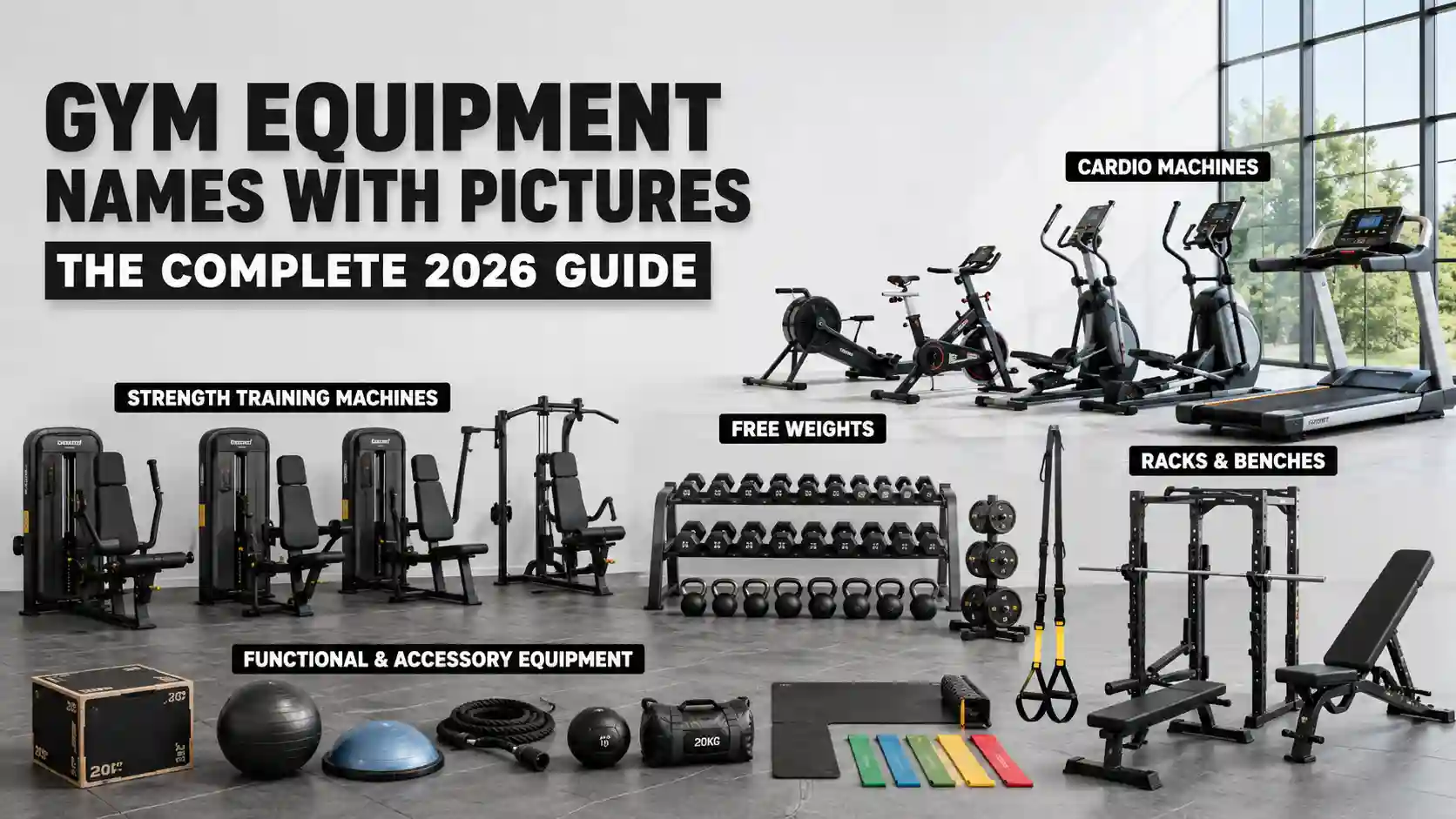
This guide fixes that. Below you’ll find gym equipment names with pictures for every major machine and tool you’ll encounter, organized by category so you can actually find what you’re looking for. Each entry shows what the equipment looks like, which muscles it targets, and how to use it safely. complete list of gym equipment names
Quick answer: gym equipment falls into four main groups – cardio machines, strength machines, free weights, and functional/accessory equipment – each covered in detail below with photos and beginner-friendly explanations.
By the end, you’ll be able to walk onto any gym floor and know exactly what you’re looking at.
What Counts as Gym Equipment?
Gym equipment falls into four broad categories, and knowing them makes the whole gym floor easier to navigate.
Cardio machines get your heart rate up and build endurance – think treadmills, ellipticals, and rowing machines. Strength machines guide you through a fixed range of motion using weight stacks or pulleys, making them ideal for beginners who want to build muscle safely. Free weights – dumbbells, barbells, kettlebells – require you to control the movement yourself, which builds stabilizer muscles and functional strength. Functional and accessory equipment rounds things out: resistance bands, battle ropes, pull-up bars, and other tools that don’t fit neatly into the first three groups but show up in nearly every workout routine.
Most commercial gyms arrange their floor around these categories, too. Cardio machines usually sit near the entrance or windows, strength machines line the walls or fill a dedicated room, and free weights cluster around a rack or bench area.
Understanding this structure before you start browsing individual machines makes the rest of this guide – and your next gym visit – much easier to follow.
Cardio Machines
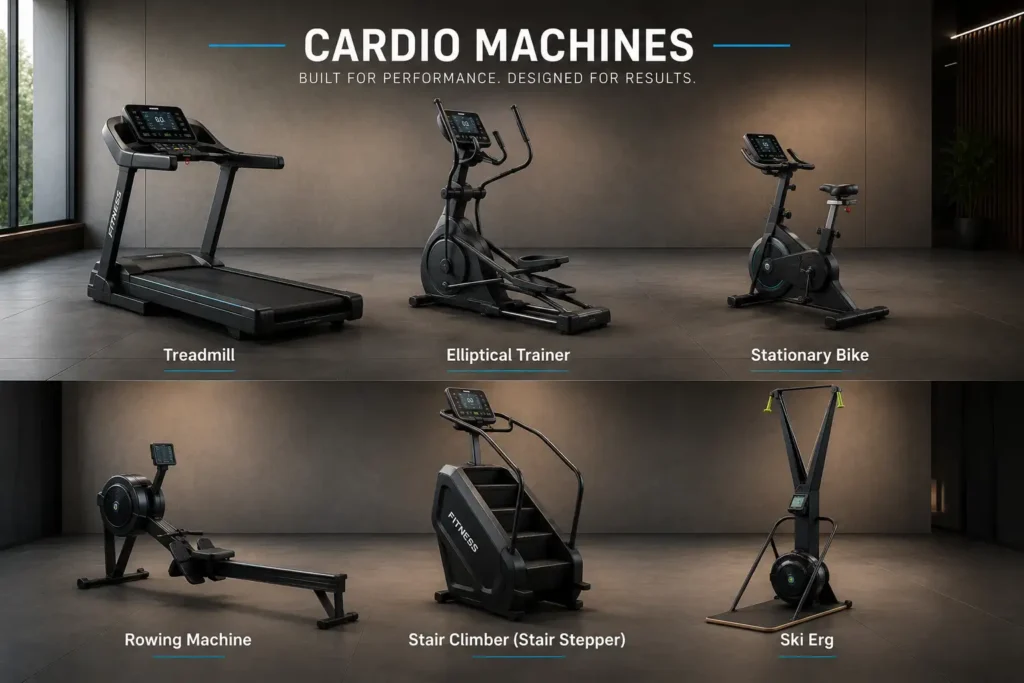
Cardio equipment builds heart health, burns calories, and improves endurance. Here are the six you’ll see in almost every gym.
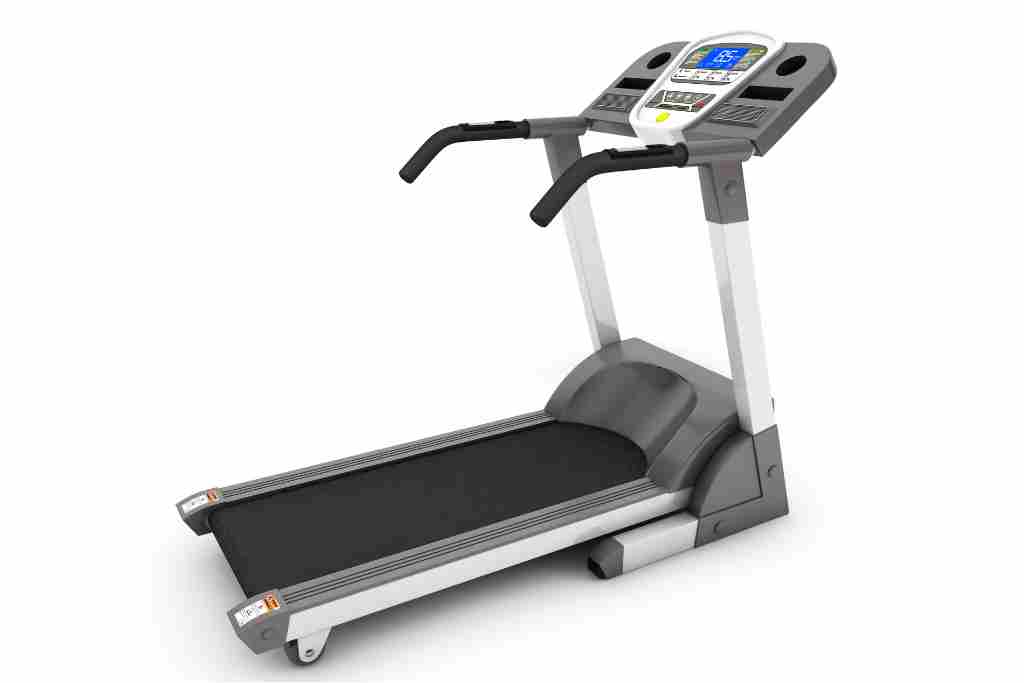
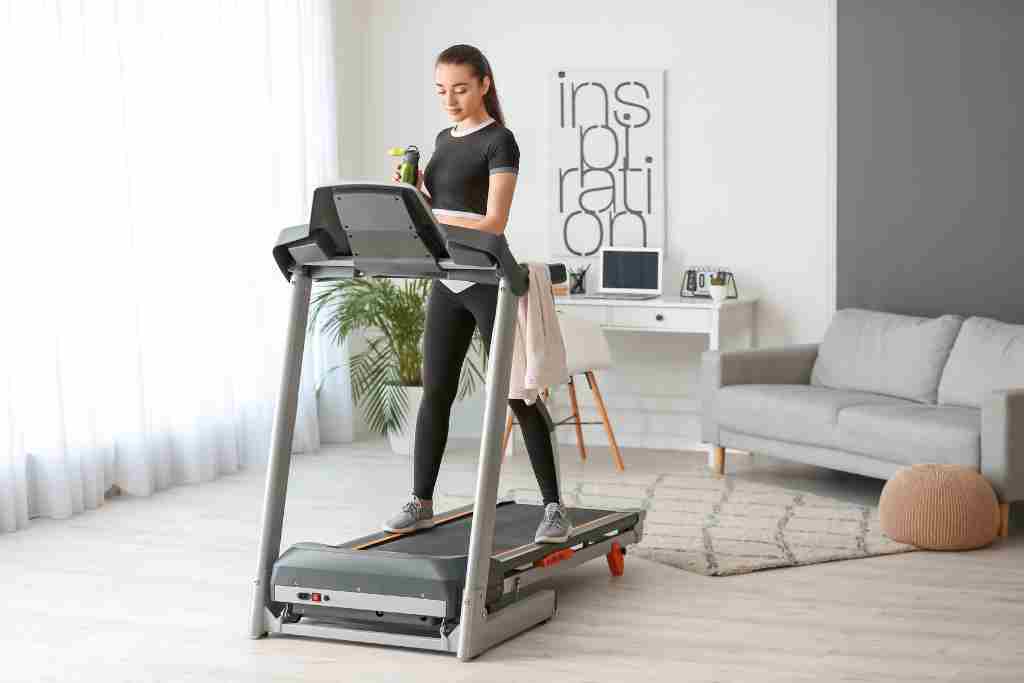
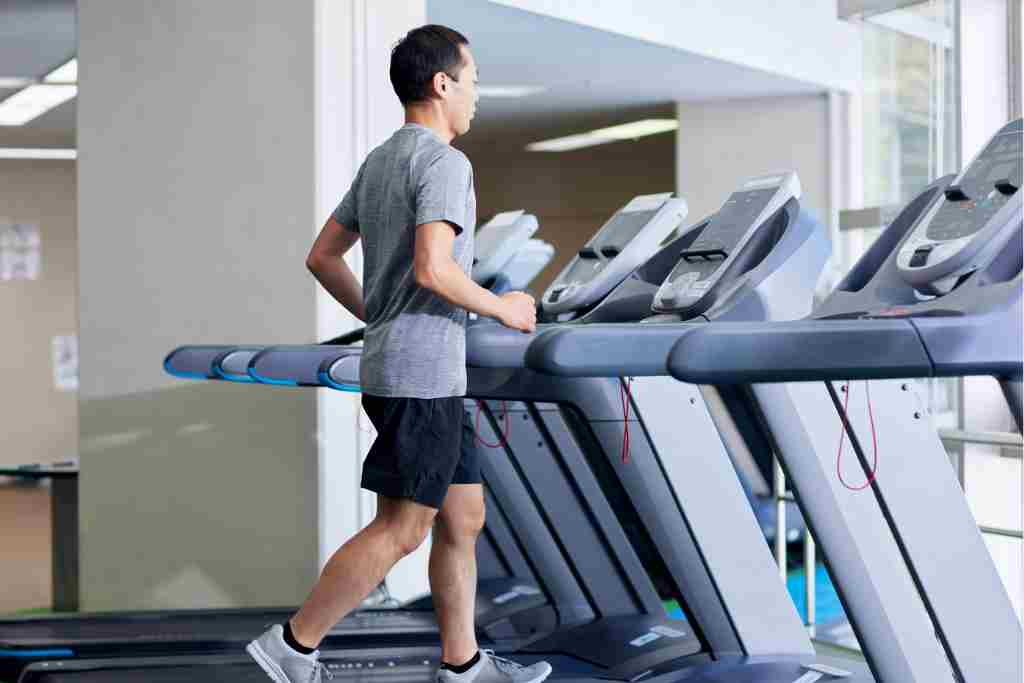
Treadmill
The treadmill is the most recognizable machine in any gym – a moving belt for walking, jogging, or running indoors.
- Adjustable speed and incline
- Great for beginners: start at a walking pace and build up
- Works legs, glutes, and core with minimal learning curve
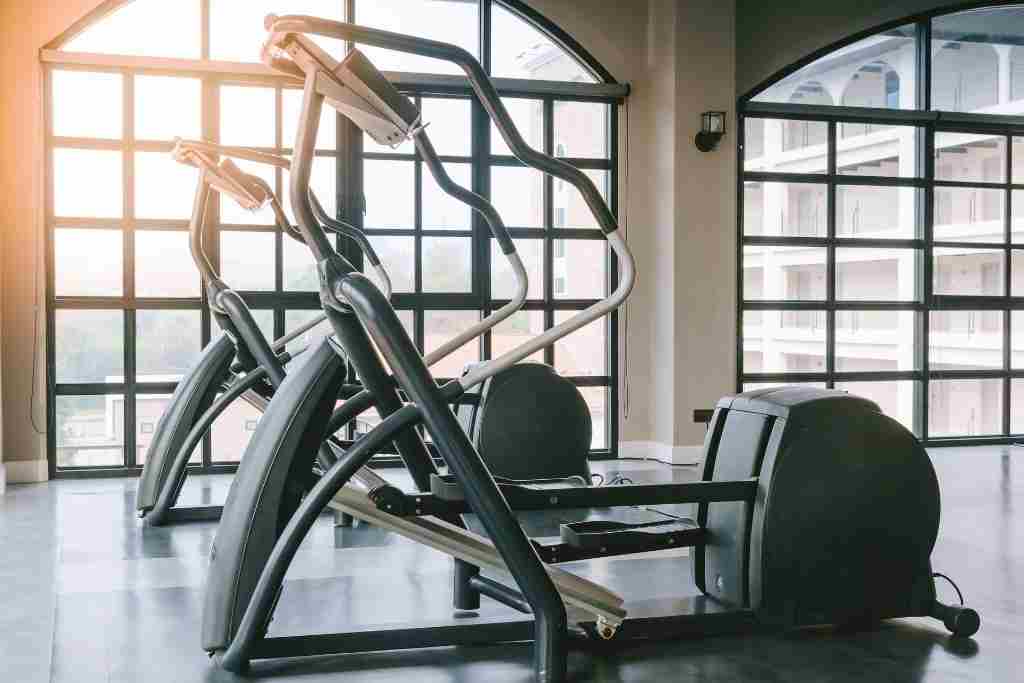
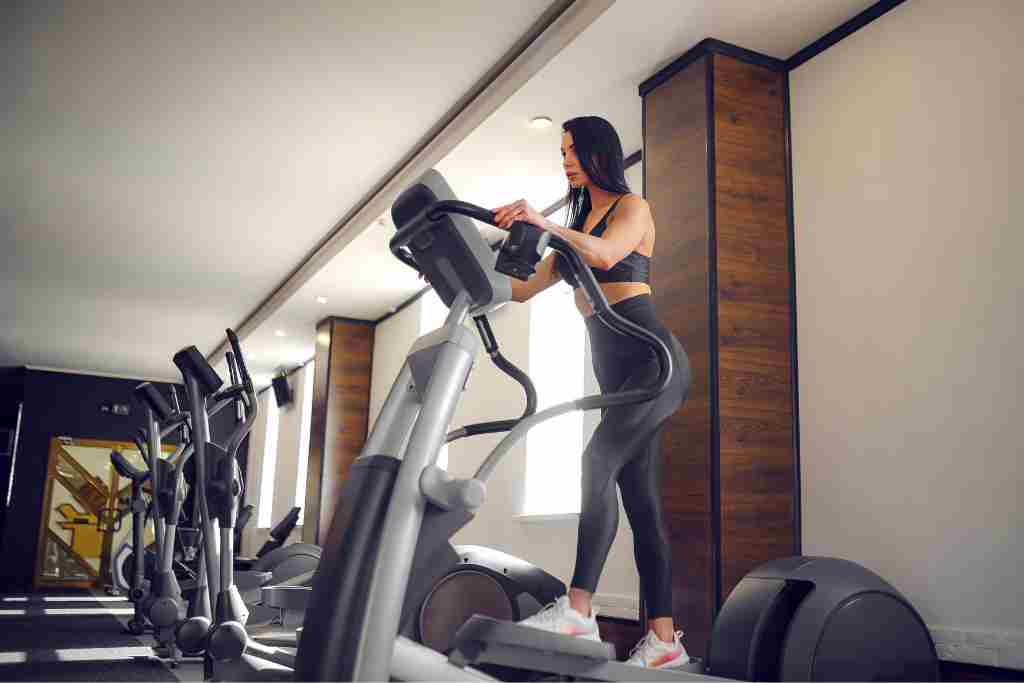
Elliptical Trainer
The elliptical mimics running without the joint impact, using foot pedals and moving handles for a full-body cardio motion.
- Low-impact – easy on knees and hips
- Engages arms, legs, and core simultaneously
- Ideal for beginners recovering from injury or new to cardio
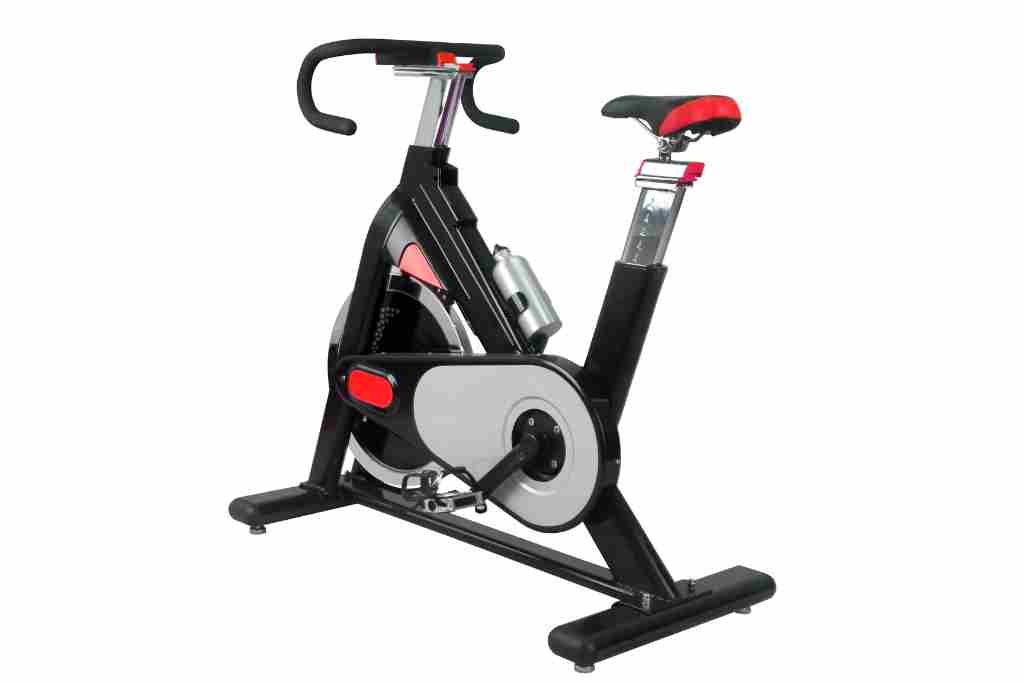
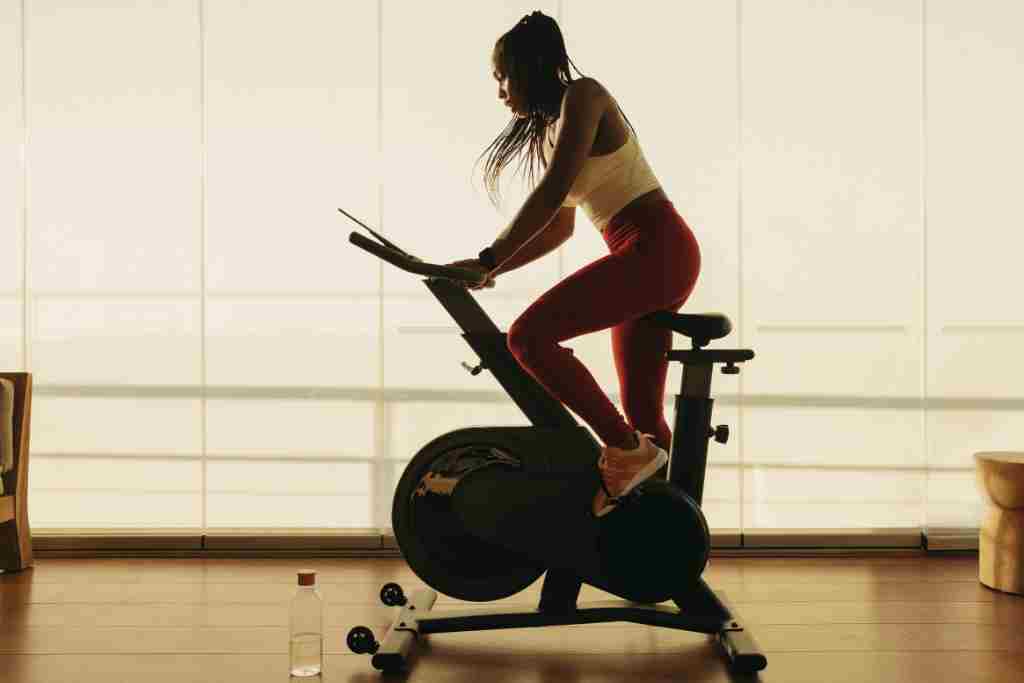
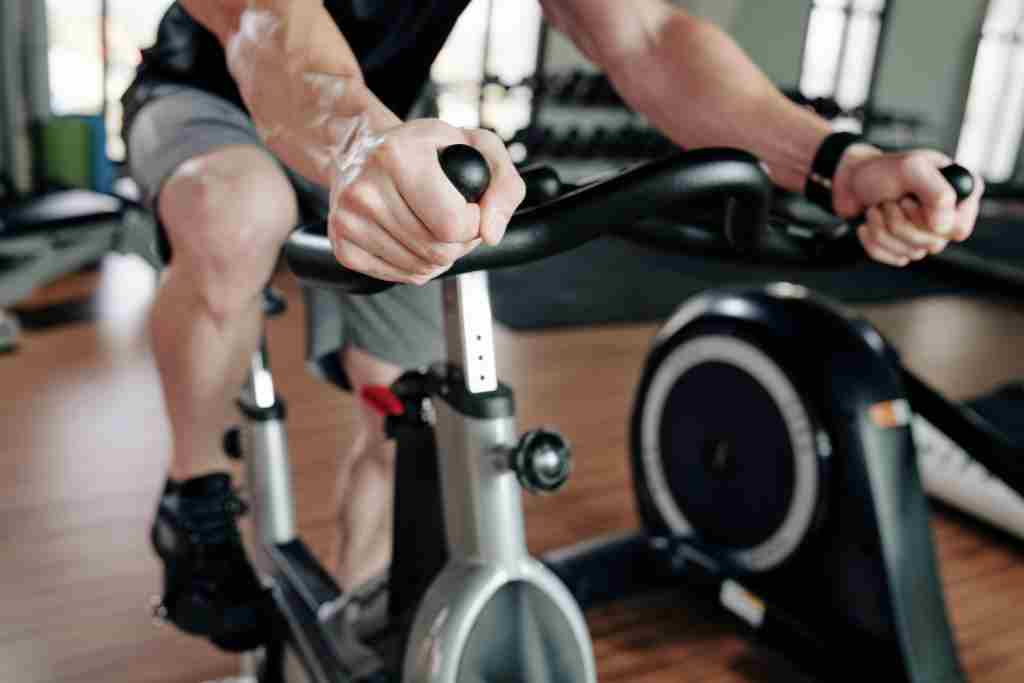
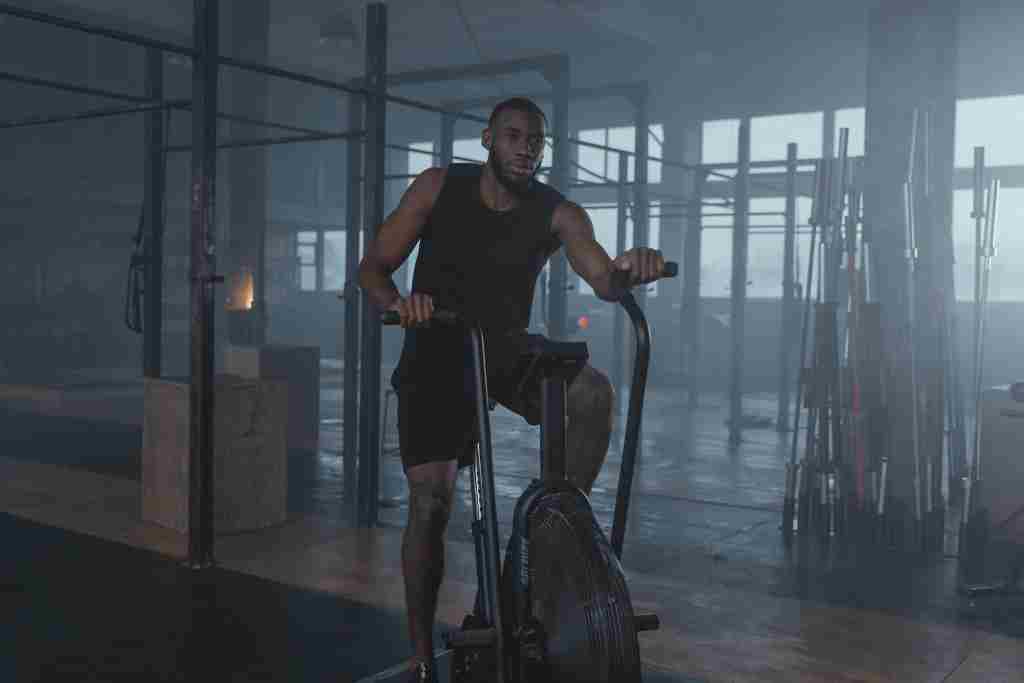
Stationary Bike
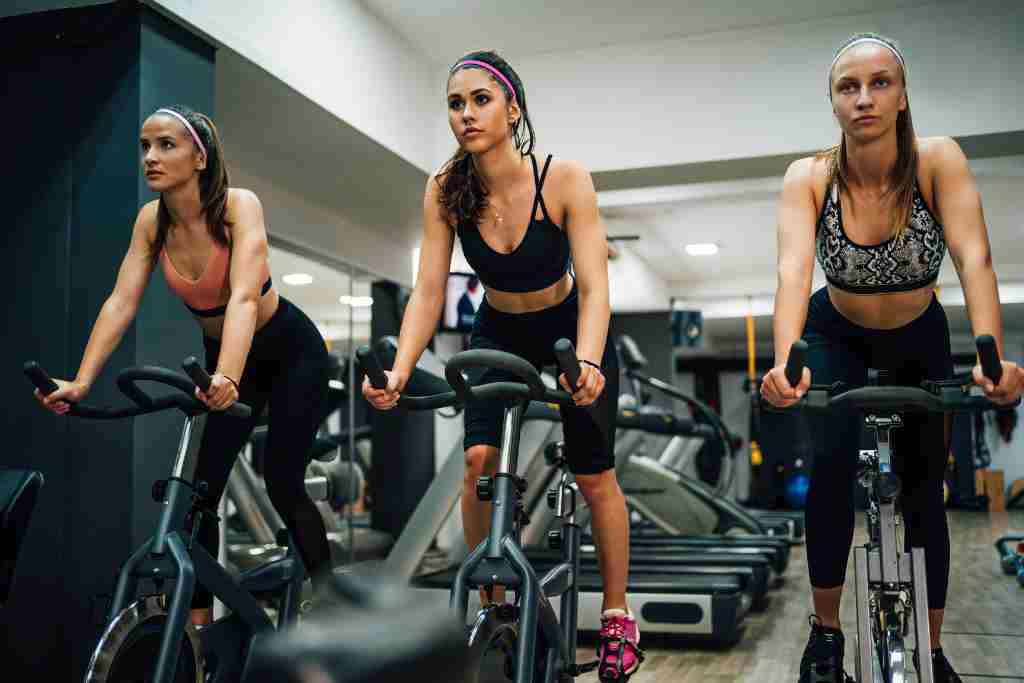
Stationary bikes come in upright and recumbent styles, both delivering lower-body cardio without impact on the joints.
- Upright bikes mimic road cycling posture
- Recumbent bikes offer back support, good for beginners or those with back issues
- Targets quads, hamstrings, and calves
Rowing Machine
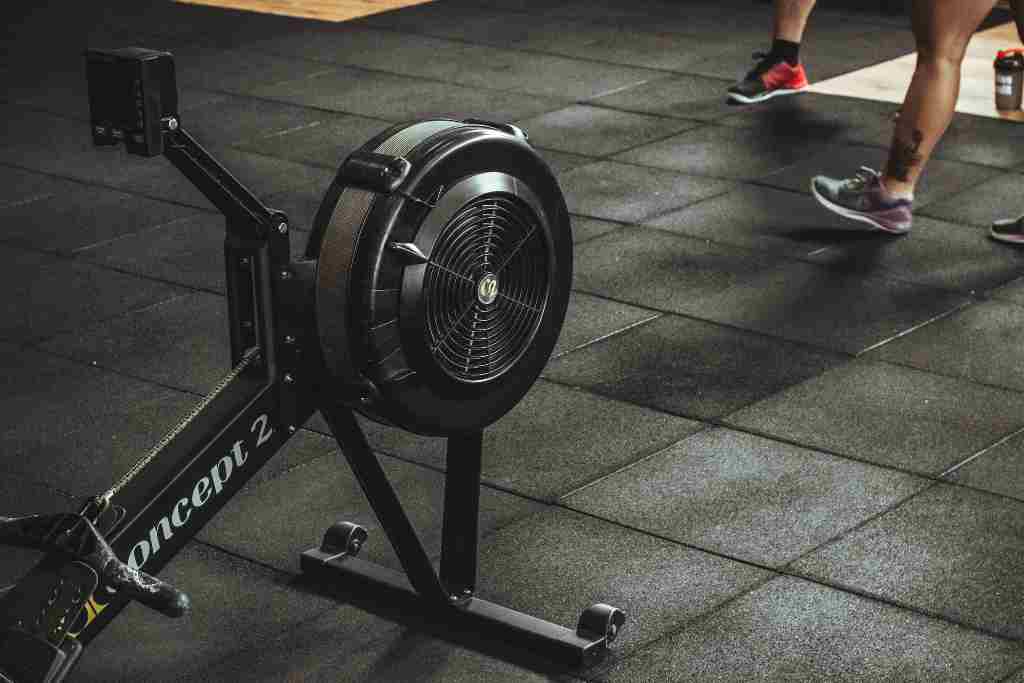
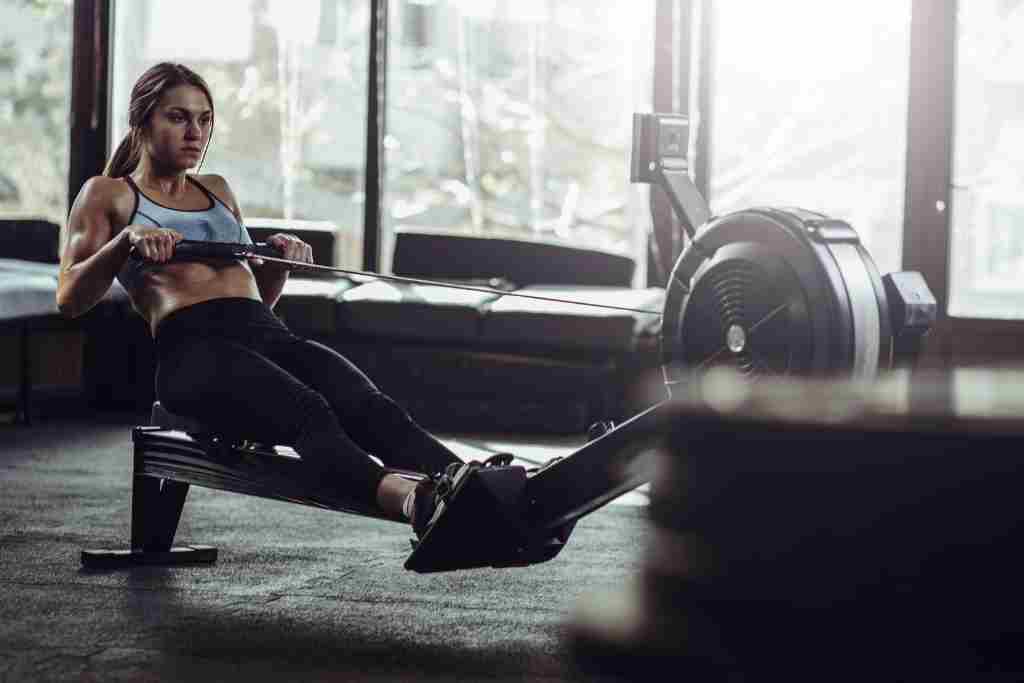
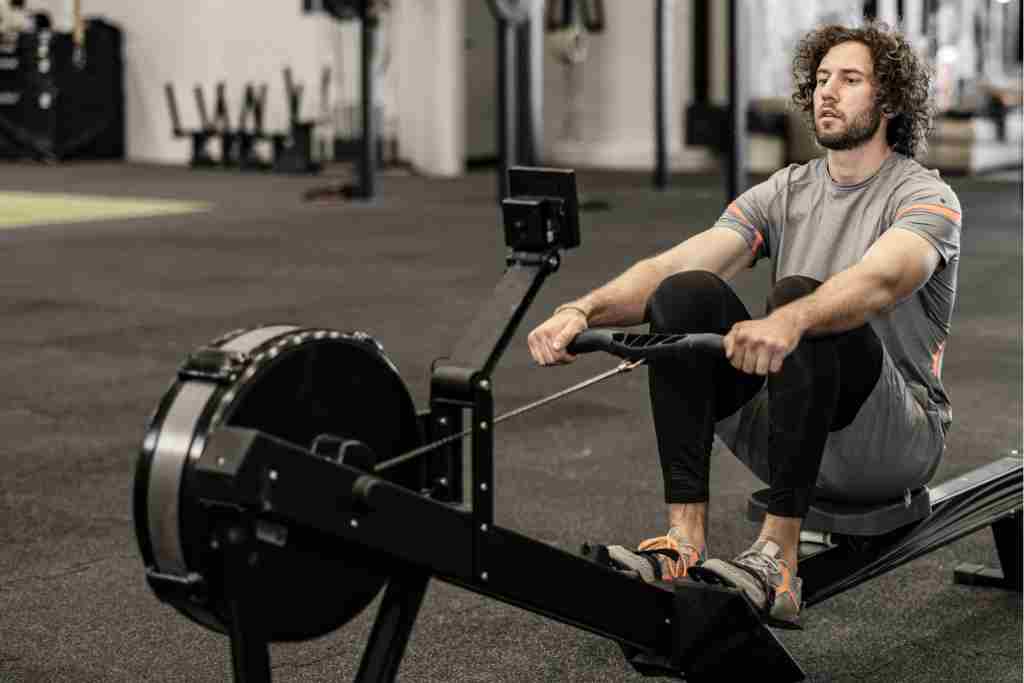
The rowing machine (or “erg”) simulates the motion of rowing a boat, combining a sliding seat with a pull handle attached to resistance.
- One of the few machines that works legs, back, arms, and core in a single motion
- Excellent calorie burn for the effort involved
- Focus on leg drive first, then lean back, then pull with arms
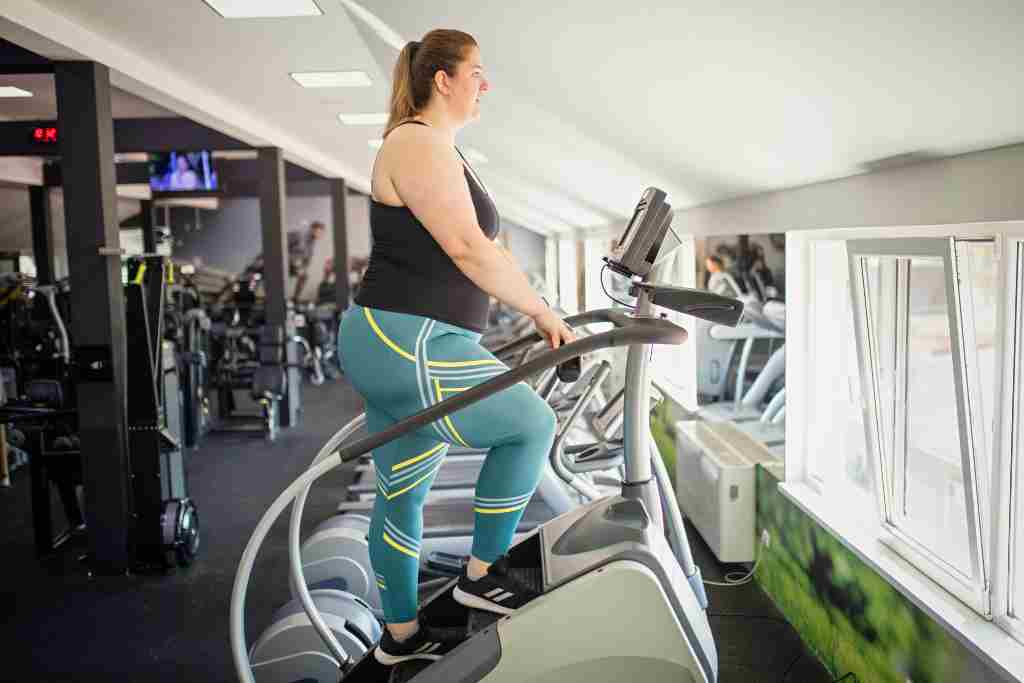
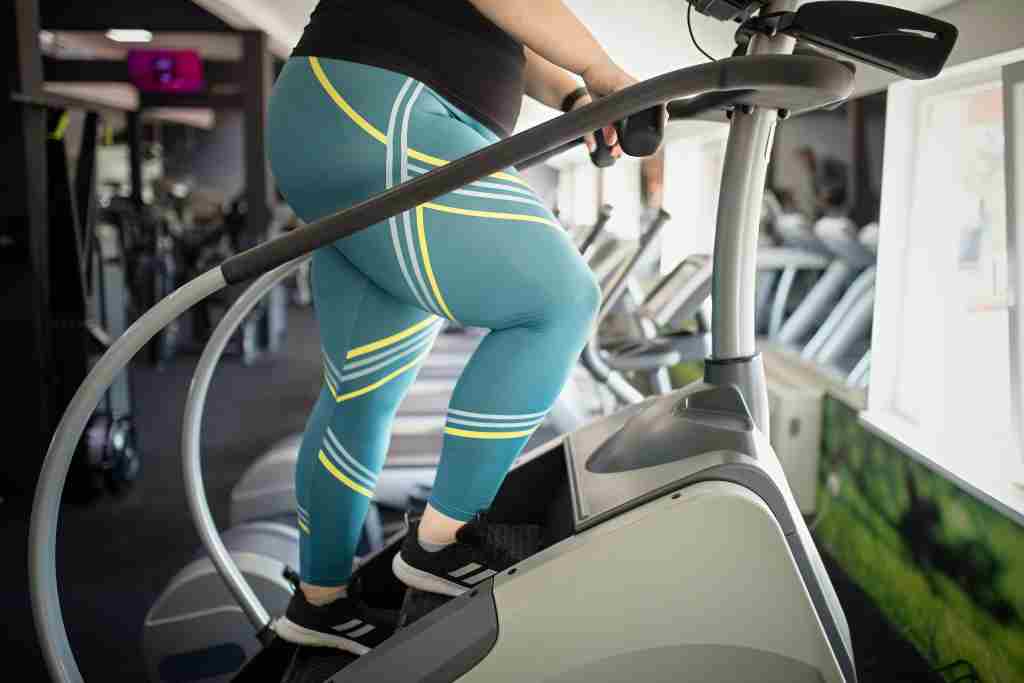
Stair Climber (Stair Stepper)
This machine mimics climbing an endless staircase, delivering an intense lower-body workout in a compact footprint.
- Builds aerobic capacity and muscular endurance
- Targets glutes, quads, and calves heavily
- Tip for beginners: hold the rails lightly for balance, not support – let your legs do the work
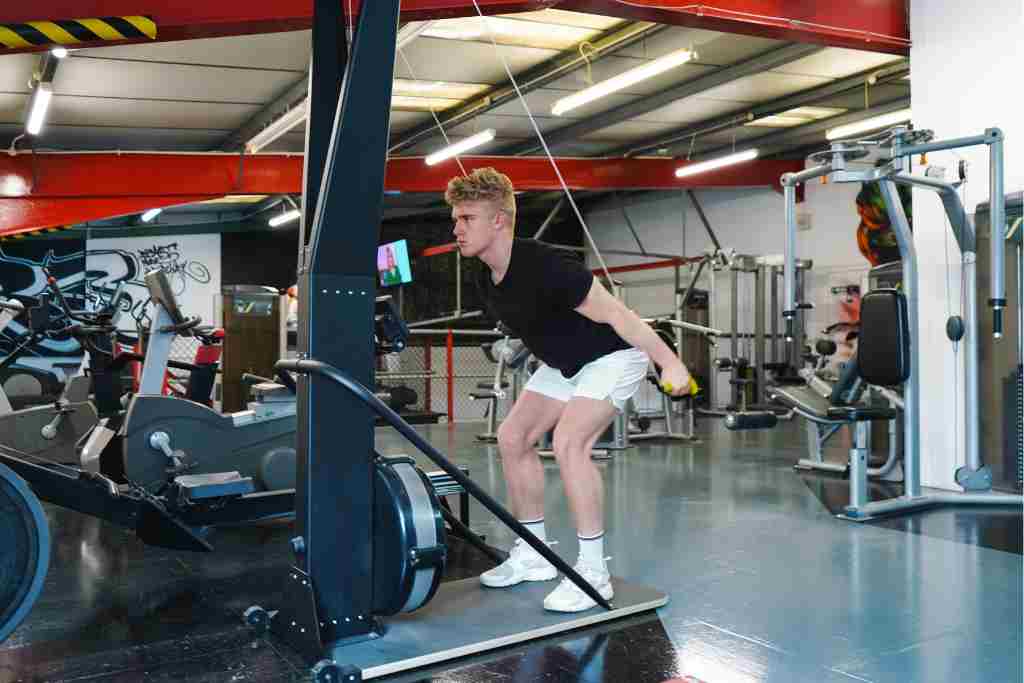
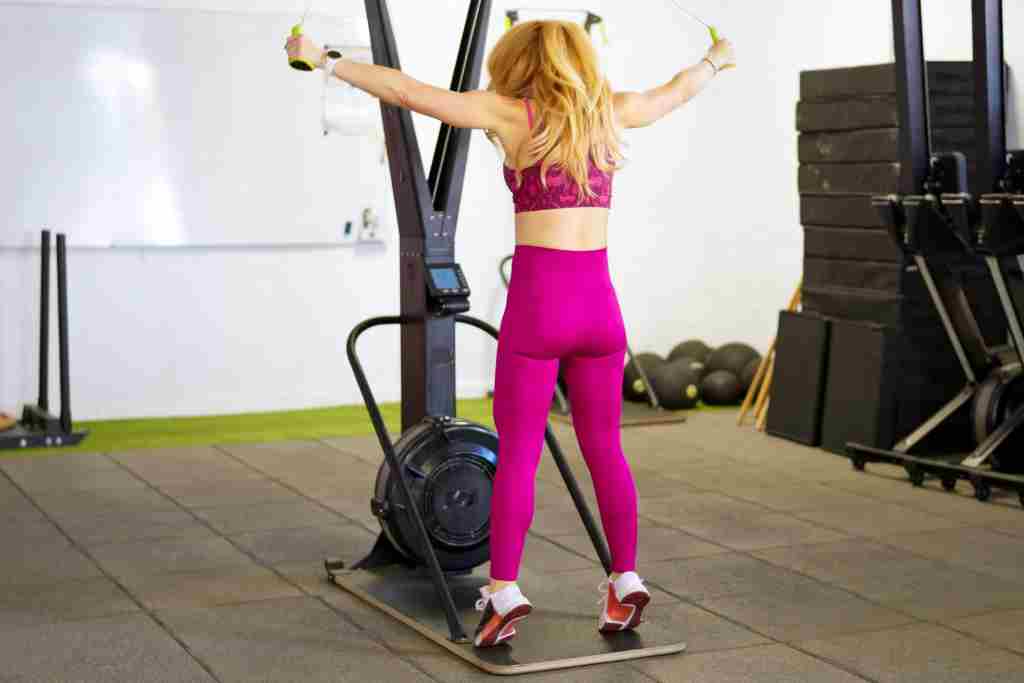
Ski Erg
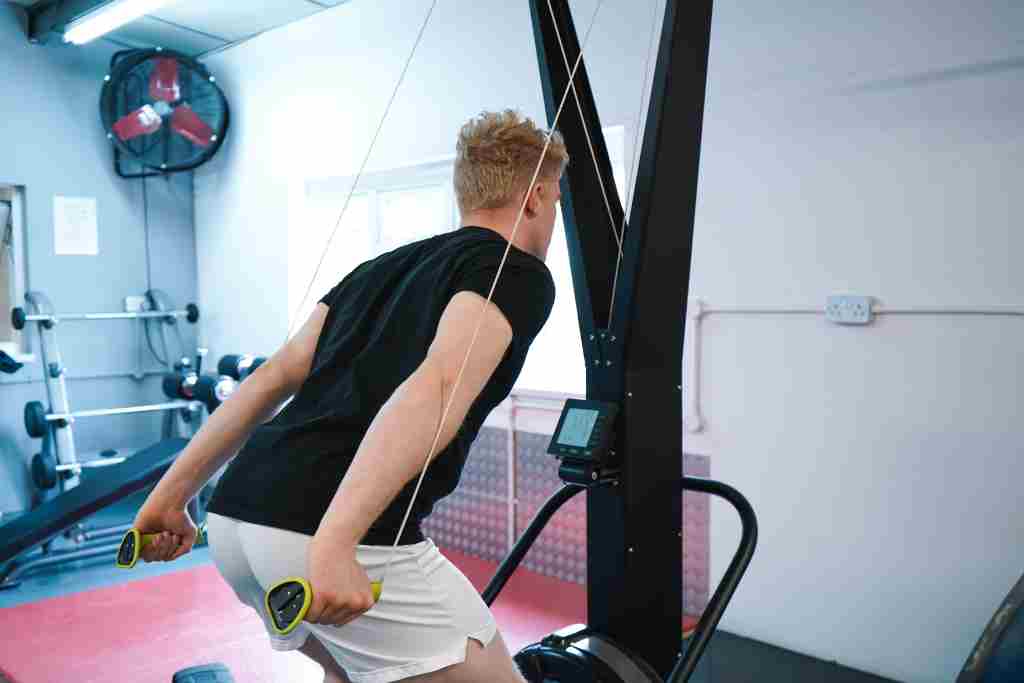
Mounted vertically, the ski erg replicates the pulling motion of cross-country skiing using two handles attached to overhead cables.
- Works core, shoulders, lats, and triceps primarily
- Legs contribute less than in rowing, so it’s more upper-body focused
- A favorite in CrossFit-style gyms for high-intensity intervals
Strength Training Machines
Strength machines guide your body through a fixed motion path, making them a safe starting point for building muscle before moving to free weights.
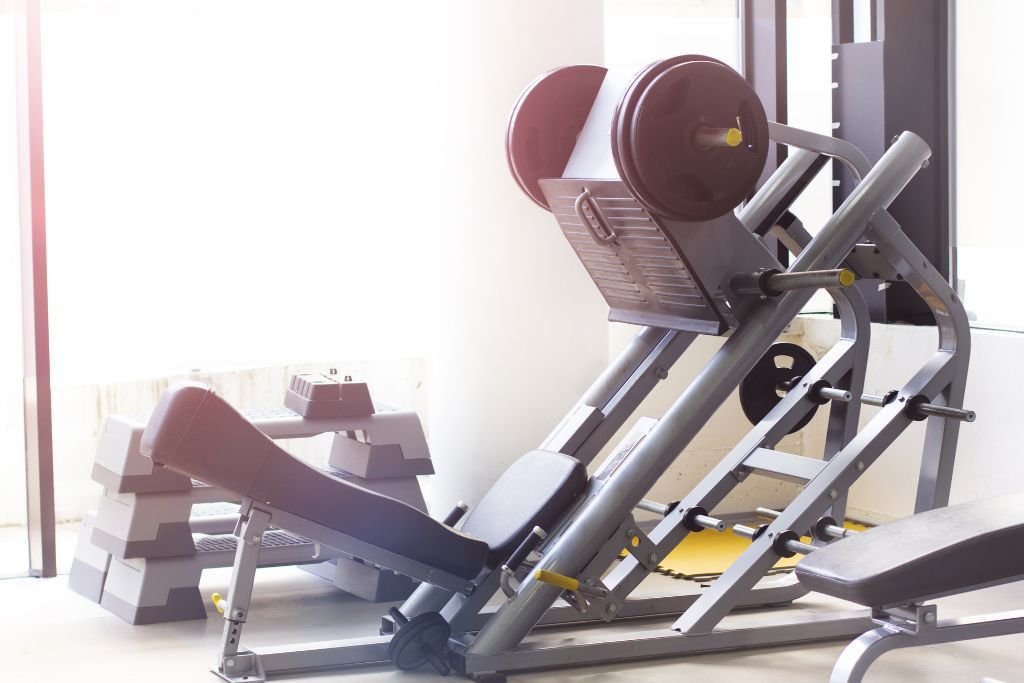
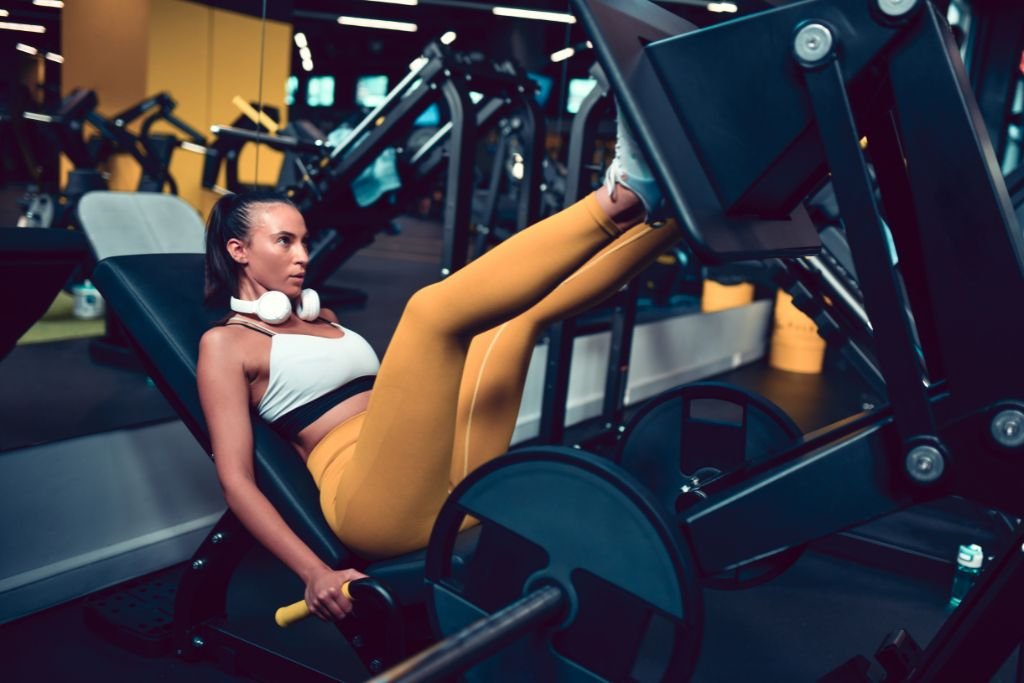
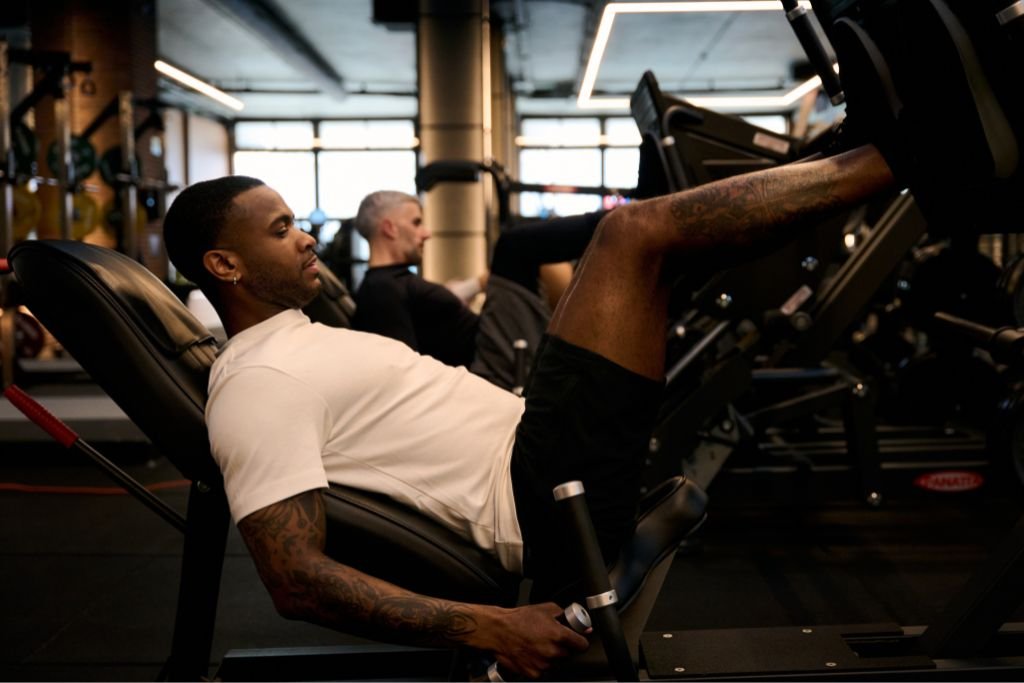
Leg Press Machine
You sit at an angle and push a weighted platform away with your feet, targeting the lower body without the balance demands of squatting.
- Trains quads, hamstrings, and glutes
- Safer alternative to barbell squats for beginners
- Adjust the seat so knees form roughly a 90-degree angle at the bottom of the movement
Lat Pulldown Machine
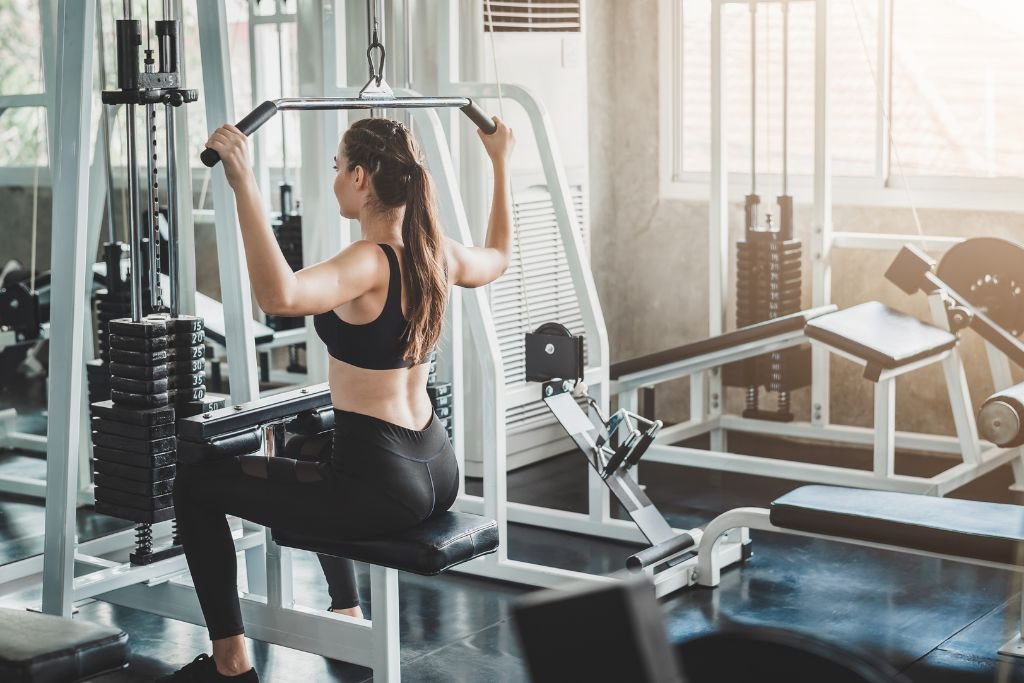
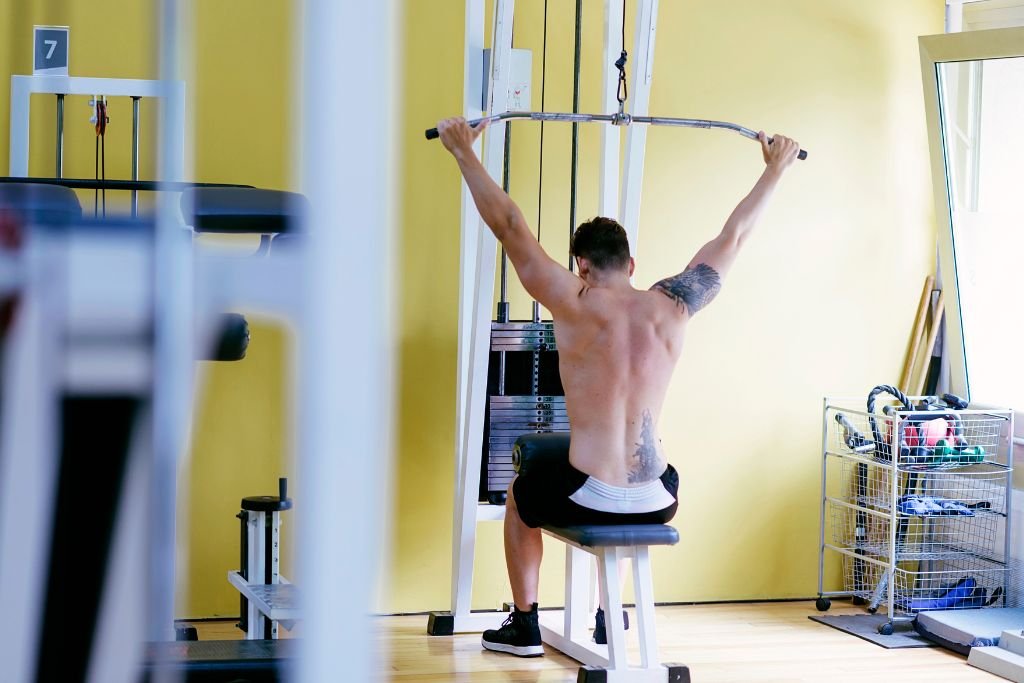
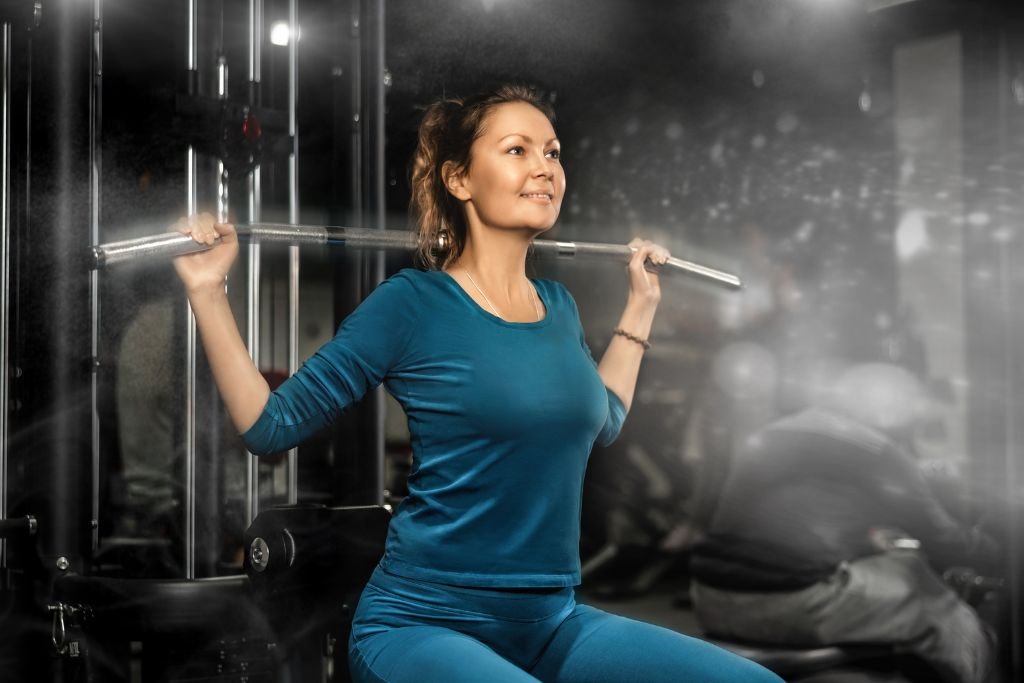
Sitting with knees secured under a pad, you pull a bar down toward your chest, training the same muscles as a pull-up.
- Primarily builds the lats, with support from biceps and rear shoulders
- A great entry point before attempting bodyweight pull-ups
- Pull with your elbows, not just your hands, to properly engage the back
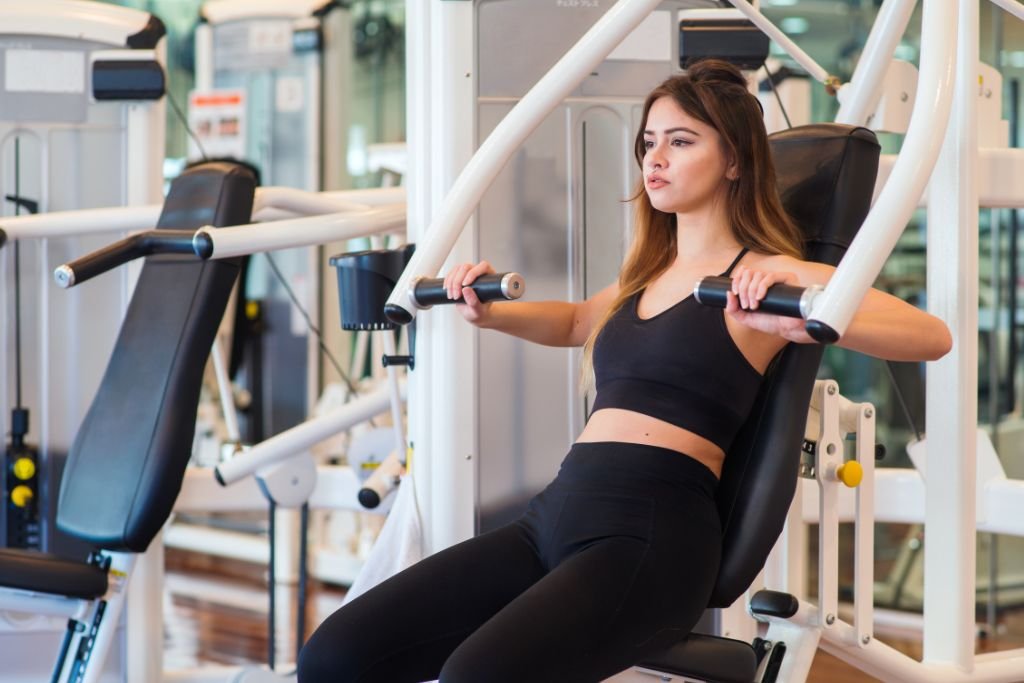
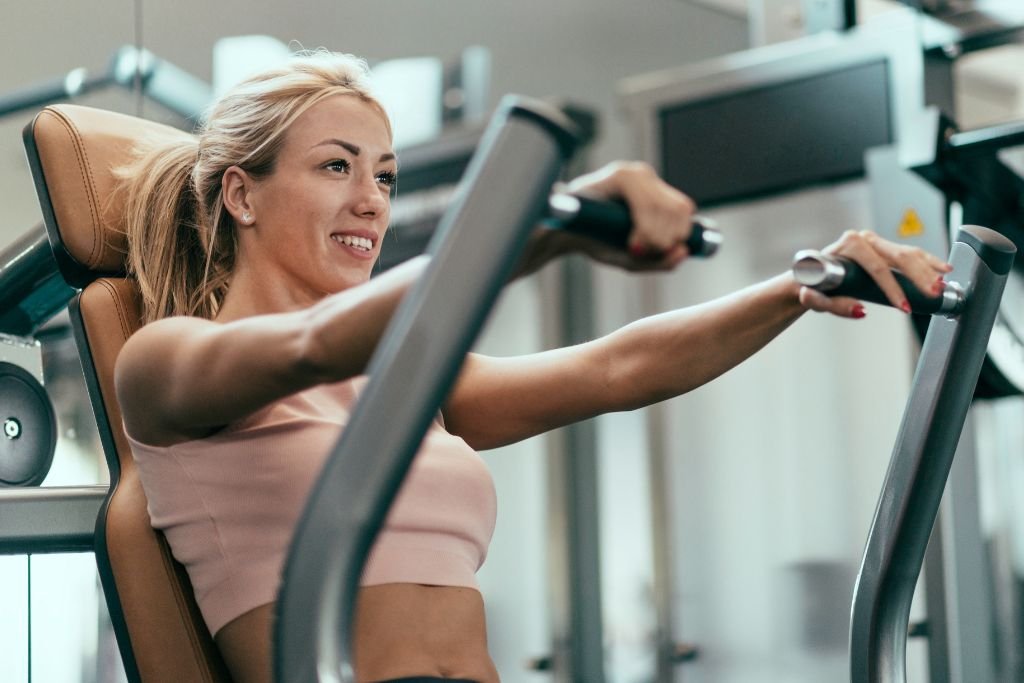
Chest Press Machine
This seated machine replicates a bench press motion, pushing handles forward at chest height along a guided track.
- Builds pecs, shoulders, and triceps
- Removes the balance and spotting concerns of a barbell bench press
- Popular first strength machine for gym newcomers
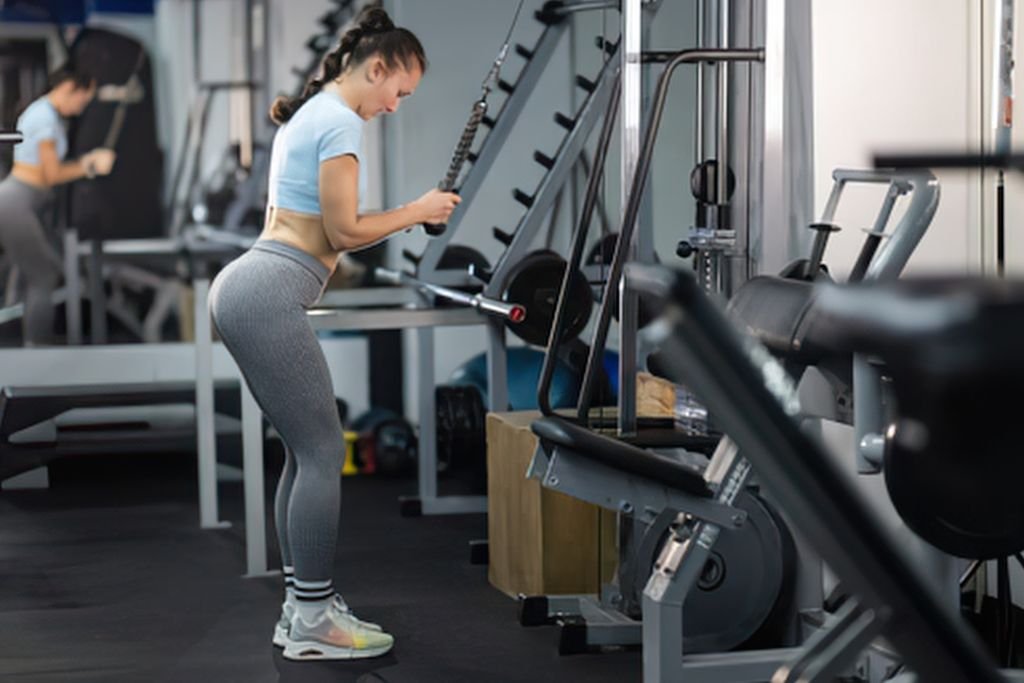
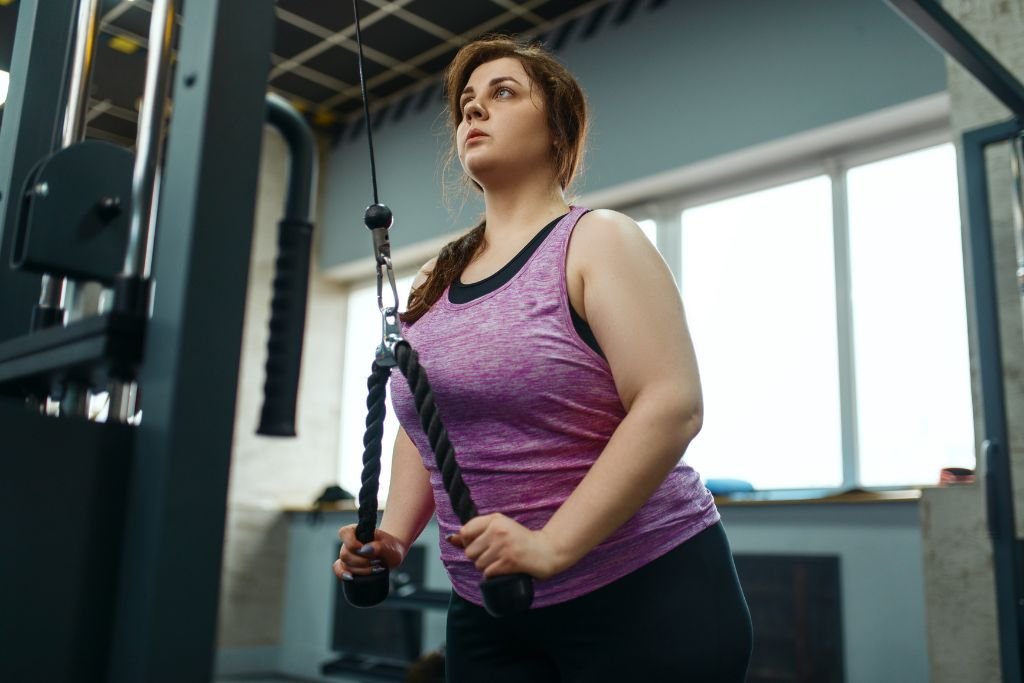
Cable Machine
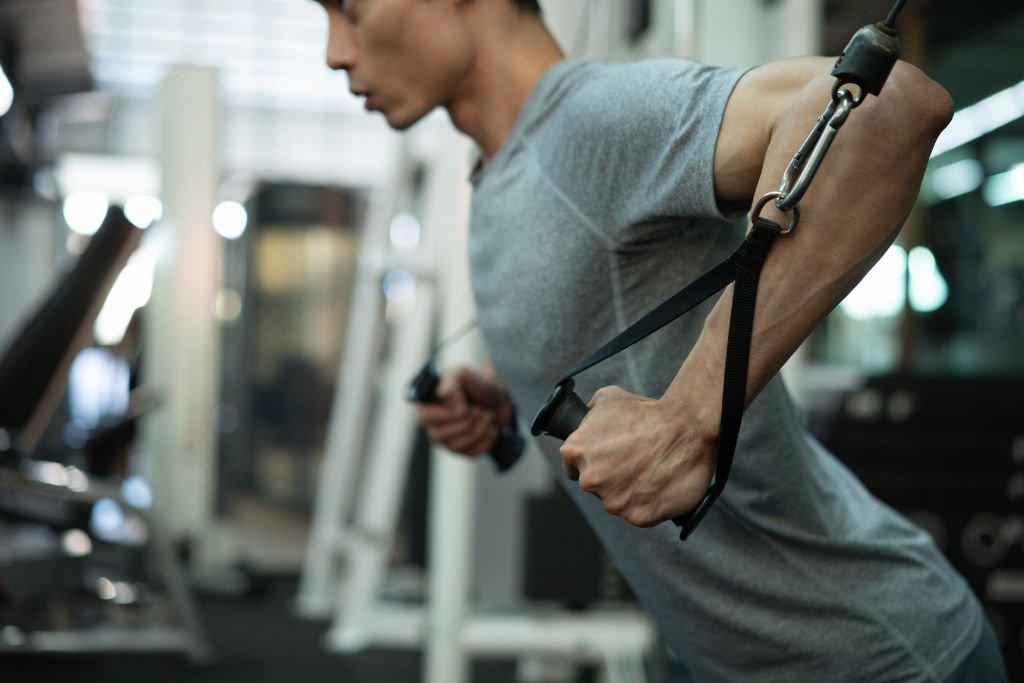
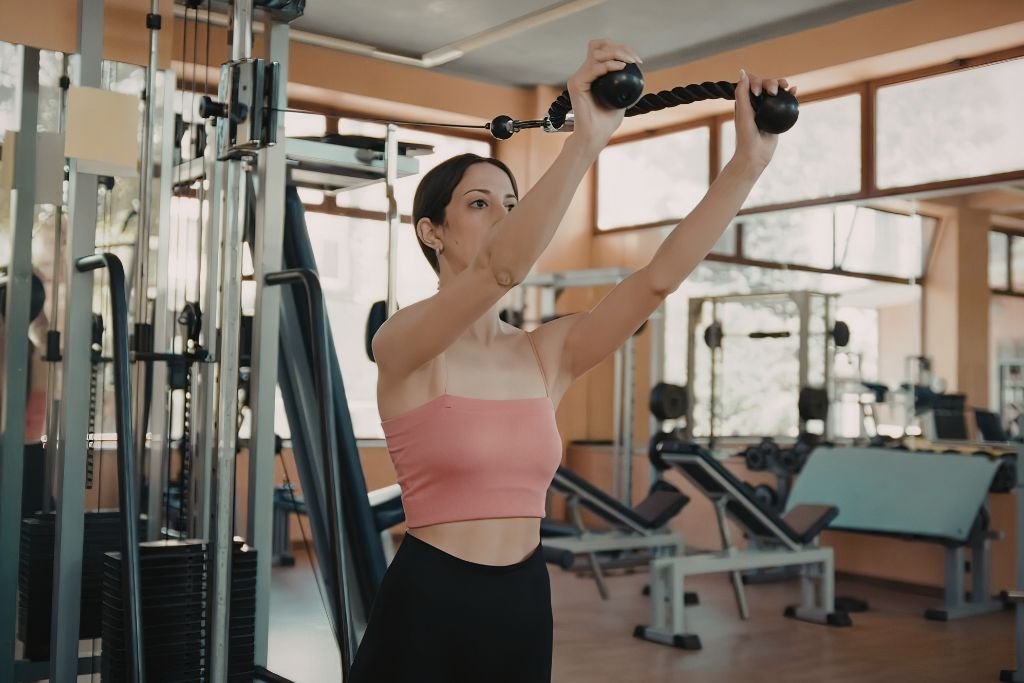
A cable machine uses adjustable pulleys and a weight stack, letting you attach different handles for dozens of exercises in one station.
- Extremely versatile – trains nearly every muscle group depending on attachment and angle
- Keeps constant tension on the muscle throughout the movement, unlike free weights
- Common uses: cable rows, tricep pushdowns, face pulls, cable crossovers
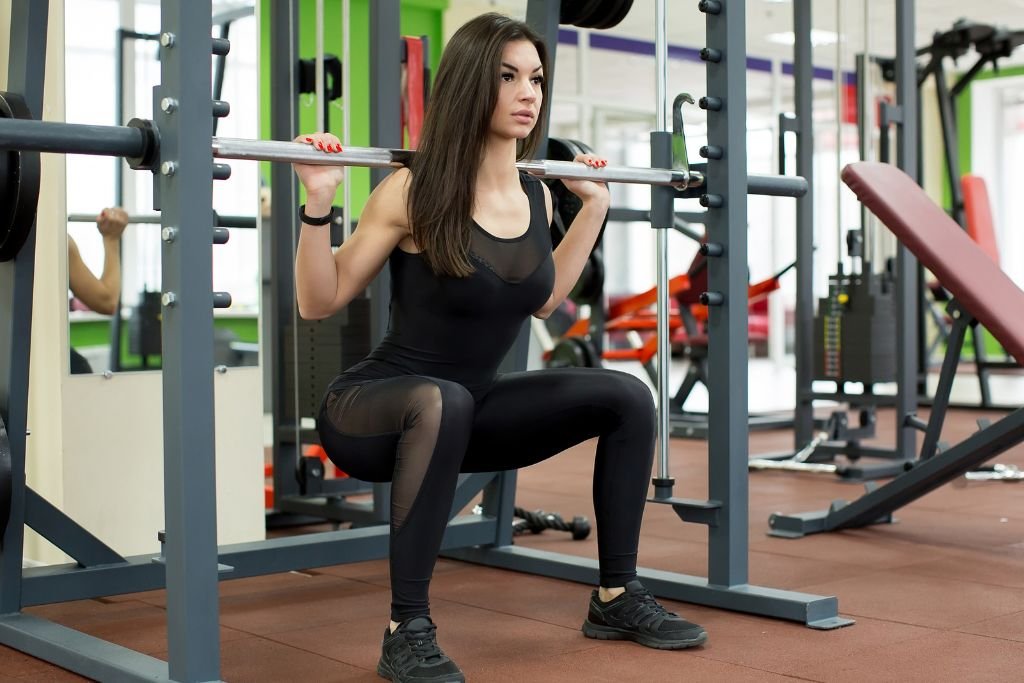
Smith Machine
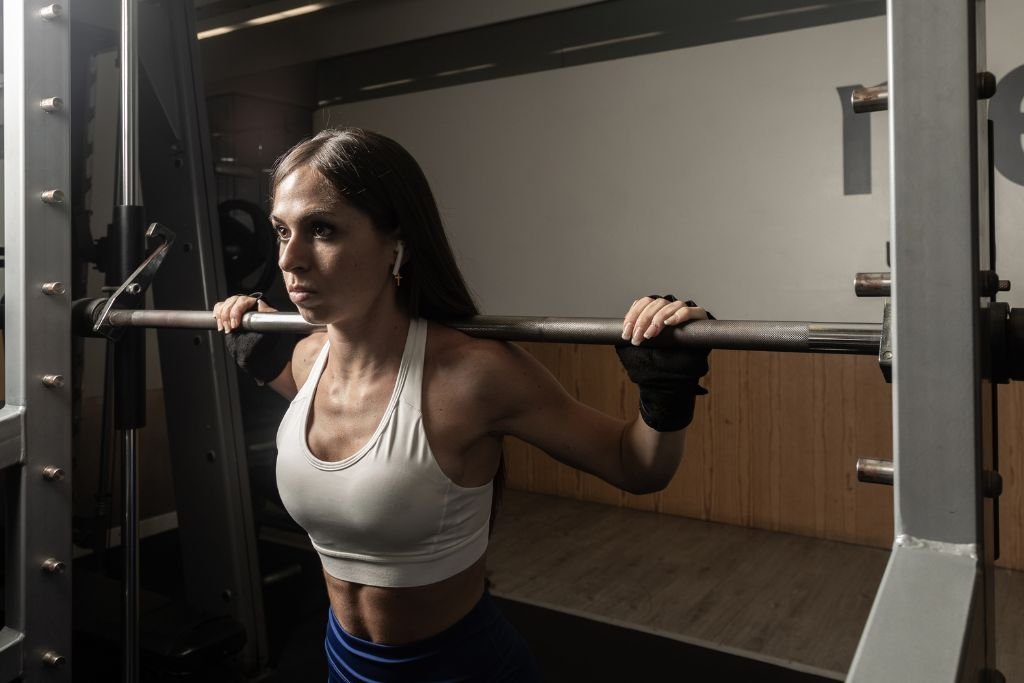
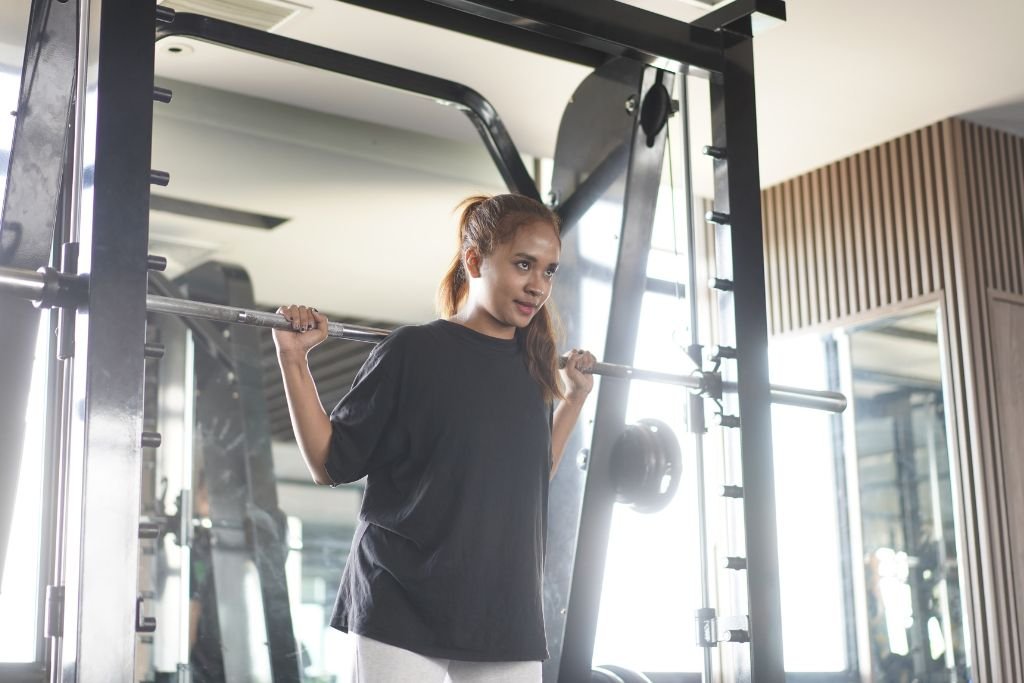
A barbell fixed within vertical rails, moving only up and down along a locked path – offering the feel of free-weight training with built-in safety catches.
- Useful for squats, bench presses, and shoulder presses without a spotter
- The fixed bar path means less stabilizer muscle engagement than a free barbell
- Good stepping stone between machines and true free weights
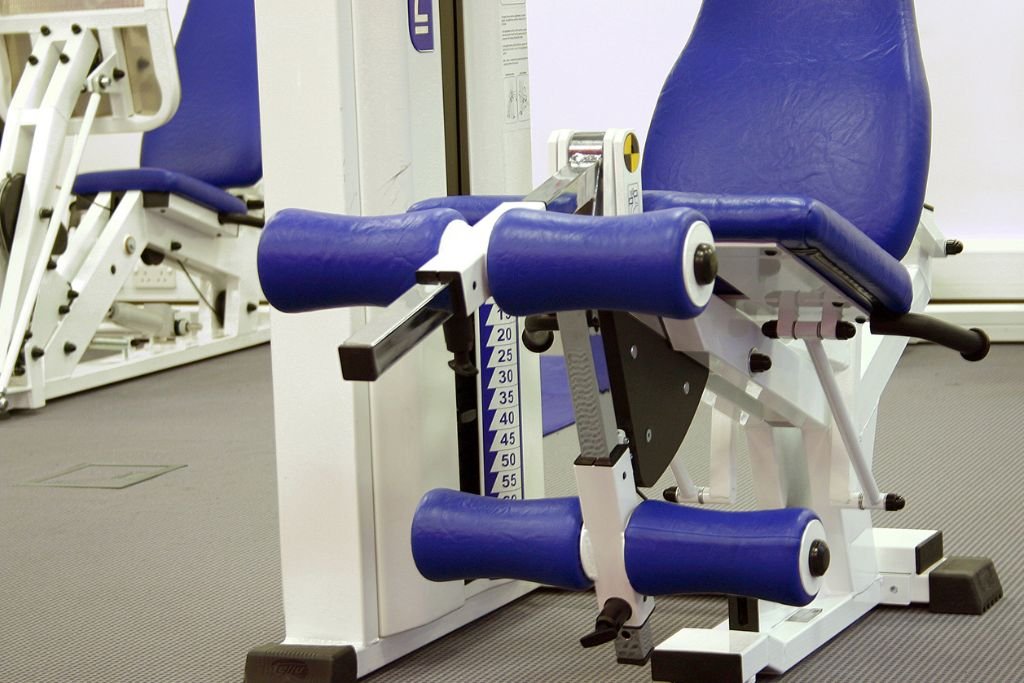
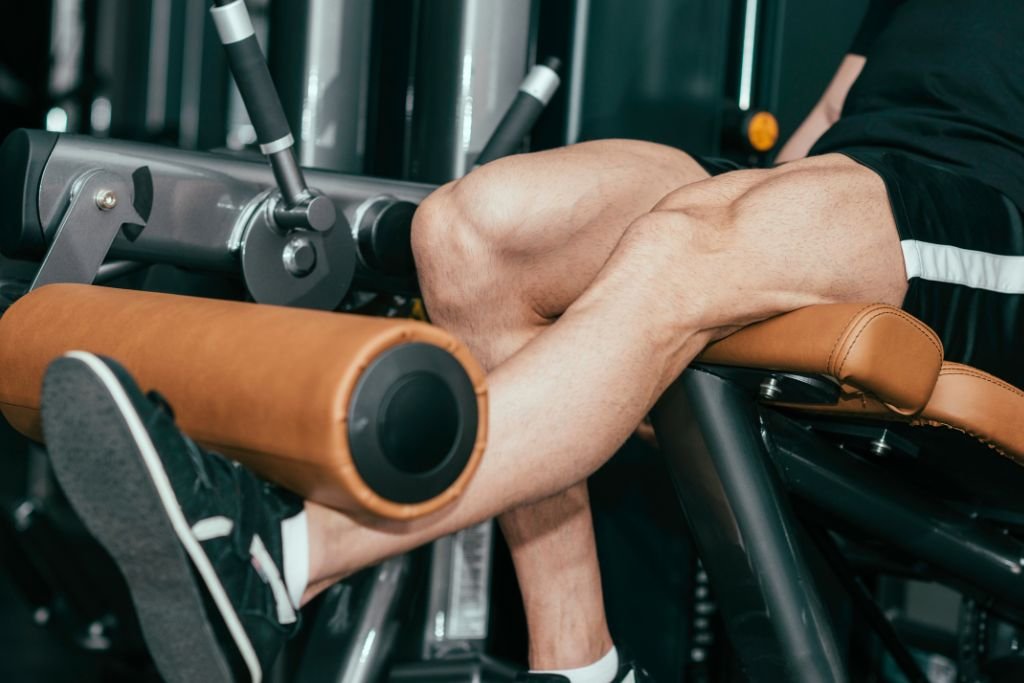
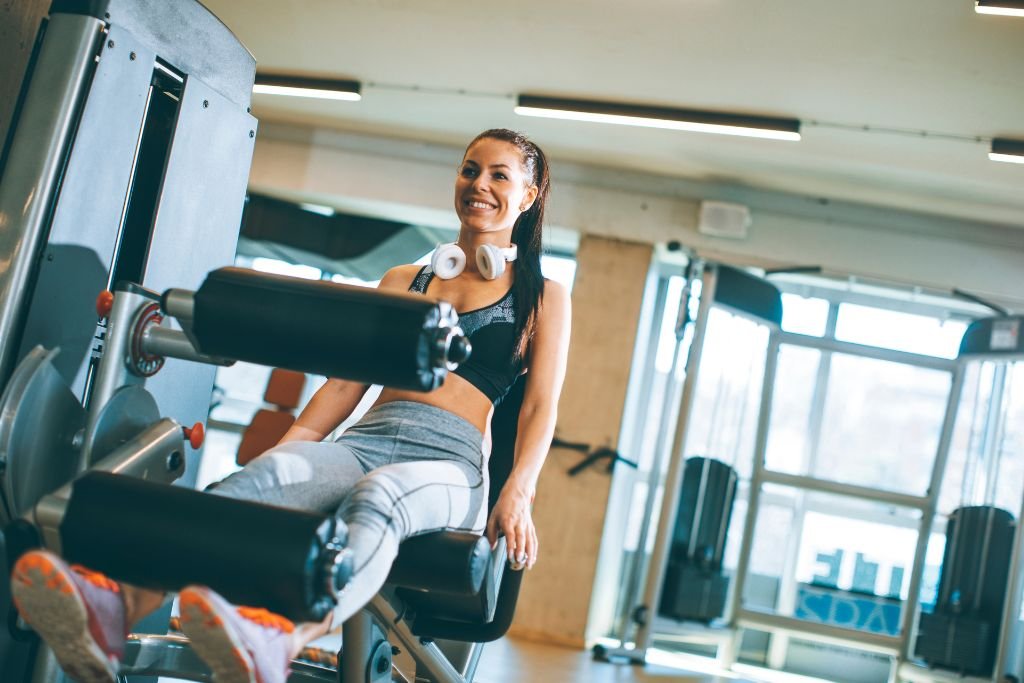
Leg Extension & Leg Curl Machines
Two related seated machines: the leg extension straightens your legs against resistance to isolate the quads, while the leg curl bends your knee to target the hamstrings.
- Leg extension: quadriceps isolation
- Leg curl: hamstring isolation
- Both are useful for correcting muscle imbalances between the front and back of the thigh
That covers the strength machine lineup. Next section: Free Weights (dumbbells, barbells, kettlebells, weight plates, medicine balls). Shall I continue?
Free Weights
Free weights require you to control balance and movement path yourself, which builds stabilizer muscles that machines often skip.
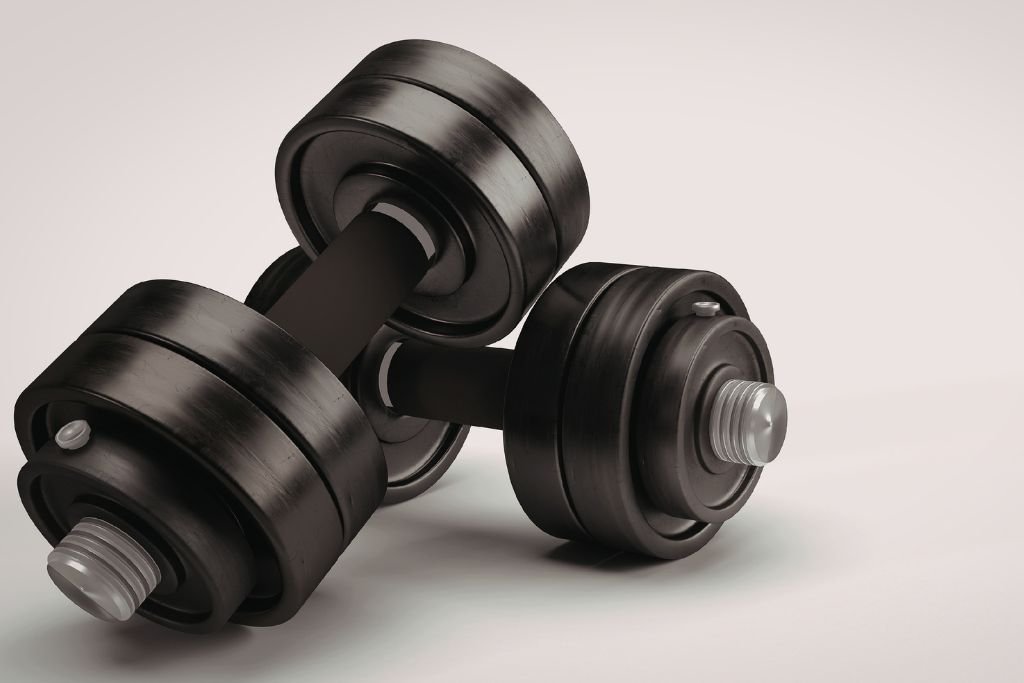
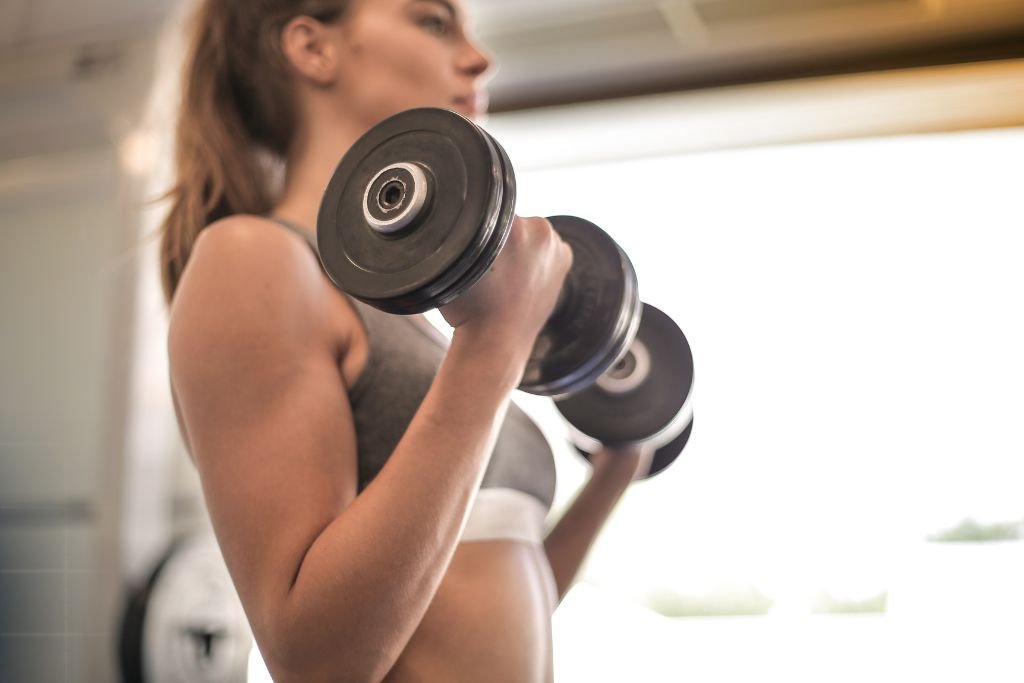
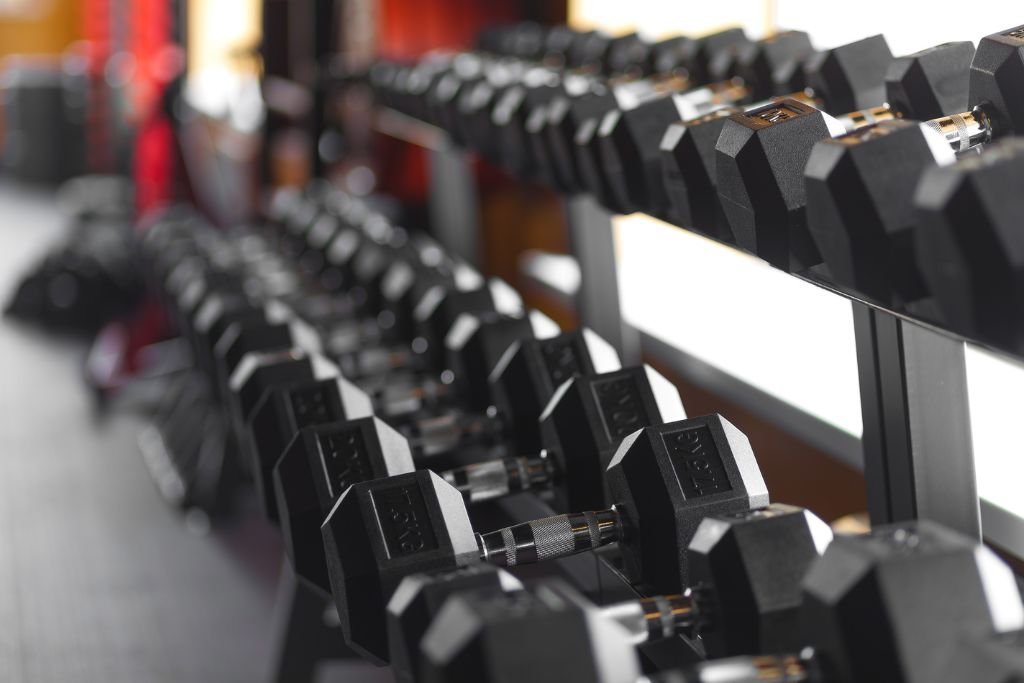
Dumbbells
Handheld weights used in pairs or individually, ranging from one pound up to well over a hundred.
- The most versatile piece of equipment in any gym – trains nearly every muscle group
- Available in fixed-weight or adjustable versions
- Ideal starting point: pick a weight you can lift for 10-12 controlled reps with good form
Barbells
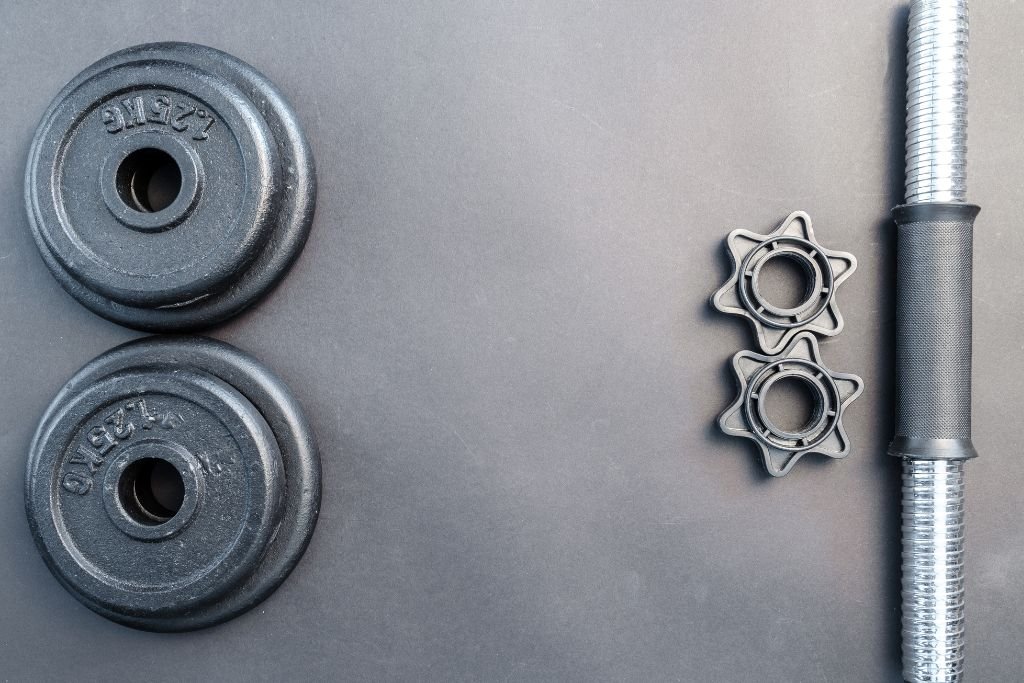
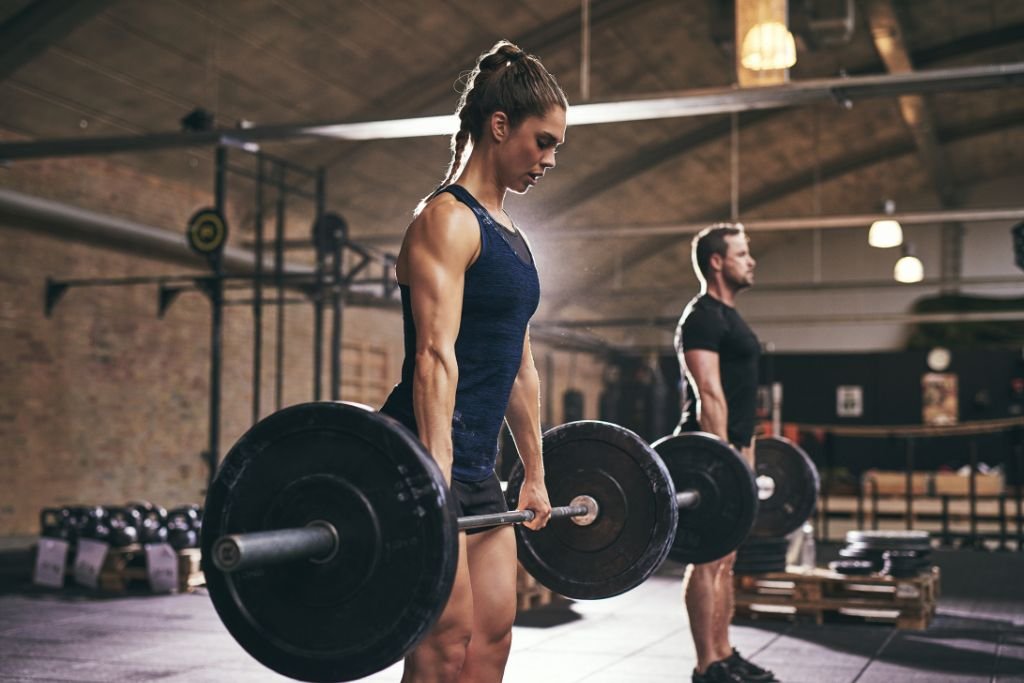
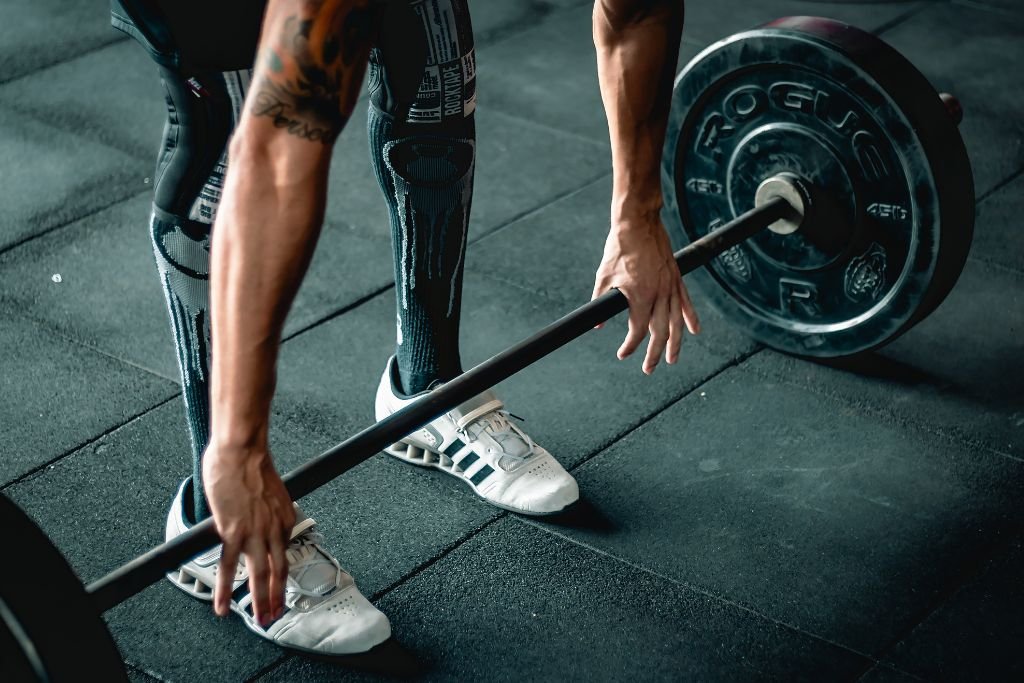
A long metal bar loaded with weight plates on each end, used for compound lifts like squats, deadlifts, and bench presses.
- Olympic bars typically weigh 45 lbs (20 kg) unloaded
- Allows the heaviest loading of any equipment type, making it central to serious strength training
- Best learned with lighter weight or an empty bar first to master form
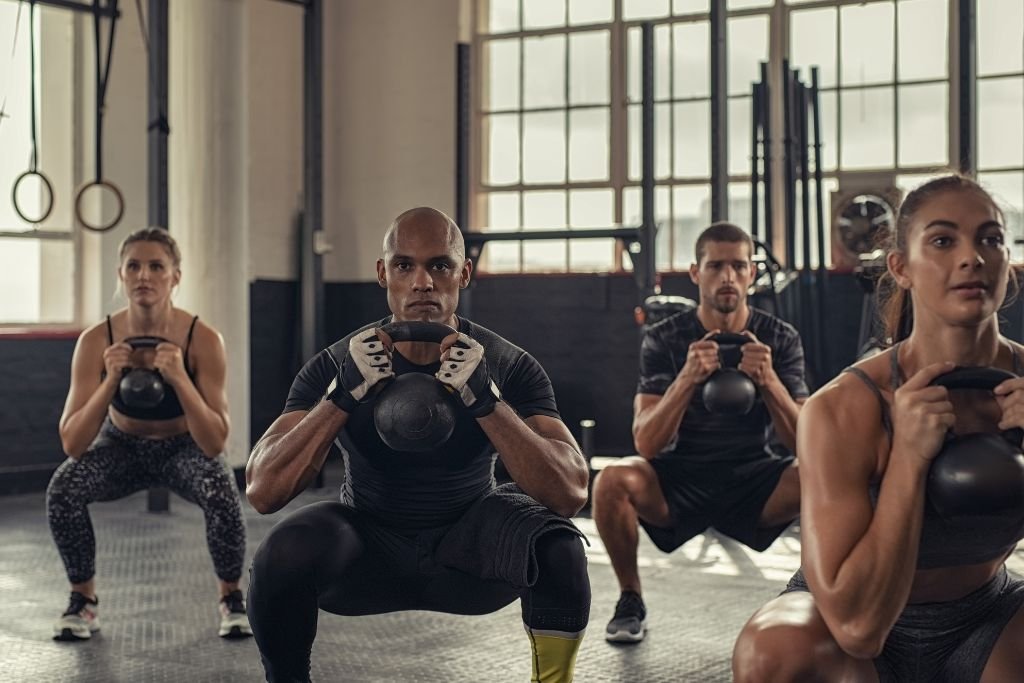
Kettlebells
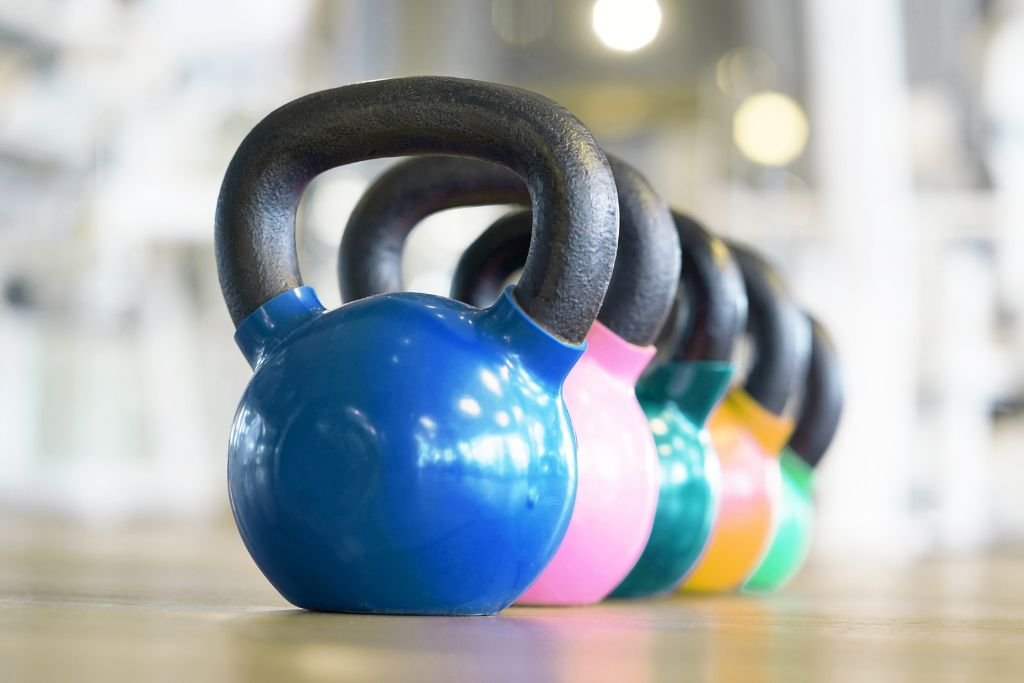
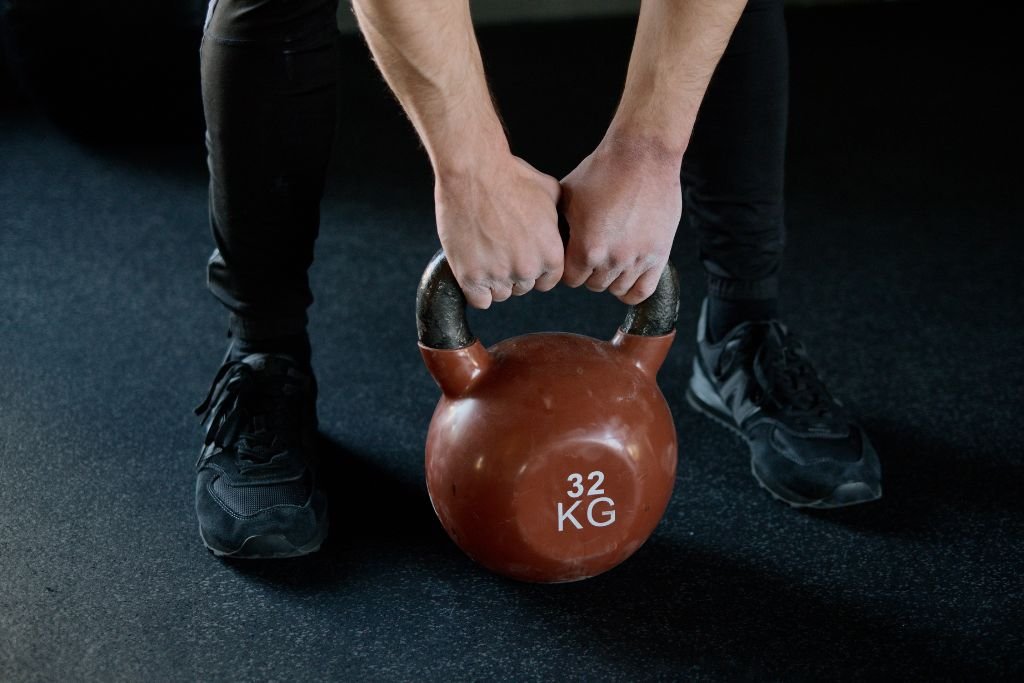
A cast-iron or steel ball with a handle on top, designed for dynamic, swinging movements rather than slow, controlled lifts.
- Excellent for combining strength and cardio in one exercise (like kettlebell swings)
- Trains the posterior chain: glutes, hamstrings, and lower back
- Popular for full-body conditioning workouts
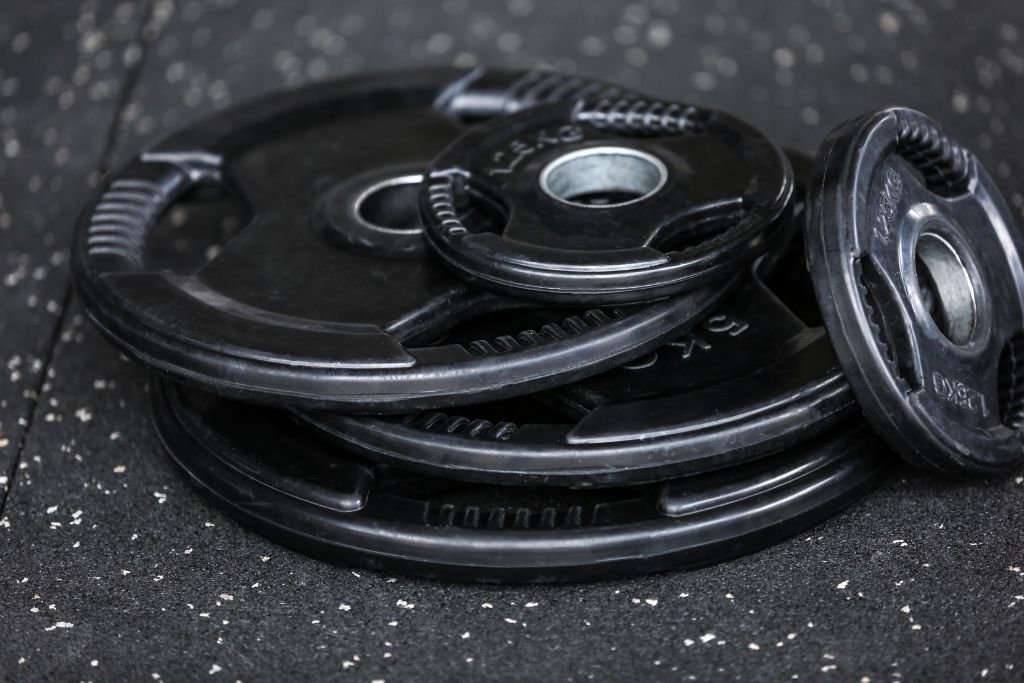
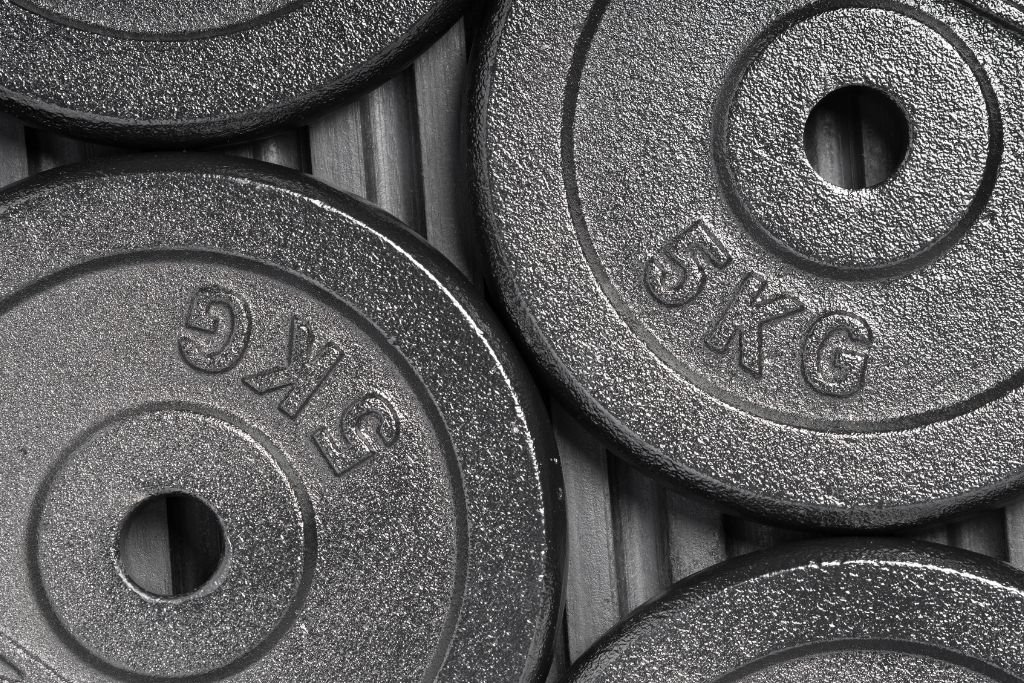
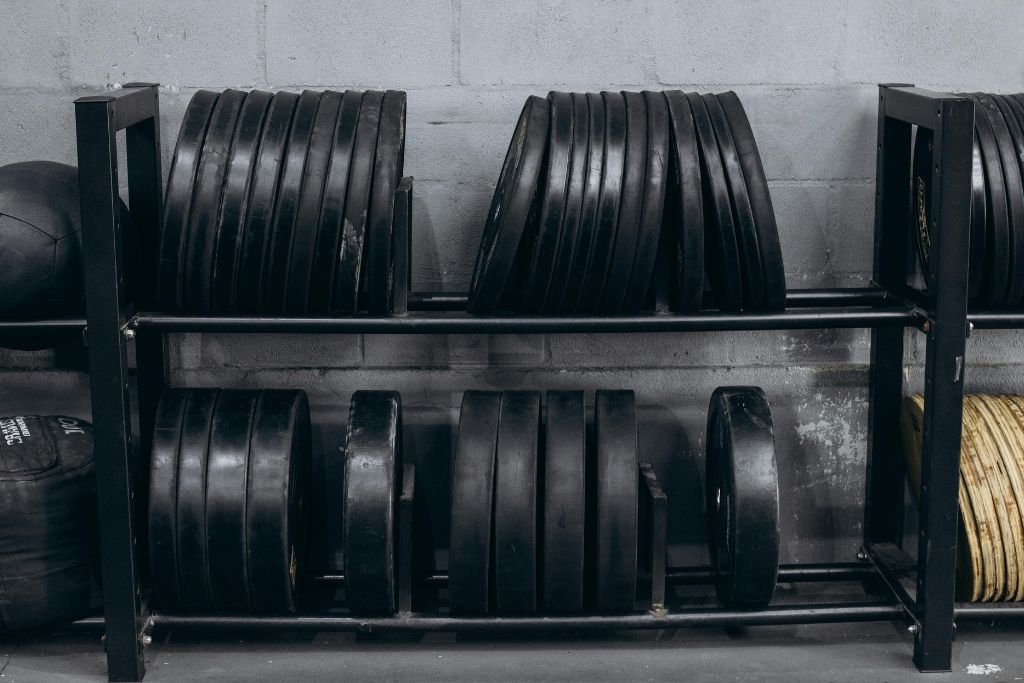
Weight Plates
Round, flat weights loaded onto barbells or used alone for exercises like weighted lunges and Russian twists.
- Come in Olympic (2-inch hole) and standard (1-inch hole) sizes
- Color-coded by weight in most commercial gyms for quick identification
- Always re-rack plates after use – it’s gym etiquette as much as safety
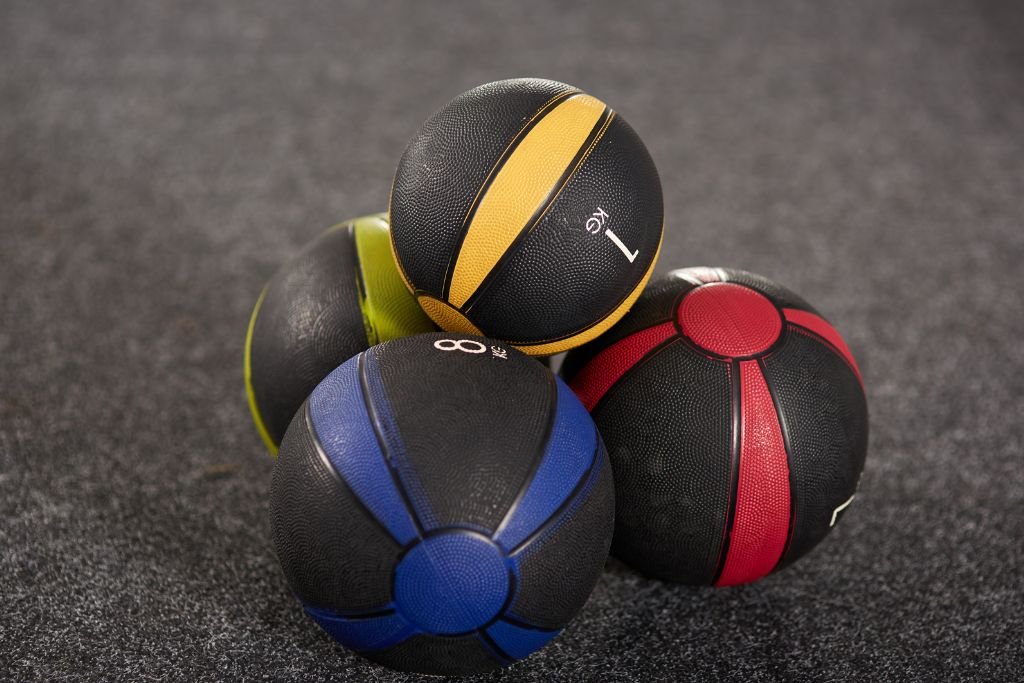
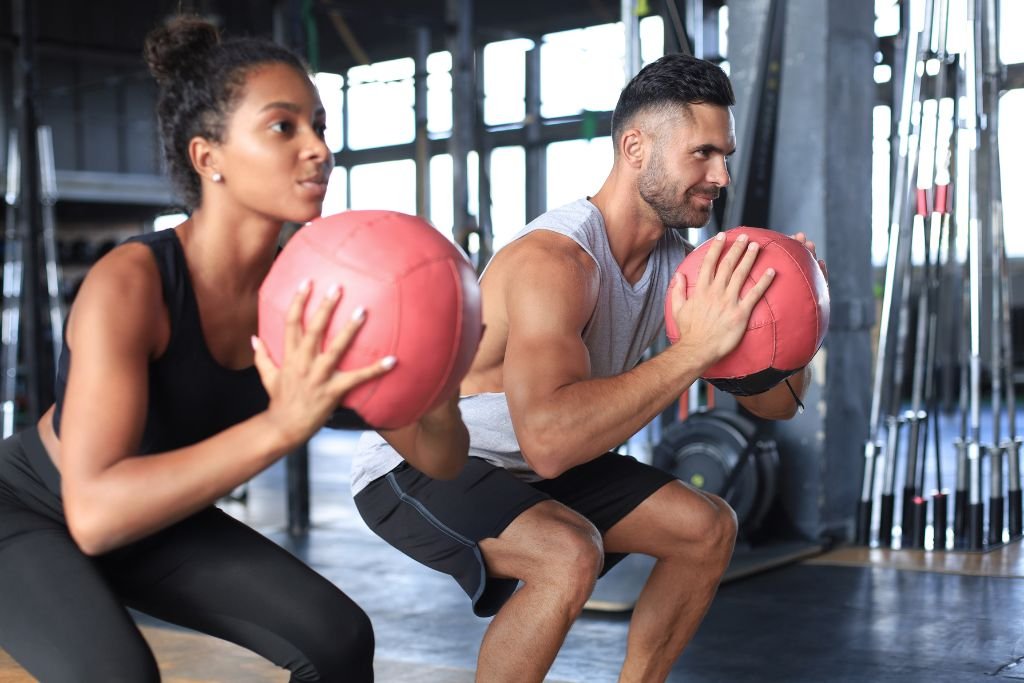
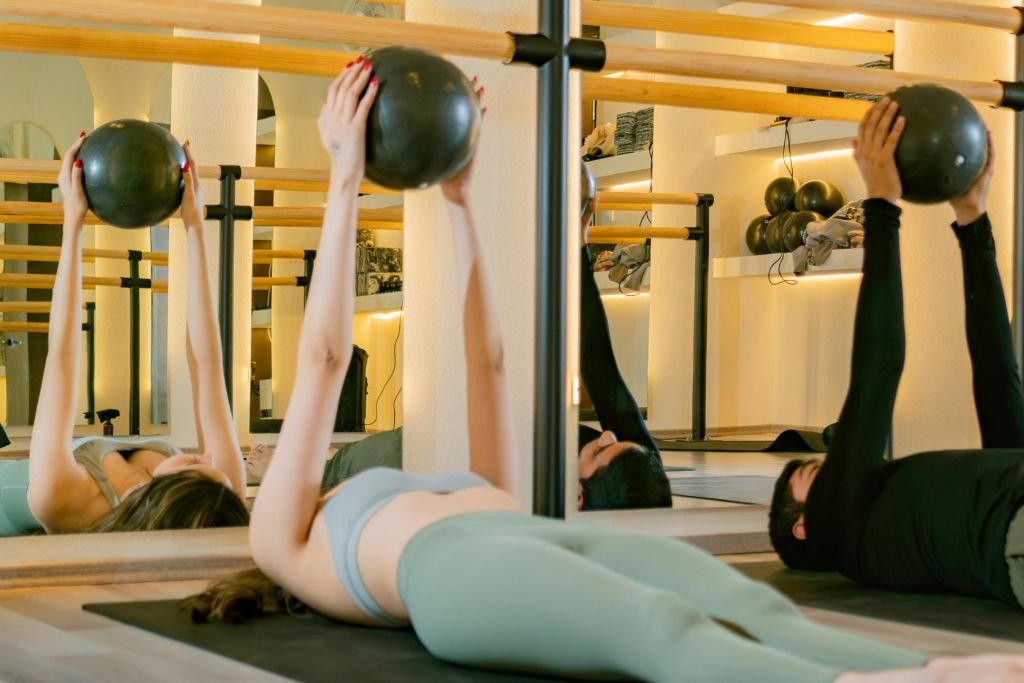
Medicine Ball
A weighted ball, often rubber-coated, used for throws, slams, and rotational core exercises.
- Builds explosive power alongside strength
- Frequently used in partner drills and functional training circuits
- Great low-intimidation entry point for beginners hesitant around barbells
Racks & Benches
Racks and benches are the support structures that make barbell training possible and safe.
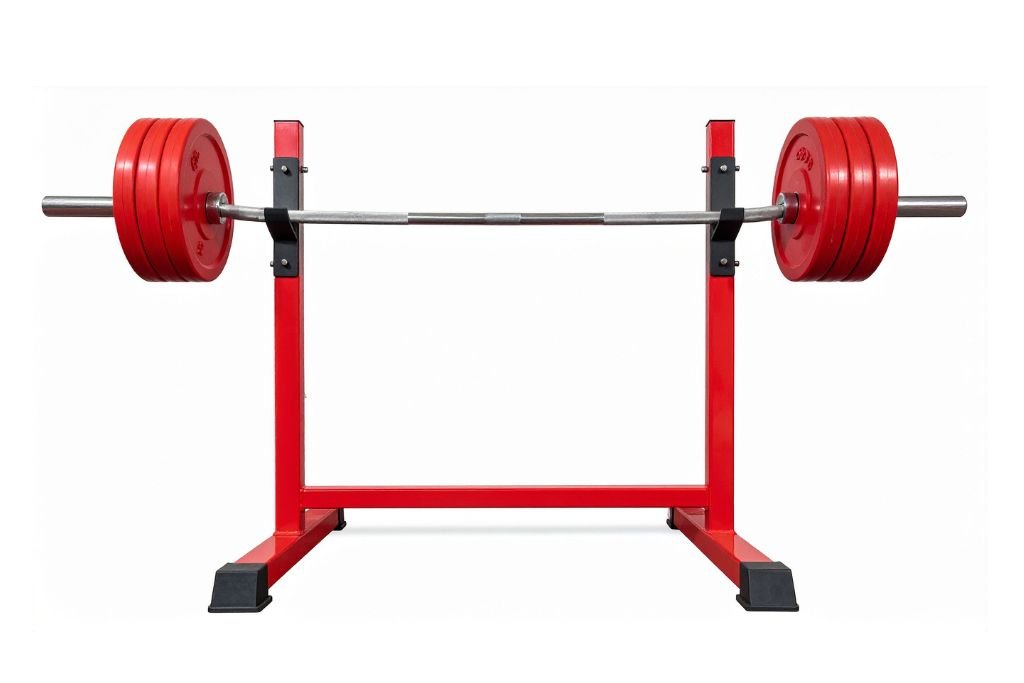
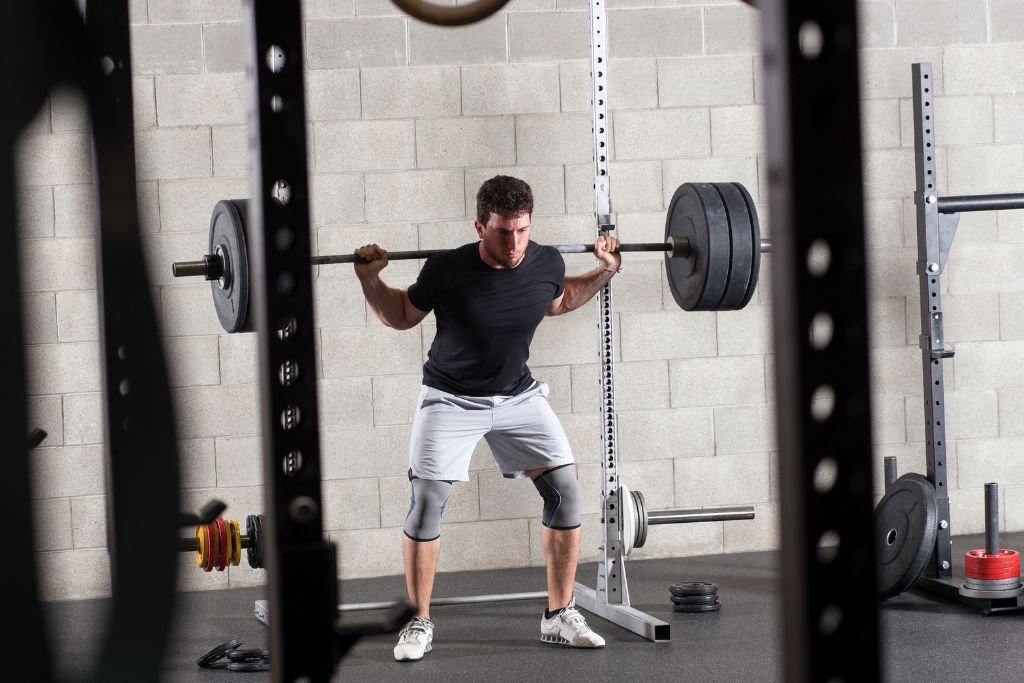
Squat Rack (Power Cage)
A four-post steel frame with adjustable safety bars, used to perform squats, bench presses, and overhead presses safely without a spotter.
- Full cages have four to six posts; squat stands use just two
- Safety bars catch the barbell if you fail a lift
- Often includes a built-in pull-up bar on top
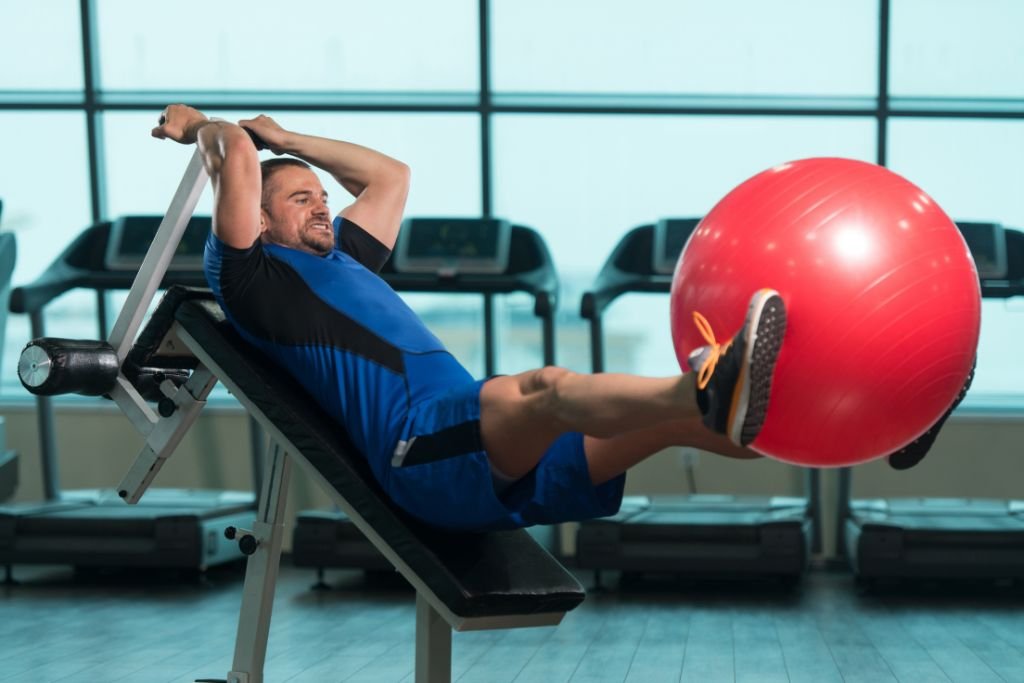
Adjustable Bench
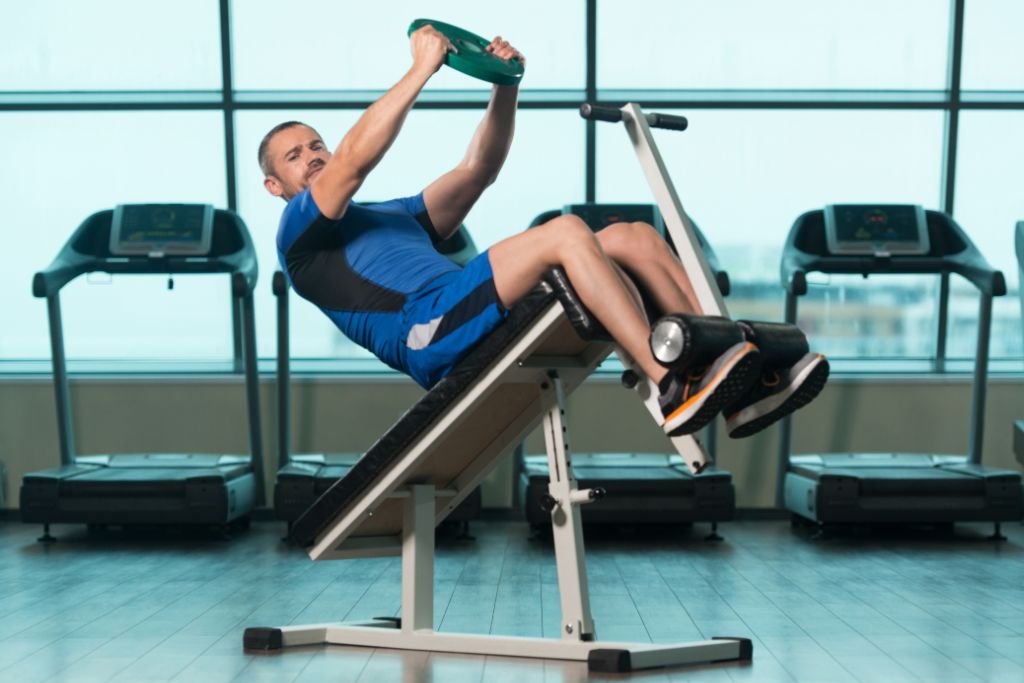
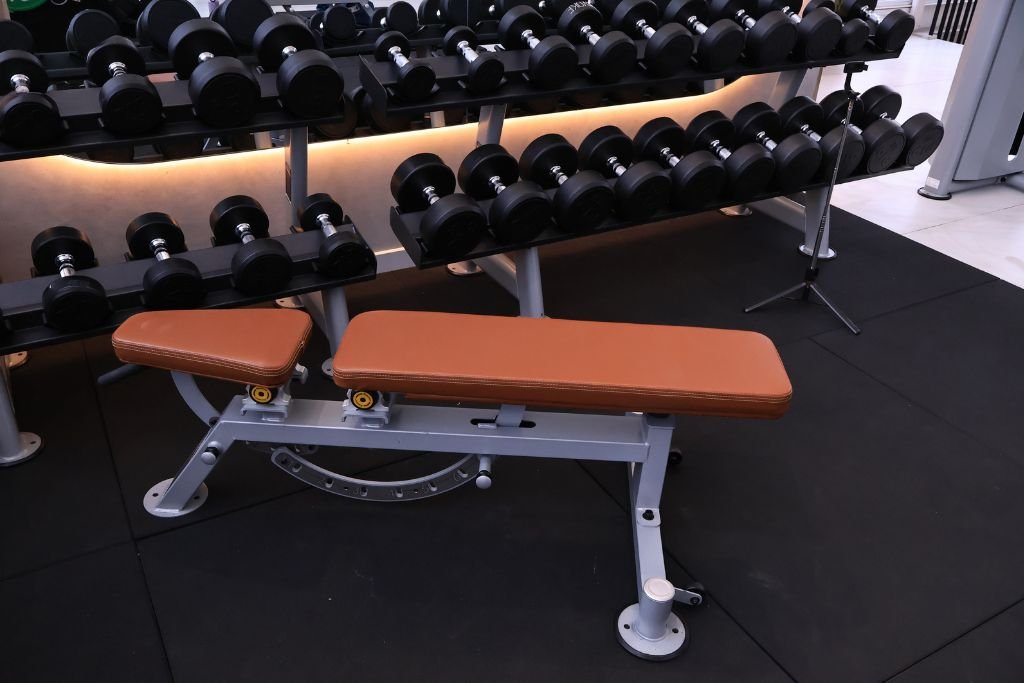
A padded bench that reclines from flat to incline to decline, used for pressing, rows, and core exercises.
- Flat position: classic bench press and dumbbell exercises
- Incline: shifts focus to upper chest and shoulders
- One of the most-used pieces of equipment in the free weight area, so expect to share it during busy hours
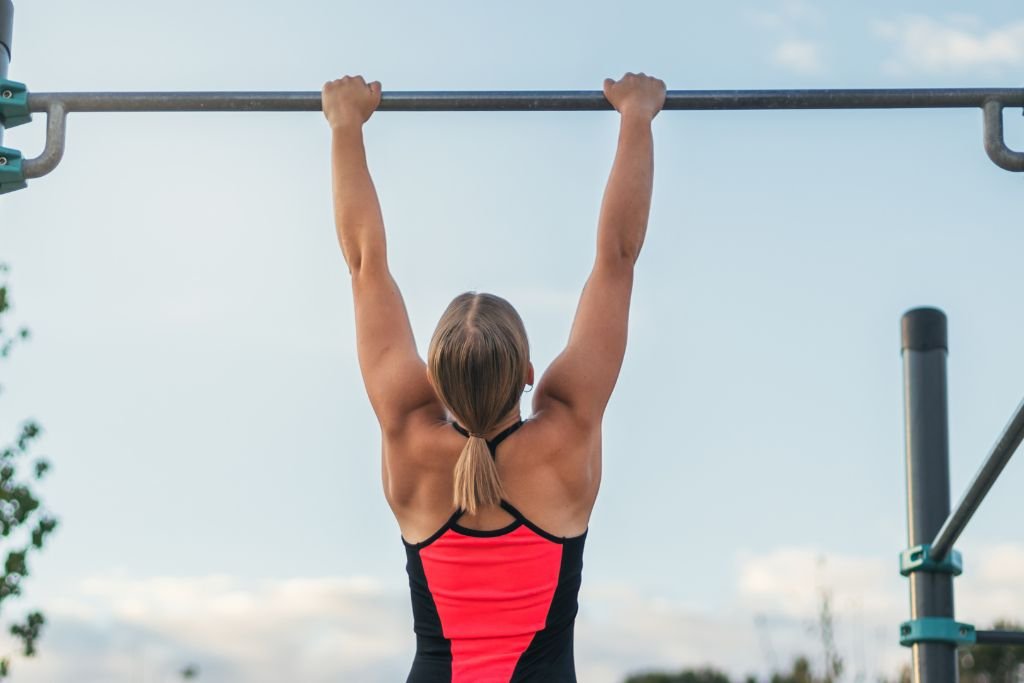
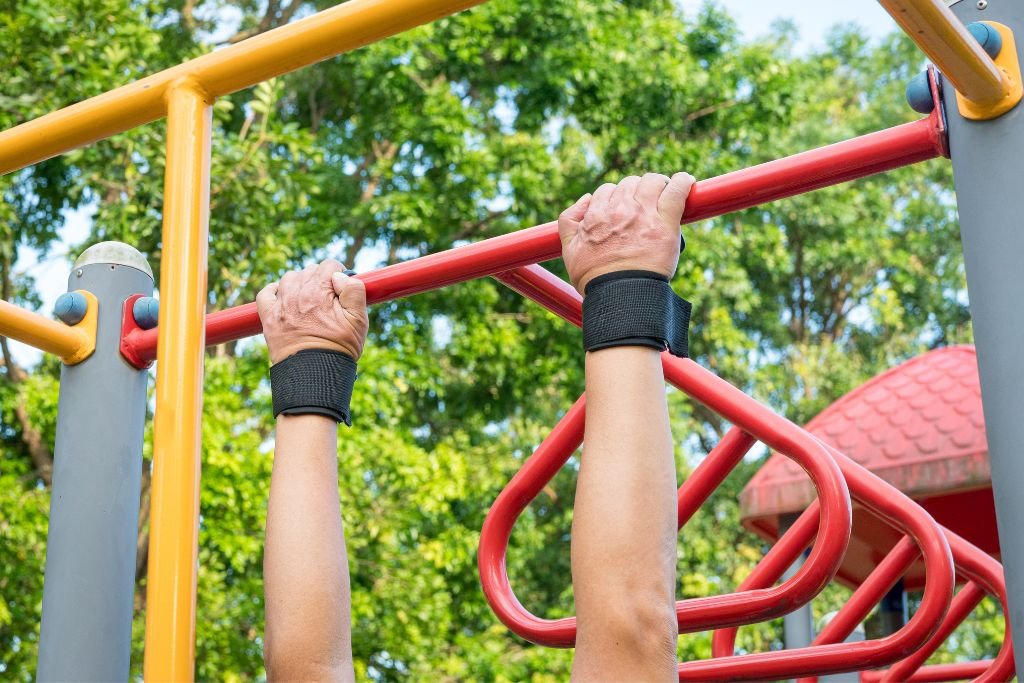
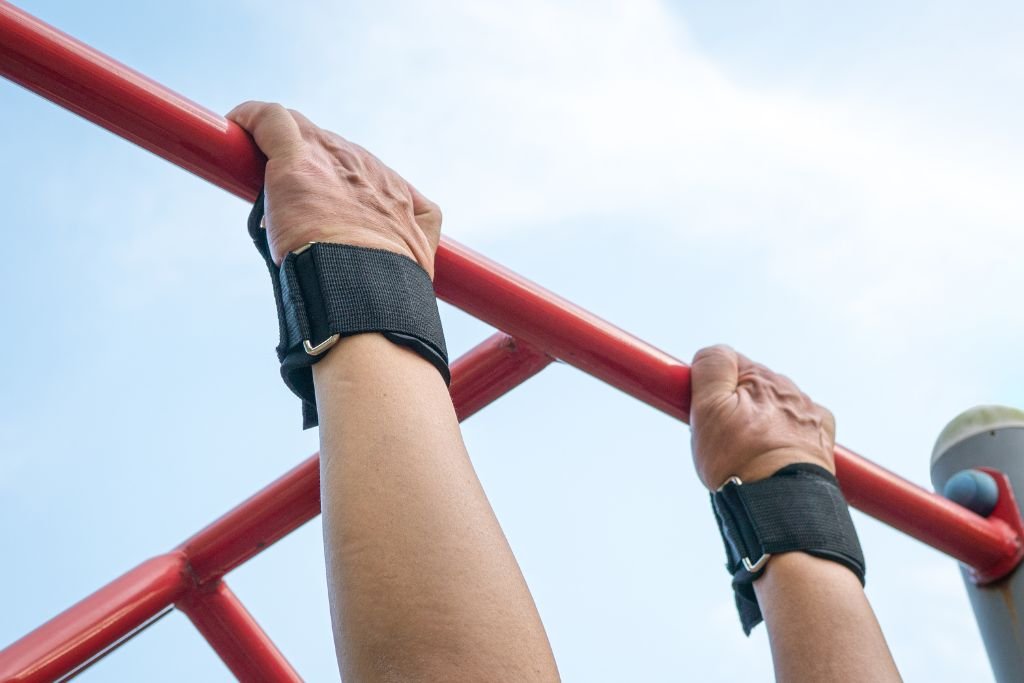
Pull-Up Bar
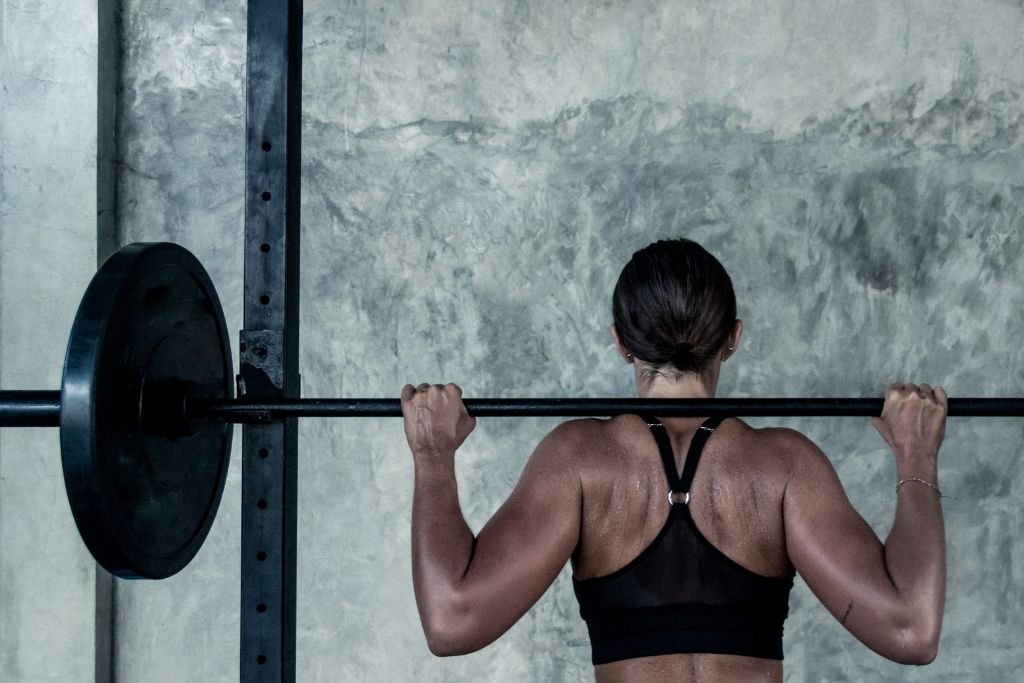
A simple horizontal bar, either wall-mounted, doorway-mounted, or built into a squat rack, used for pull-ups and chin-ups.
- Trains lats, biceps, and core with just bodyweight
- Grip width and hand position (overhand vs. underhand) change which muscles get emphasized most
- If pull-ups feel too hard at first, an assisted pull-up machine or resistance band is a good stepping stone
Functional & Accessory Equipment
These tools round out a well-equipped gym, adding variety, mobility work, and conditioning options.
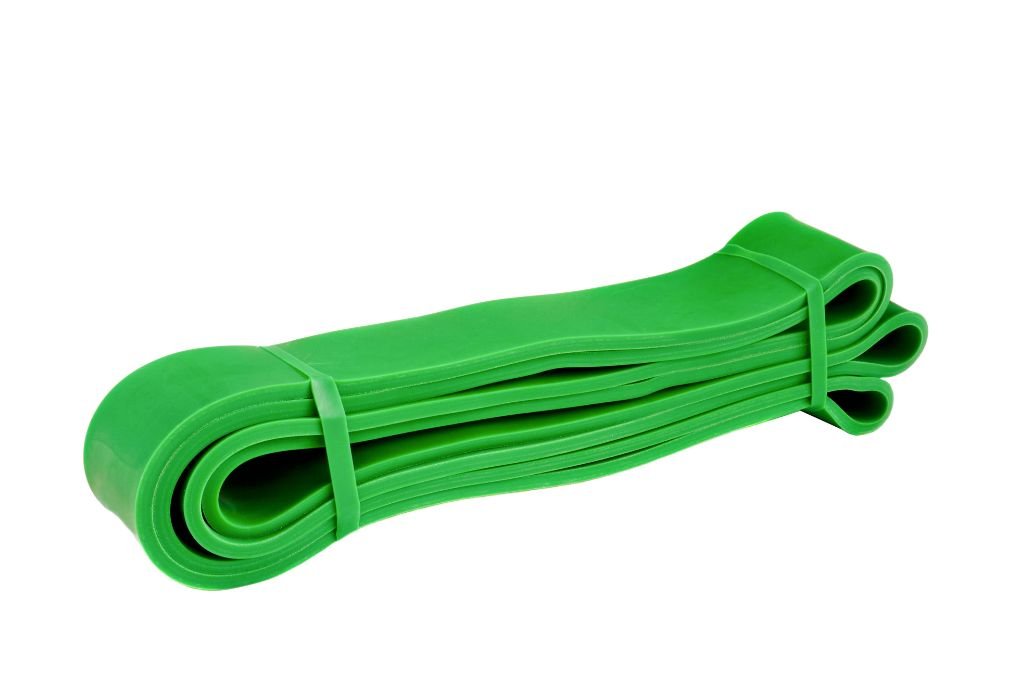
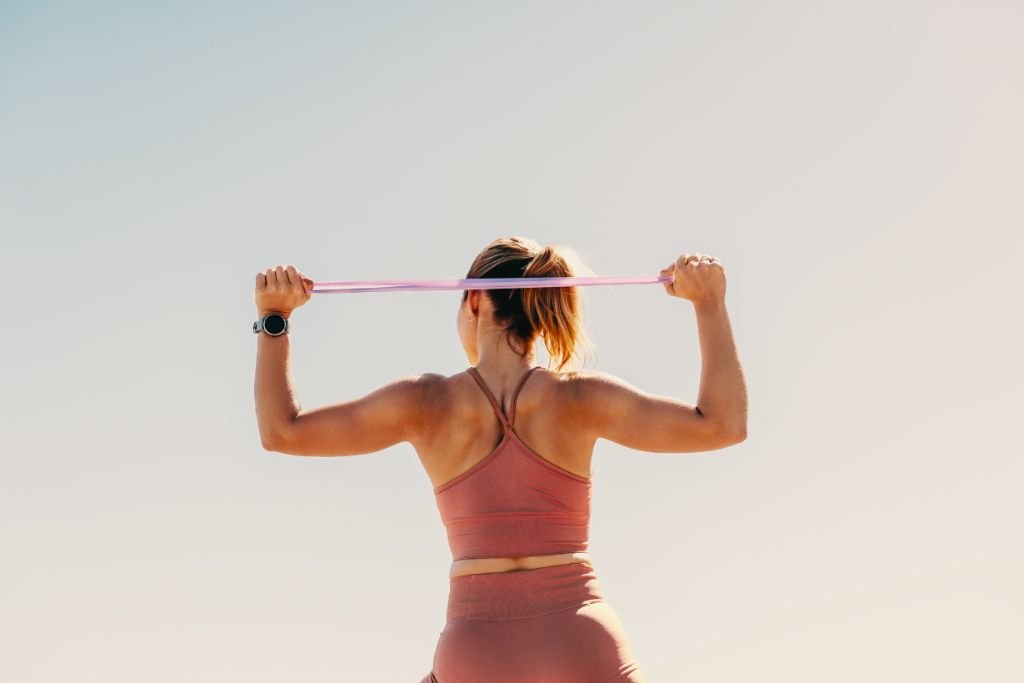
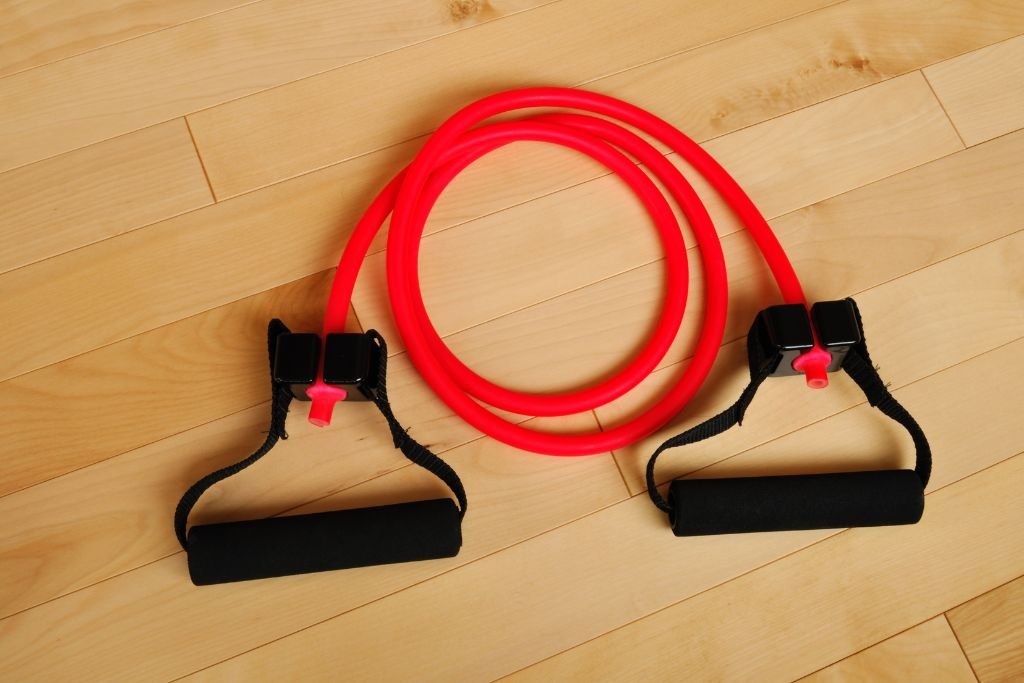
Resistance Bands
Elastic loops or tubes that provide tension throughout a movement, used for strength training, warm-ups, and physical therapy.
- Lightweight, portable, and ideal for home use or travel
- Tension increases as the band stretches, unlike constant-weight dumbbells
- Great for activating muscles before a workout or adding resistance to bodyweight exercises
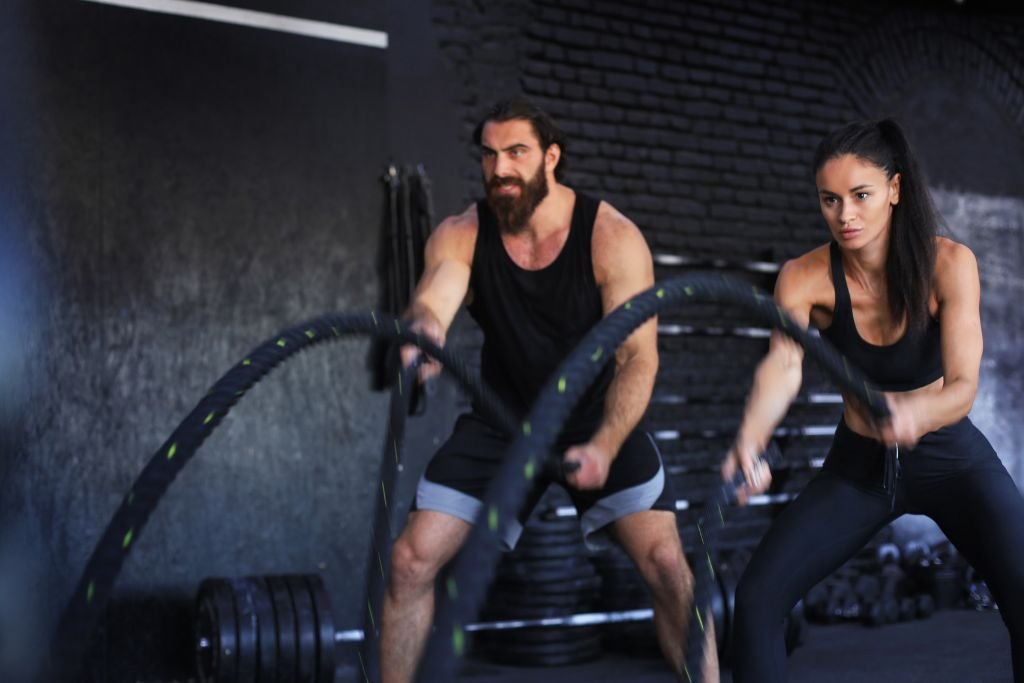
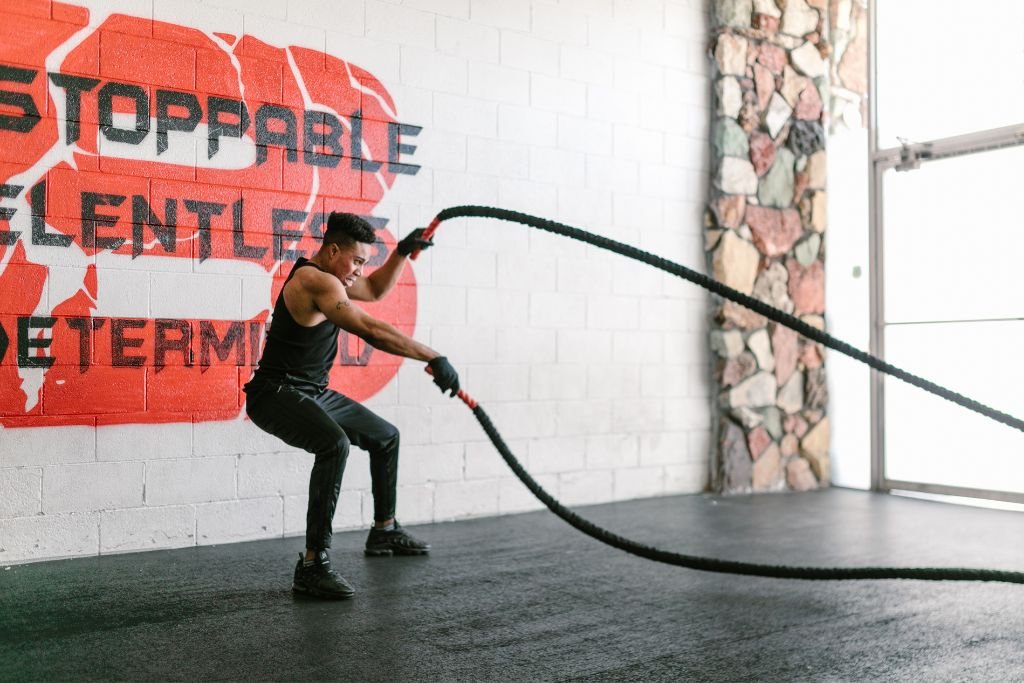
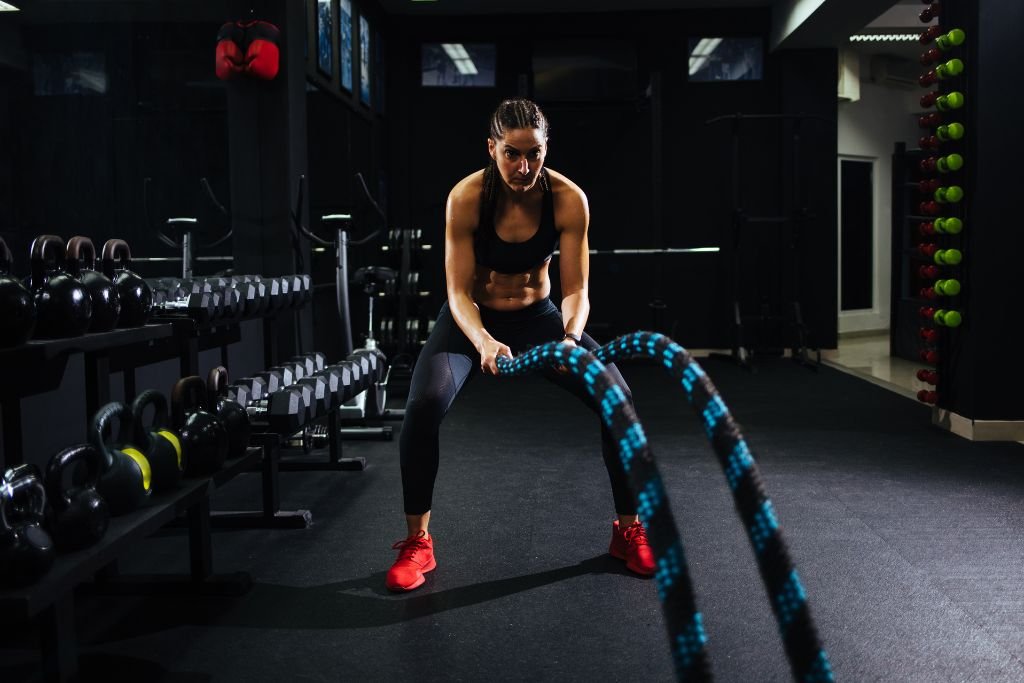
Battle Ropes
Thick, heavy ropes anchored at one end, used for high-intensity waving, slamming, and circular movements.
- Combines cardio and upper-body strength training
- Engages shoulders, arms, and core intensely in short bursts
- A staple in HIIT and circuit-style workouts
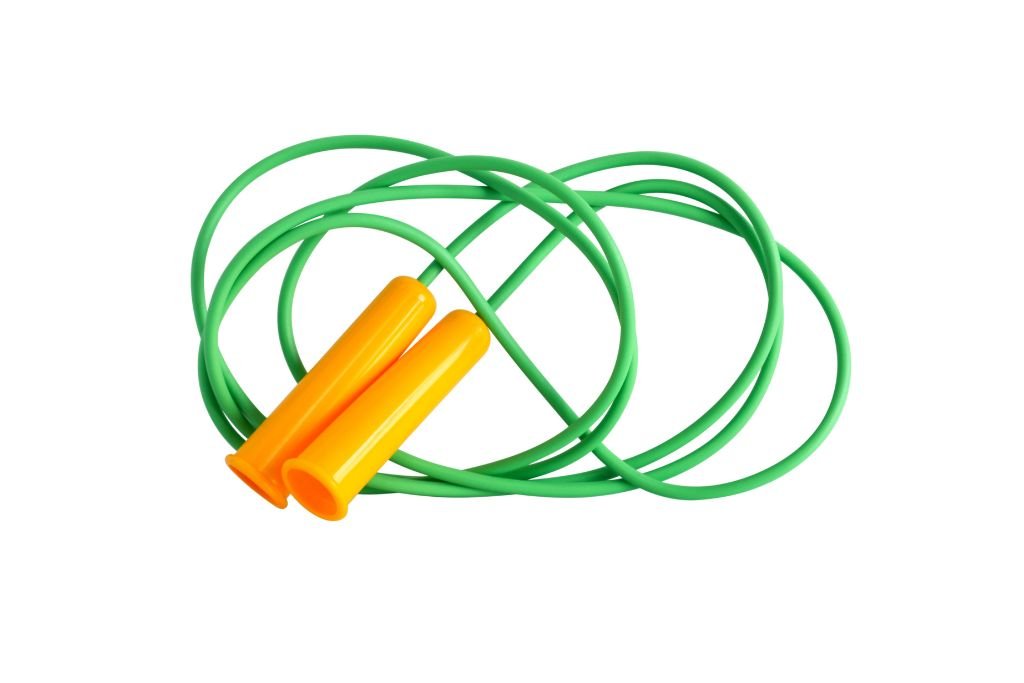
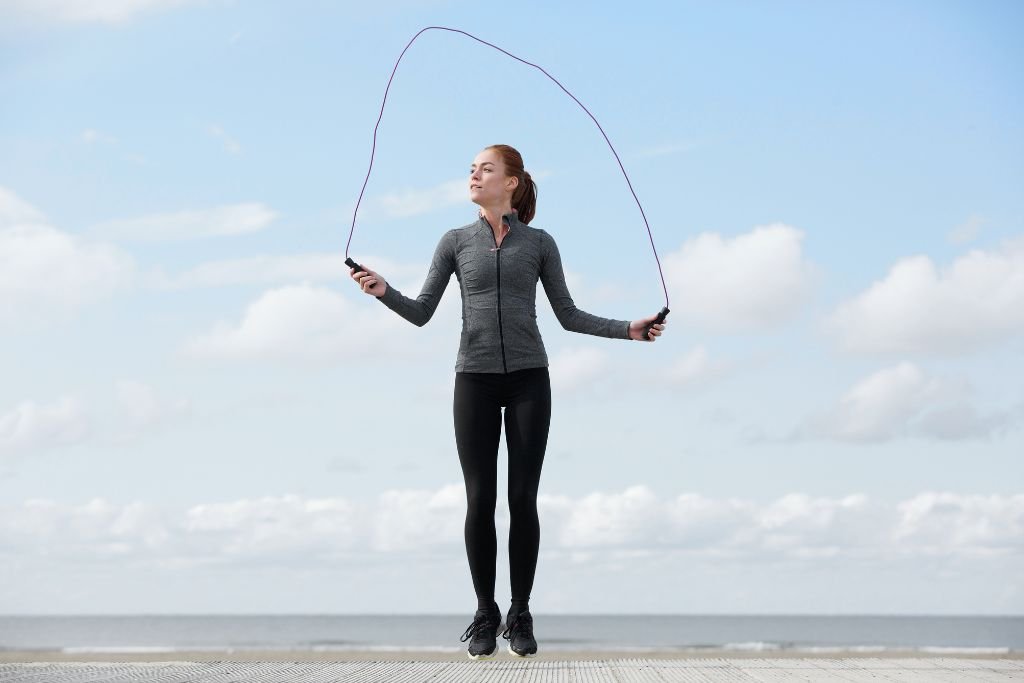
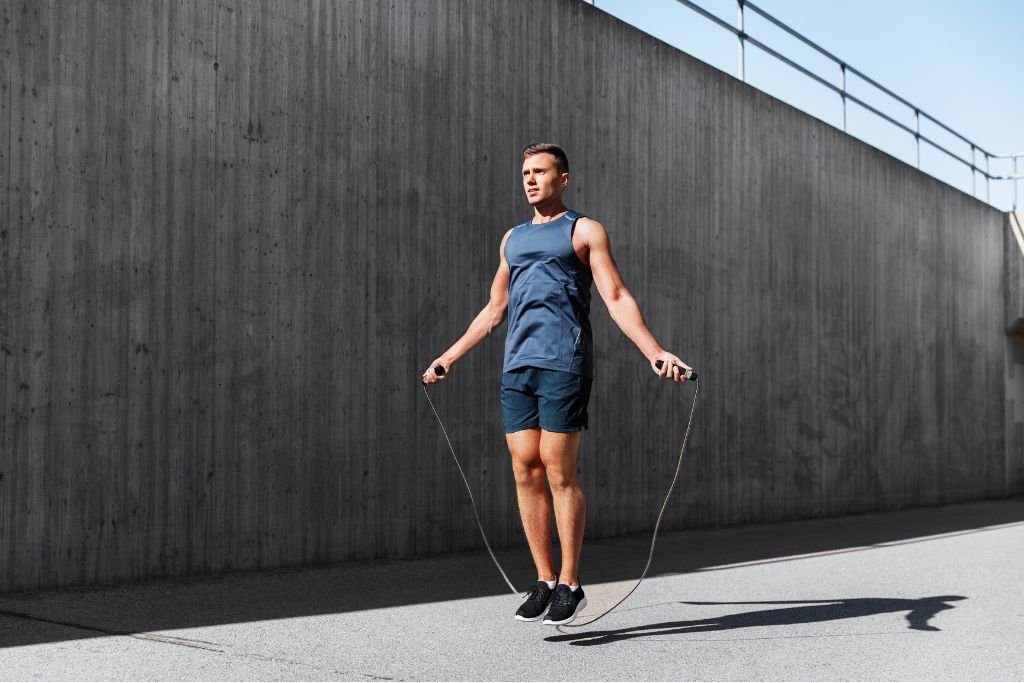
Jump Rope
A simple rope with handles, swung under the feet while jumping – one of the most efficient cardio tools ever made.
- Extremely affordable and portable
- Builds coordination, calf strength, and cardiovascular endurance quickly
- Beginners should start with short intervals (30-60 seconds) rather than continuous jumping
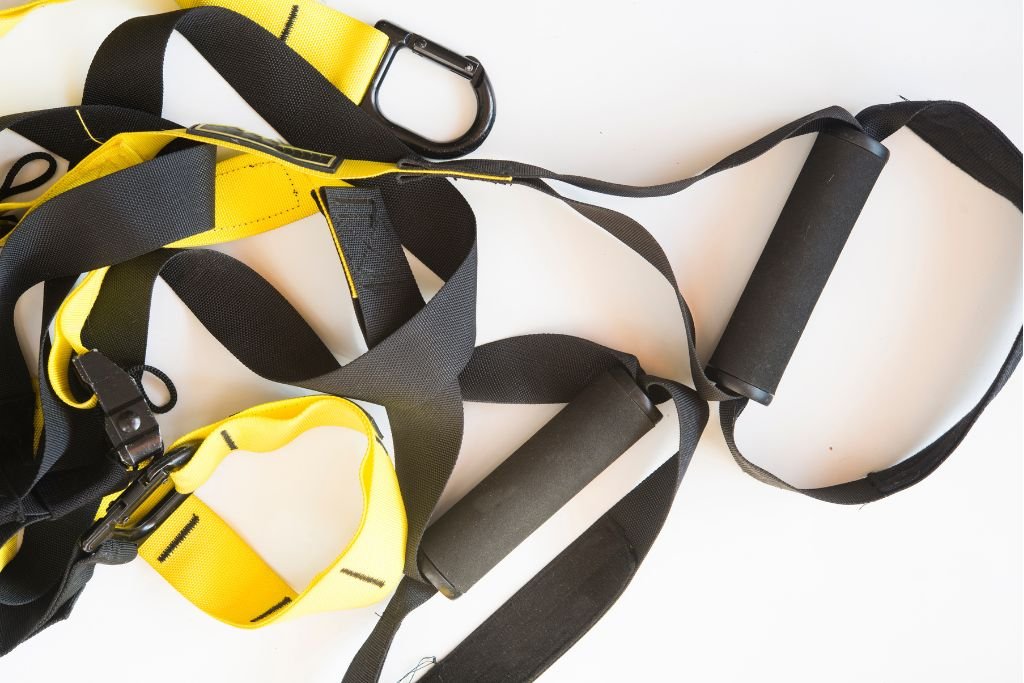
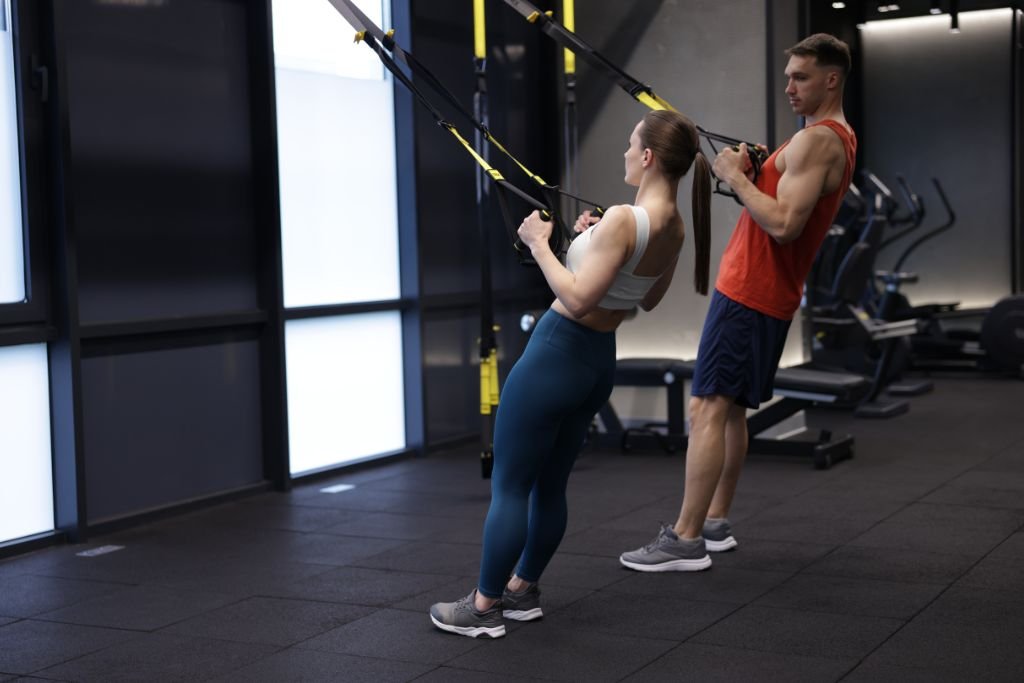
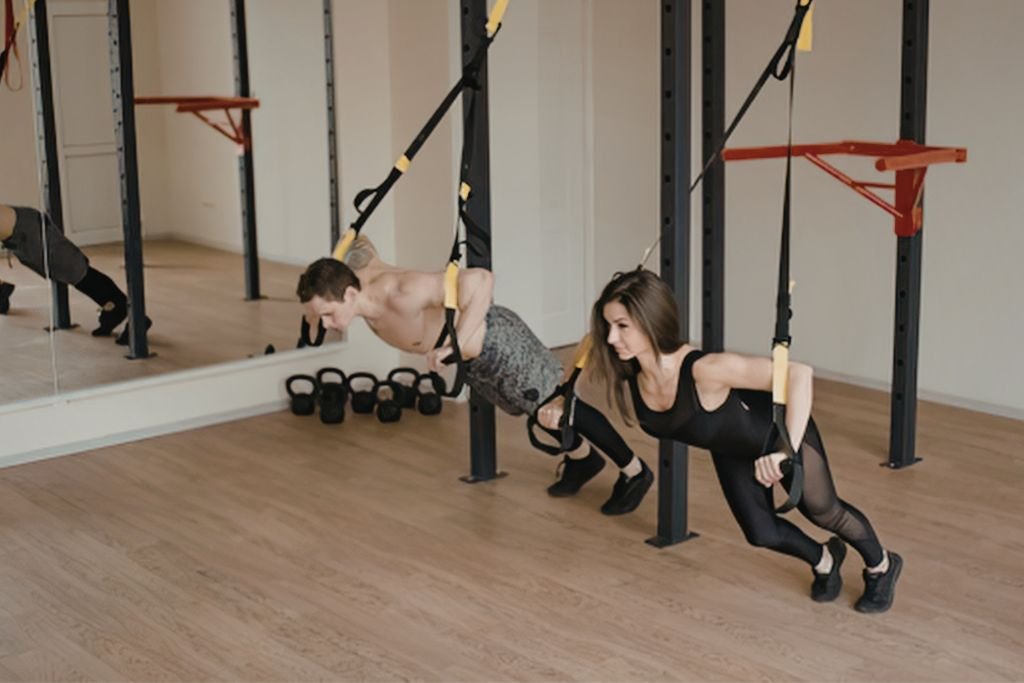
Suspension Trainer (TRX)
Adjustable straps anchored overhead, letting you use your own bodyweight as resistance at various angles.
- Trains core stability alongside whatever muscle group you’re targeting
- Highly adjustable difficulty – just change your body angle
- Popular for functional fitness and travel workouts since it packs into a small bag
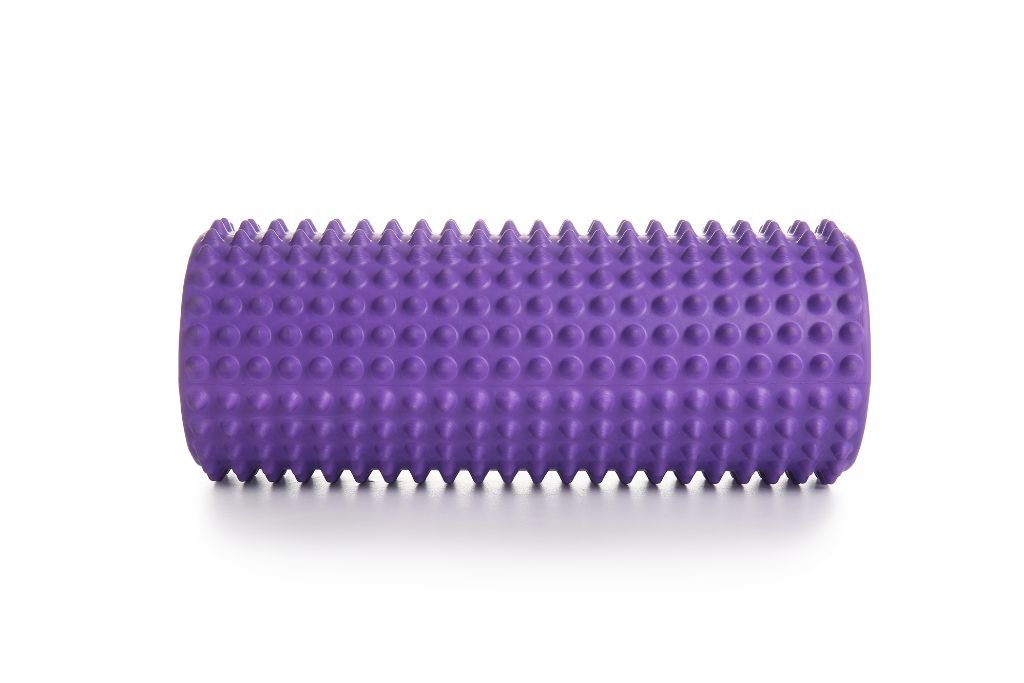
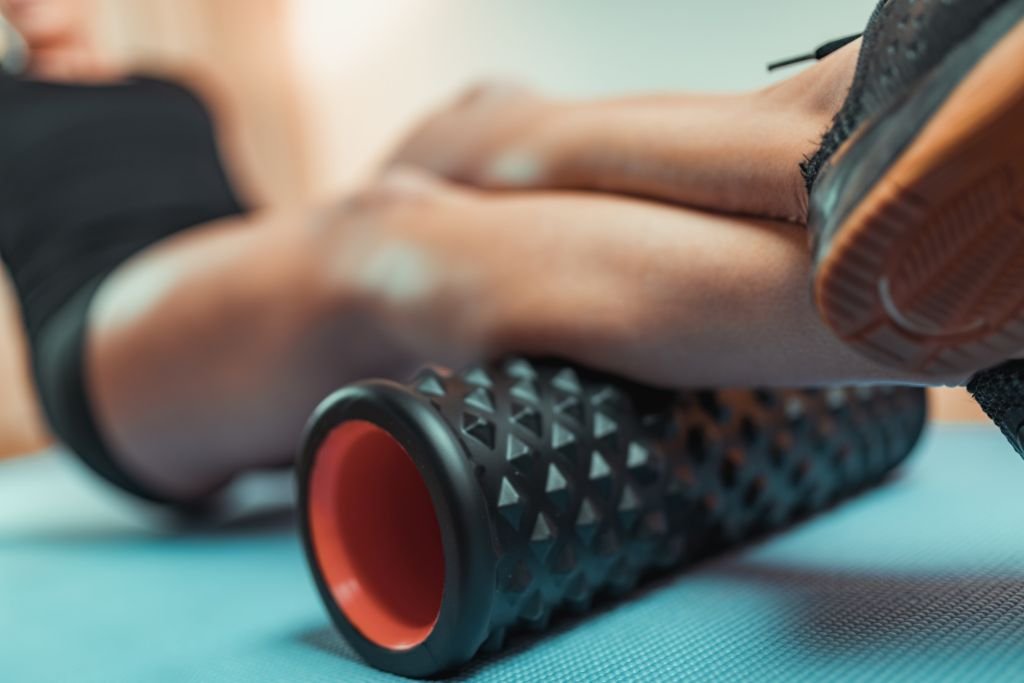
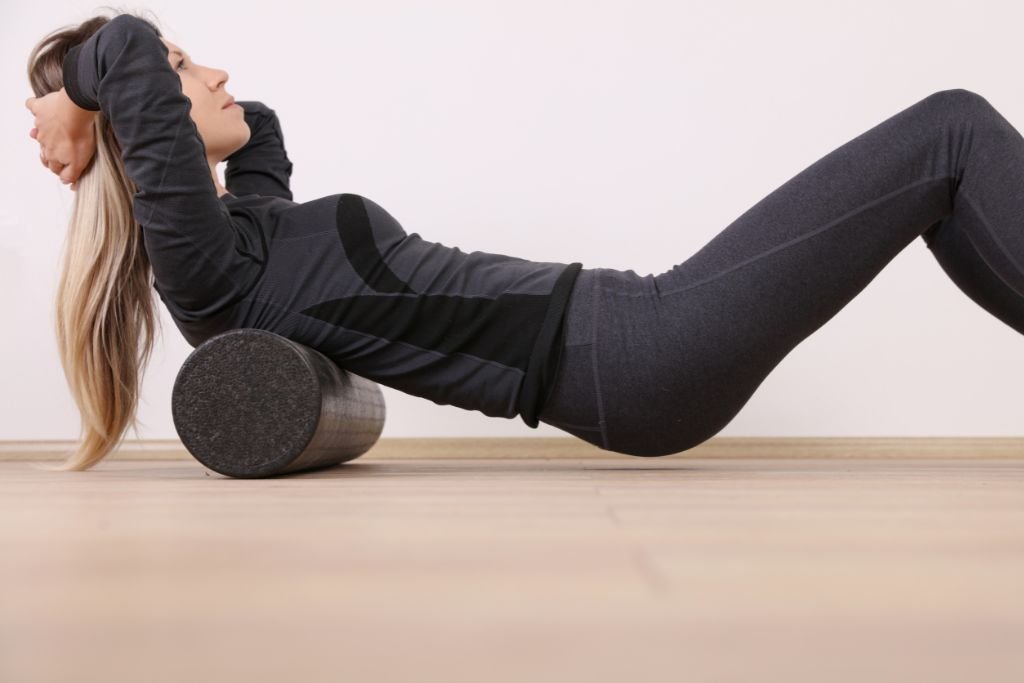
Foam Roller
A cylindrical foam tube used to apply pressure to muscles for self-massage and recovery.
- Helps reduce muscle tightness and improve mobility
- Commonly used before workouts to warm up tissue or after to aid recovery
- Roll slowly over each muscle group, pausing on tight spots for 20-30 seconds
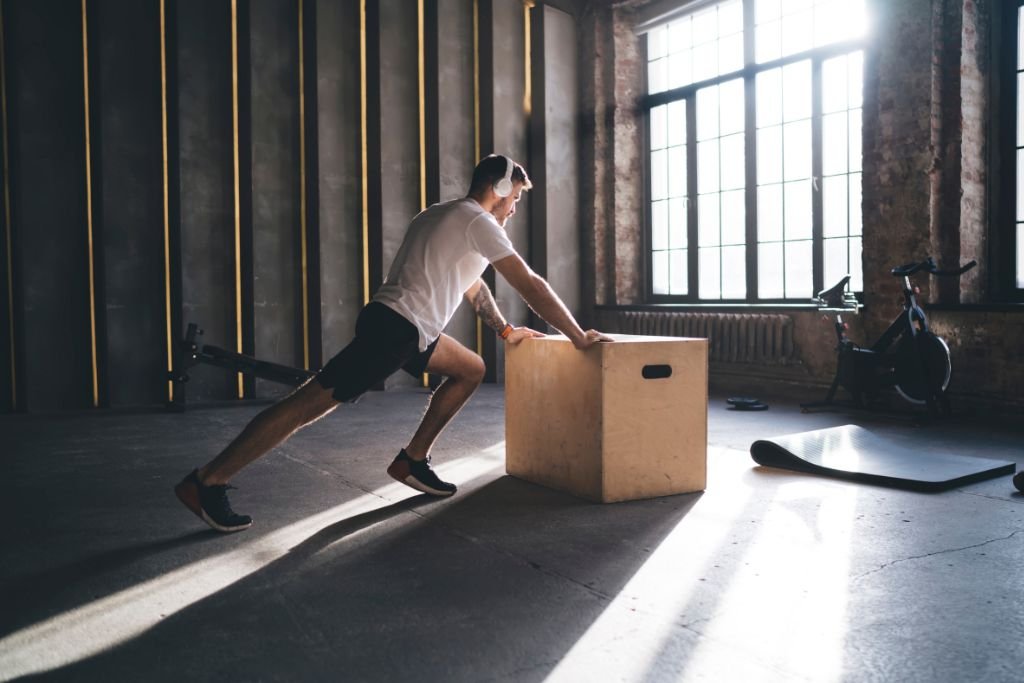
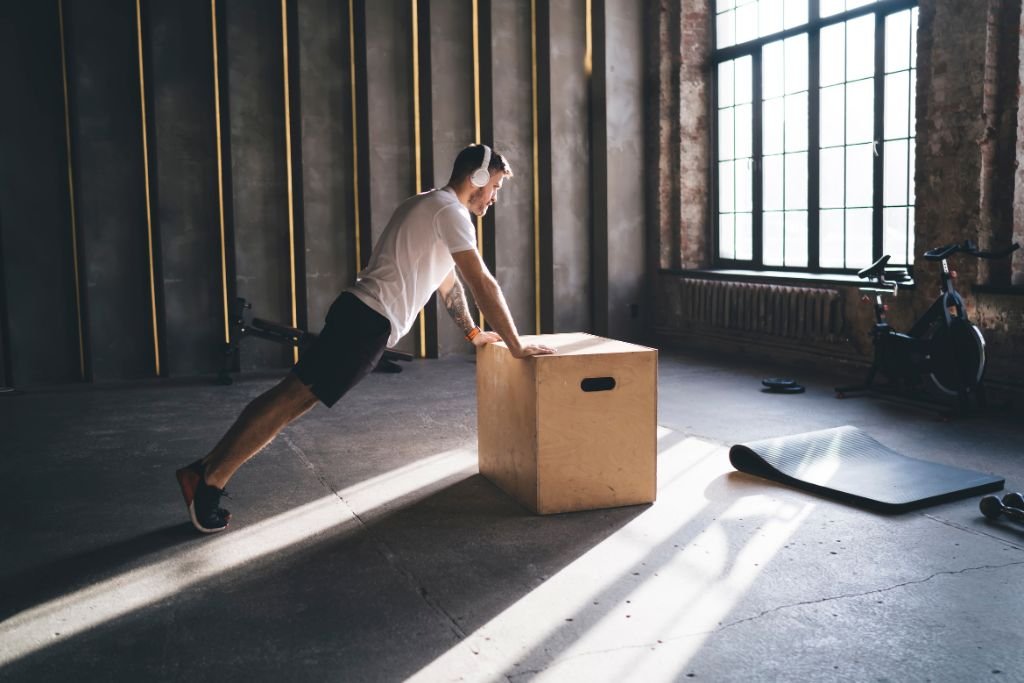
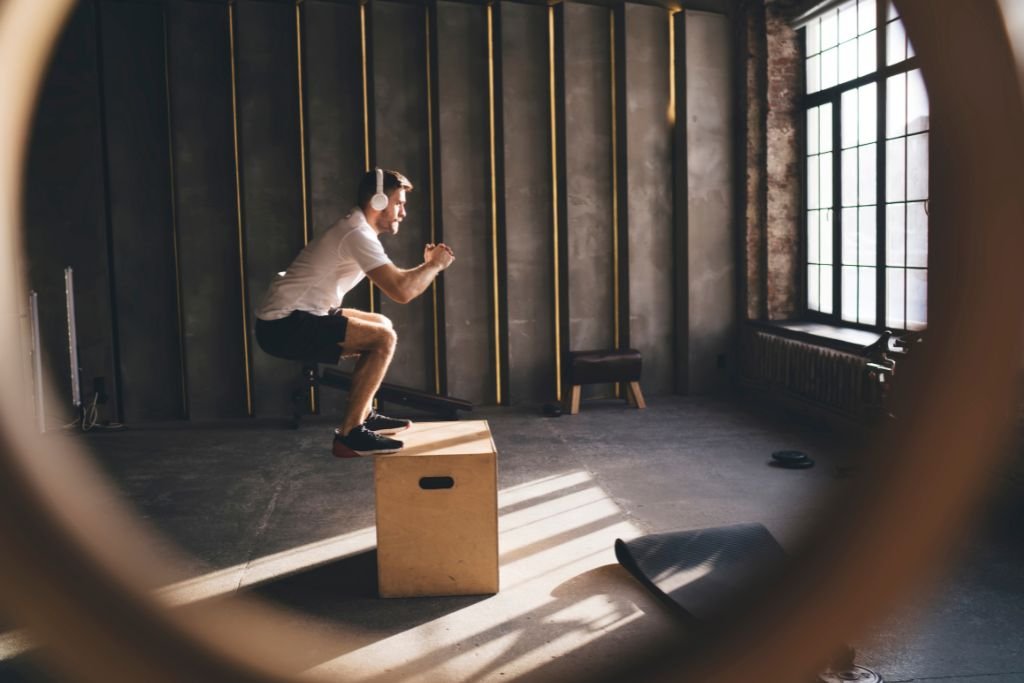
Plyo Box
A sturdy platform box, often available in multiple heights, used for explosive jump training.
- Builds power in the legs and improves athletic performance
- Common in CrossFit-style and HIIT programming
- Beginners should start with a lower box height and focus on landing softly before progressing
Equipment by Muscle Group
Use this quick-reference table to find the right equipment for the area you want to train.
| Muscle Group | Machines | Free Weights | Functional |
| Chest | Chest press, cable crossover | Barbell, dumbbells | Push-up variations |
| Back | Lat pulldown, cable row, Smith machine | Barbell (deadlift), dumbbells | Pull-up bar, TRX |
| Legs | Leg press, leg extension, leg curl, Smith machine | Barbell (squat), dumbbells, kettlebells | Plyo box |
| Shoulders | Cable machine, Smith machine | Dumbbells, barbell | Resistance bands |
| Arms (biceps/triceps) | Cable machine | Dumbbells, barbell | Resistance bands |
| Core | Cable machine | Medicine ball, kettlebells | TRX, plyo box |
| Full-body / Cardio | Rowing machine, ski erg | – | Battle ropes, jump rope |
This table doubles as a quick answer for “what machine works my back” or “what’s a good chest exercise machine” – bookmark it before your next gym visit.
Beginner Tips for Using Gym Equipment
A few habits make the gym floor far less intimidating once you know the equipment names.
- Start light. Choose a weight or resistance level you can control through the full range of motion before increasing it.
- Ask staff. Most gyms offer a free equipment walkthrough for new members – take advantage of it.
- Read the placard. Most machines have a small diagram showing proper setup and form.
- Re-rack everything. Returning plates, dumbbells, and bars to their spot is standard gym etiquette.
- Don’t skip machines out of embarrassment. Every experienced lifter was once a beginner staring at the same cable pulley system.
Building familiarity with names and pictures – like the ones covered above – is the fastest way to stop feeling lost and start training with confidence.
FAQ
What are the most common pieces of gym equipment?
Treadmills, dumbbells, barbells, cable machines, and leg press machines are among the most common. Most commercial gyms stock a mix of cardio machines, strength machines, and free weights to serve all fitness levels.
What is the machine that works your whole body called?
The rowing machine is the closest to a true full-body machine, engaging legs, back, arms, and core in one continuous movement. The ski erg is a close second, focusing more on the upper body.
What’s the difference between a Smith machine and a squat rack?
A Smith machine locks the barbell to a fixed vertical path, while a squat rack uses a completely free barbell. Squat racks build more stabilizer strength; Smith machines offer more built-in safety.
What cardio machine burns the most calories?
The rowing machine and ski erg typically burn the most calories per minute because they engage the largest number of muscle groups simultaneously, compared to machines that isolate the lower body alone.
What equipment should a beginner start with at the gym?
Beginners often start with machines like the leg press, chest press, and lat pulldown, since these guide movement along a fixed path and reduce the risk of poor form compared to free weights.
What is the machine for your back called at the gym?
The lat pulldown machine is the primary back-focused machine, along with the seated cable row. Both target the lats, rhomboids, and rear shoulders.
Do I need free weights or machines as a beginner?
Machines are generally safer for beginners since they guide the movement path, while free weights build more stabilizer strength once basic form is established. Most trainers recommend starting with machines and adding free weights gradually.
What is the pulley machine at the gym used for?
The cable machine (pulley system) allows dozens of exercises by adjusting the height and attachment, including rows, pushdowns, face pulls, and crossovers, making it one of the most versatile tools in the gym.
How do I know which gym machine works which muscle?
Most machines have a diagram or placard showing the targeted muscle group and proper setup. The muscle-group table above this FAQ also offers a quick reference for matching equipment to your goals.
What equipment do I need for a home gym starter kit?
A basic home gym starter kit typically includes adjustable dumbbells, a resistance band set, a jump rope, and an adjustable bench – enough variety to train most muscle groups without a large equipment investment.
Conclusion
Learning gym equipment names with pictures turns an intimidating gym floor into familiar territory. From cardio machines like treadmills and rowing machines, to strength machines like the leg press and lat pulldown, to free weights and functional tools like resistance bands and TRX straps – each piece of equipment serves a specific purpose in building a stronger, healthier body.
The muscle-group table above makes it easy to match your goals to the right machine, whether you’re chasing a stronger back, bigger legs, or better cardio endurance. As gyms continue evolving with smarter equipment and AI-guided training tools in 2026, knowing the fundamentals covered here will still be the foundation every workout builds on.
Next time you walk onto the gym floor, you won’t just see machines you’ll see exactly what to do with each one.