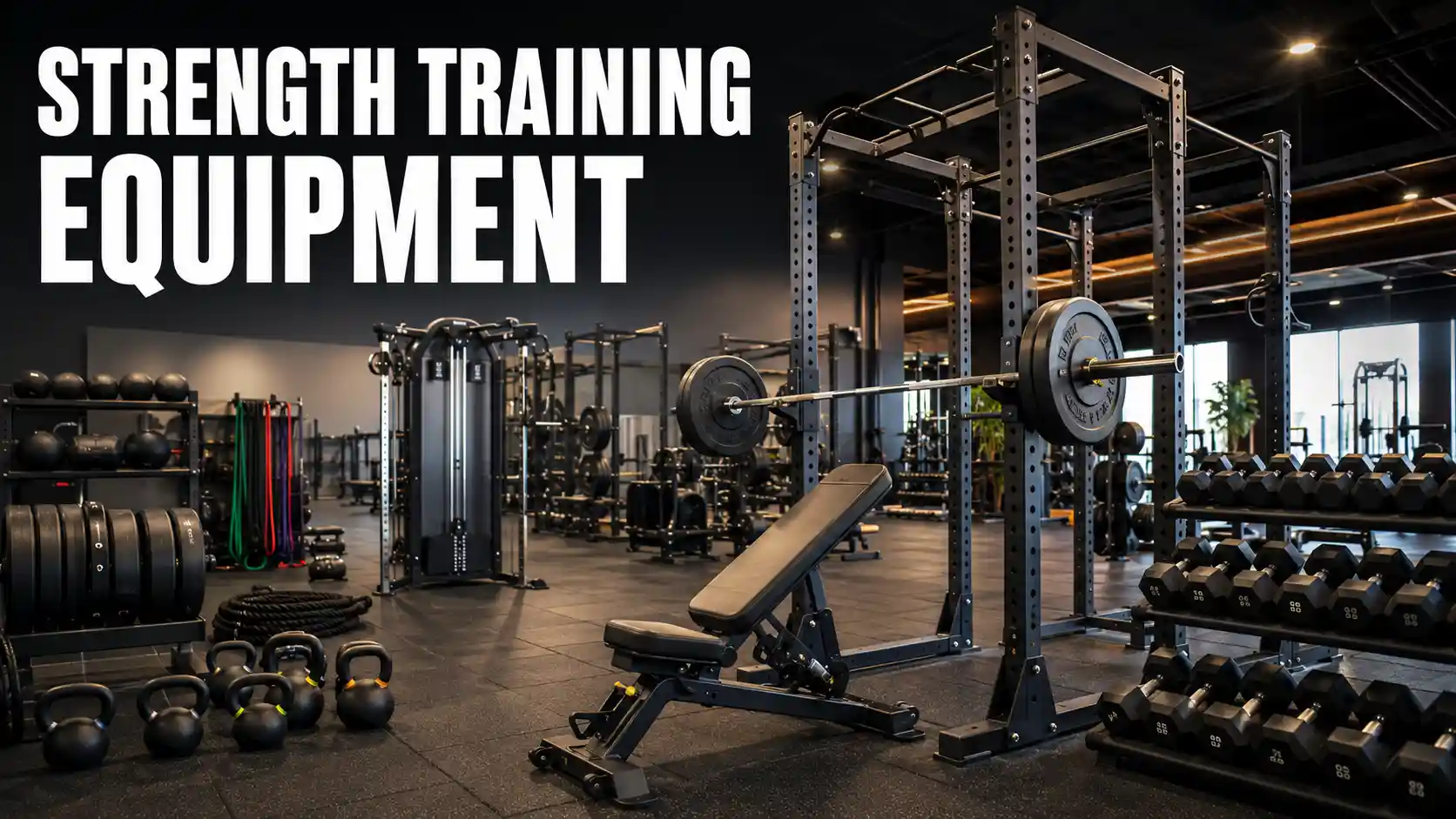
Strength Training Equipment: The Complete 2026 Guide
Staring at a wall of dumbbells, racks, and machines and having no idea where to start? You’re not alone. Only about a third of American adults meet the federal guideline of two muscle strengthening sessions a week, and confusing equipment choices are a big reason why.
Strength training equipment doesn’t have to be complicated. Whether you’re outfitting a spare room or picking your first set of dumbbells, the right gear comes down to a short list of essentials, not a warehouse of gadgets.
This guide breaks down every major category of strength training equipment, from budget friendly bands to full power racks, so you can build a setup that matches your goals, your space, and your wallet. By the end, you’ll know exactly what to buy first and what to skip entirely.
Table of Contents
What Is Strength Training Equipment?
Strength training equipment refers to any tool designed to add resistance to a movement so your muscles have to work harder than they would on their own. That resistance can come from gravity, tension, hydraulics, or digital motors, and it’s what separates a strength session from a cardio one.
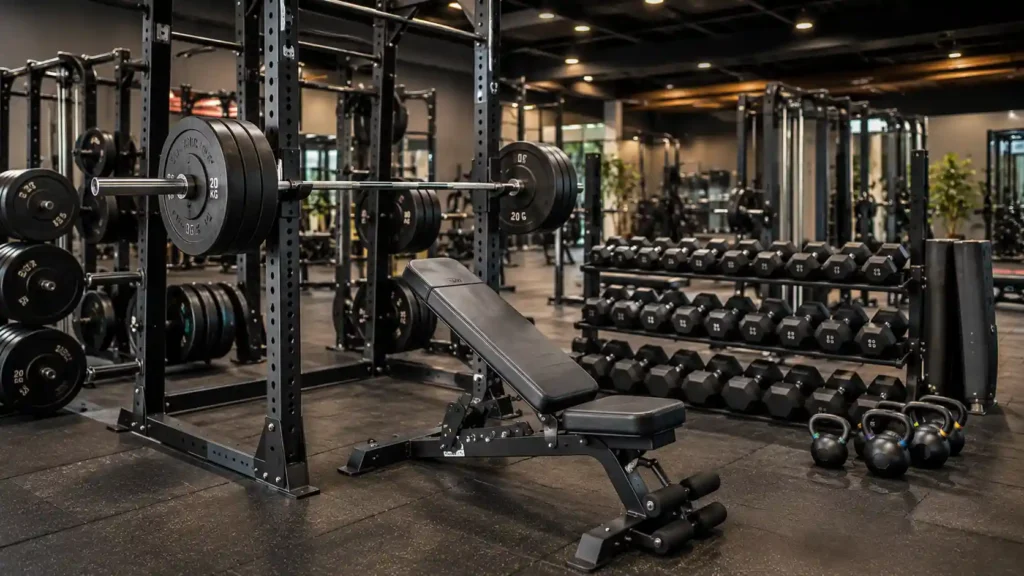
The category covers a wide range of tools, including:
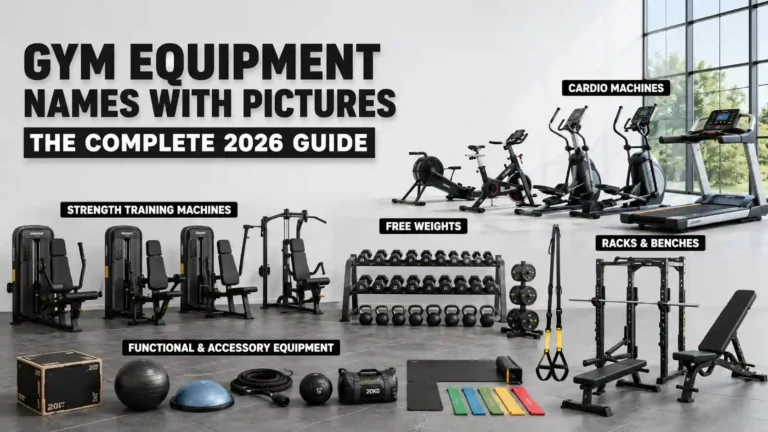
- Free weights like dumbbells, barbells, and kettlebells
- Fixed and cable machines
- Resistance bands and suspension trainers
- Bodyweight tools such as pull up bars and power towers
Each type applies resistance differently, but the underlying goal is the same: force your muscles to adapt by making them contract against a load. Over time, this process, known as progressive overload, is what builds strength, increases lean muscle mass, and supports bone density.
Direct answer: strength training equipment is any gear that provides resistance for muscle building exercises, ranging from a simple resistance band to a fully loaded power rack, and choosing the right pieces depends on your goals, available space, and experience level rather than any single “best” option.
Why Strength Training Equipment Matters
The benefits of strength training equipment go far beyond building bigger muscles. According to CDC data from the National Health Interview Survey, only 35.2% of men and 26.9% of women aged 18 and older met the federal guideline of two muscle strengthening sessions a week, a guideline tied to real, measurable health outcomes.
Regular resistance training is linked to:
- Increased lean muscle mass, which supports metabolism as you age
- Improved bone density, reducing fracture risk later in life
- Better joint stability and lower injury rates in daily activity
- Reduced visceral fat, the harmful fat that surrounds internal organs
Participation also drops sharply with age. Among men, the percentage meeting the guideline falls from 44.5% at ages 18 to 44, to 29.9% at 45 to 64, and down to 22.0% at 65 and older. Women show the same pattern, dropping from 34.1% to 17.2% across the same age ranges.
Direct answer: strength training equipment matters because consistent resistance training, done just twice a week, is directly tied to stronger bones, more lean muscle, and lower long term health risk, yet most adults still fall short of that simple benchmark.
Types of Strength Training Equipment
Not all strength training equipment works the same way, and knowing the differences helps you choose gear that actually fits your training style. The main categories are free weights, machines and cables, and bodyweight or portable tools. Each has strengths, tradeoffs, and an ideal user.
Free Weights
Free weights are the most flexible category of strength training equipment, and they’re often the best starting point for beginners and experienced lifters alike.
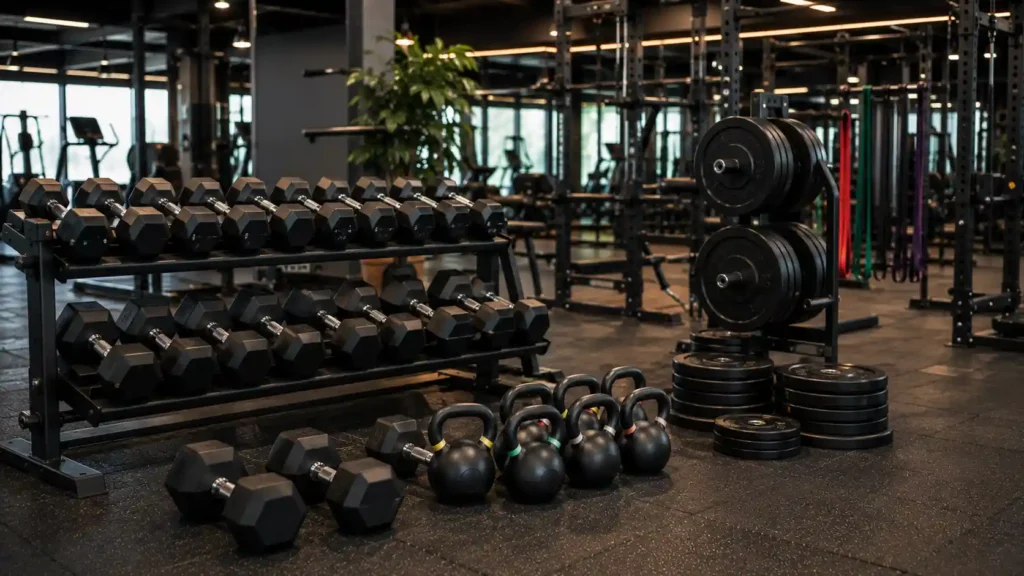
- Dumbbells: Great for unilateral training, balancing muscle development on each side of the body. Adjustable dumbbell sets, like the Bowflex SelectTech line, replace an entire rack in a fraction of the space.
- Barbells: Best for compound lifts such as squats, deadlifts, and bench presses, where you want to load heavy weight through a full range of motion.
- Kettlebells: Suited for dynamic, explosive movements like swings and cleans that blend strength with conditioning.
Because free weights require your stabilizer muscles to control the movement, they tend to build more functional strength than machines. The tradeoff is a slightly steeper learning curve, since form matters more without guided tracks.
Direct answer: free weights are the most versatile strength training equipment category because a single dumbbell or barbell can train dozens of muscle groups, making them the highest value purchase for most home gyms.
Machines and Cable Systems
Machines and cable systems offer a different tradeoff than free weights: less demand on stabilizer muscles, but more control over the exact movement path, which makes them a strong choice for beginners, rehab situations, or isolating a specific muscle.
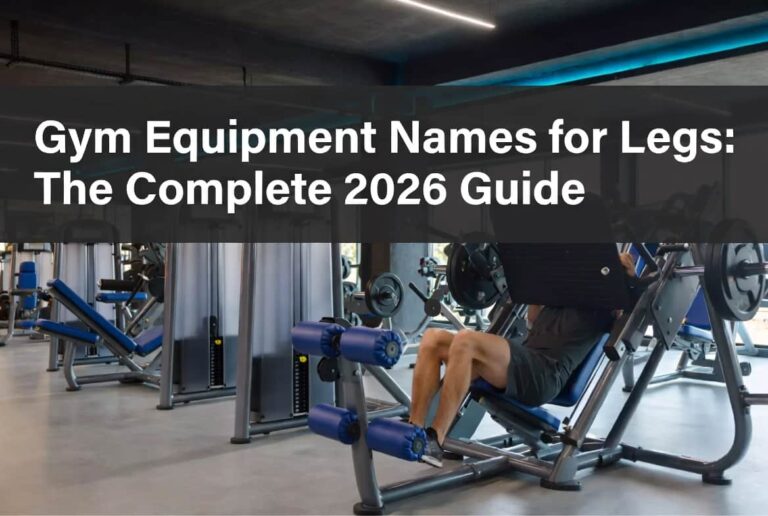
- Fixed machines: Guide the body through a set path, reducing injury risk while learning proper movement patterns. Common in commercial gyms and increasingly popular at home through compact units like the Bowflex Xtreme 2 SE.
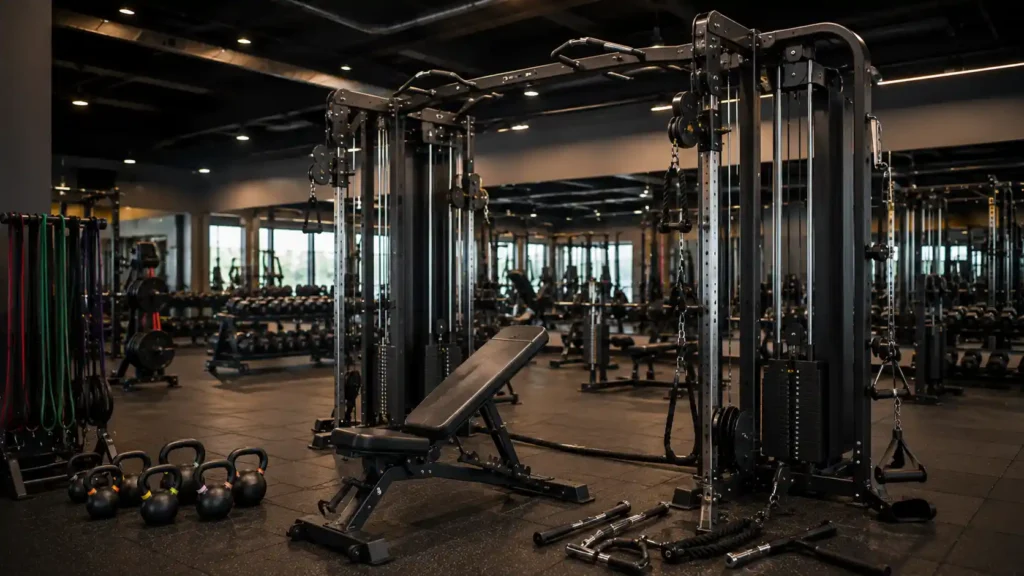
- Cable machines and functional trainers: Use adjustable pulleys to allow constant tension through a wide range of angles, closer to free weight training than a fixed machine. The REP Fitness Ares 2.0 and Bells of Steel Functional Trainer are common home picks in this space.
- Smart digital resistance systems: Newer entrants like Tonal use electromagnetic resistance and AI to adjust weight in real time, effectively acting as a personal trainer built into the wall.
Machines shine when you want a full body workout equipment solution in a small footprint without loading and unloading plates between exercises.
Direct answer: machines and cable systems trade some of the functional strength benefits of free weights for guided movement paths and convenience, making them a strong fit for beginners, rehab, or anyone who wants variety without constant setup changes.
Bodyweight and Portable Tools
Bodyweight and portable tools are the most accessible category of strength training equipment, requiring the smallest budget and the least space of any option on this list.
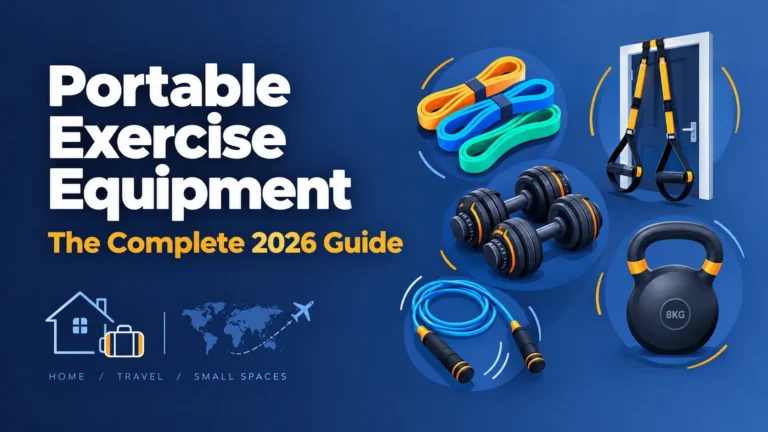
- Resistance bands: Provide variable tension that increases as the band stretches, making them useful for warmups, rehab, and travel workouts. A basic set costs a fraction of a single dumbbell.
- Suspension trainers: Systems like the TRX All in One use body weight and gravity, anchoring to a door or beam to enable hundreds of exercises targeting every major muscle group.
- Power towers: Combine a pull up bar, dip station, and sometimes push up handles into one freestanding frame, ideal for anyone building upper body and core strength without free weights.
- Pilates bars and light resistance kits: Popular entry points for beginners easing into structured strength work.
These tools won’t replace heavy compound lifting for building maximum strength, but they’re genuinely effective for muscular endurance, mobility, and consistency, especially for renters or frequent travelers who can’t commit to permanent equipment.
Direct answer: bodyweight and portable tools like resistance bands and suspension trainers are the lowest cost, most space efficient strength training equipment available, making them ideal for beginners, travel, or small living spaces, though they have a lower strength ceiling than free weights or loaded machines.
Home Strength Training Equipment: What You Actually Need
It’s tempting to buy everything at once, but the most effective home strength training equipment setups follow a clear priority order. Based on what actually gets used long term, rather than what looks impressive on day one, here’s what matters most.
- Adjustable weight. A set of adjustable dumbbells or a barbell with plates gives you the widest range of exercises per dollar spent.
- A sturdy bench. An adjustable bench unlocks presses, rows, step ups, and core work, effectively multiplying what your weights can do.
- A rack, once you’re ready to go heavier. A squat rack with a pull up bar covers pressing, pulling, squatting, and hinging, the four movement patterns that build a complete physique.
- Flooring. Often overlooked, but rubber flooring protects both your equipment and the surface underneath, and it should go down before you drop a loaded barbell, not after.
Everything past this point, cable attachments, specialty bars, recovery tools, is an upgrade, not a foundation. Many experienced lifters report their setup from year one still gets daily use years later, while flashier add ons often collect dust.
Direct answer: the home strength training equipment that matters most is adjustable weight, a bench, and eventually a rack, in that order, since this combination covers the widest range of exercises with the smallest footprint and the lowest chance of buyer’s remorse.
Free Weights vs Machines vs Cables
Choosing between free weights, machines, and cables comes down to your goals, experience level, and how much guidance you want during a lift. None of the three is universally “better,” but each has a clear best use case.
| Factor | Free Weights | Machines | Cables |
| Stabilizer muscle engagement | High | Low | Moderate |
| Learning curve | Steeper | Easiest | Moderate |
| Injury risk if form is off | Higher | Lower | Lower |
| Space efficiency | High | Low | Moderate |
| Range of motion | Full, natural | Fixed path | Adjustable, near natural |
| Best for | Building functional strength | Beginners, rehab, isolation | Constant tension, variety |
Free weights are generally the better long term investment because they train balance and coordination alongside raw strength. Machines are the safer entry point for someone new to resistance training or recovering from injury. Cables sit in between, offering more natural movement than a fixed machine while still guiding the path enough to reduce injury risk.
Many well rounded home gyms end up using a mix of all three rather than committing to just one category.
Direct answer: free weights build the most functional strength but carry a steeper learning curve, machines are the safest and easiest starting point, and cables offer a middle ground with adjustable, near natural resistance, so the right choice depends on experience level more than any inherent superiority of one type.
How to Choose Strength Training Equipment for Your Goals
The best strength training equipment for you depends entirely on what you’re training for. Matching gear to a specific goal, rather than buying whatever looks popular, saves money and keeps you consistent.
- General fitness and health: Adjustable dumbbells, resistance bands, and a bench cover most needs. The CDC guideline of two sessions a week is achievable with just these basics.
- Muscle building (hypertrophy): Prioritize equipment that allows progressive overload, adjustable dumbbells, a barbell and plates, and a cable machine for isolation work at the end of a session.
- Maximum strength: A power rack, Olympic barbell, and bumper plates matter most here, since heavy compound lifts like squats and deadlifts require stable, heavy duty equipment.
- Rehab or joint sensitive training: Machines and cables offer controlled, guided paths that reduce strain on injured or recovering joints compared to free weights.
- Travel or small space training: Resistance bands and a suspension trainer deliver a genuinely effective workout without any fixed equipment at all.
Before buying, ask what movement pattern you’re missing most, pressing, pulling, squatting, or hinging, and choose equipment that fills that gap first rather than duplicating what you already have.
Direct answer: choosing strength training equipment starts with identifying your primary goal, whether that’s general health, muscle building, maximum strength, rehab, or portability, since each goal points toward a different mix of free weights, machines, and portable tools.
Budget Tiers for Building a Home Gym
Strength training equipment spans a huge price range, and knowing what to expect at each tier helps you avoid overspending on gear you won’t use or underbuying and hitting a wall in six months.
- Starter tier (under $200): Resistance bands, a set of budget dumbbells, and a Pilates bar kit. Enough to meet the CDC’s twice weekly guideline and build a consistent habit.
- Core tier ($800 to $1,500): Adjustable dumbbells, a folding bench, and basic flooring. This is the point where a genuinely useful home gym starts, according to several 2026 buying guides.
- Serious lifter tier ($1,500 to $3,000): Add a squat rack with a pull up bar, an Olympic barbell, and bumper plates. This marks the jump from general fitness to real strength training.
- Complete setup ($3,000 to $5,000): Rounds out the rack and bench combo with a cable attachment or functional trainer, plus proper flooring throughout the training area.
- Smart gym tier ($2,800 and up, often less used): Digital resistance systems like Tonal or Speediance replace a rack, bench, and plates with one wall mounted unit, trading floor space for a higher upfront cost.
A common mistake at every tier is buying cardio machines when the actual goal is strength. Cardio equipment suits weight loss goals, while strength training equipment builds and preserves muscle, and the two shouldn’t be assumed interchangeable.
Direct answer: a usable home strength training setup starts around $800, a complete rack, bench, and plate setup lands between $3,000 and $5,000, and smart digital gyms offer a compact alternative starting around $2,800, so budget should be matched to how serious and space constrained your training goals are.
Space Saving and Apartment Friendly Options
Limited square footage is one of the most common reasons people avoid buying strength training equipment altogether, but plenty of options are built specifically for tight spaces.
- Foldable benches: Fold flat against a wall or slide under a bed, freeing the room for daily use between workouts.
- Wall mounted racks: Fold up into the wall when not in use, a popular pick for anyone who needs their living room to stay a living room after training.
- Adjustable dumbbells: A single pair replaces an entire rack of fixed weights, often taking up less floor space than a bookshelf.
- Suspension trainers: Store in a small bag and anchor to any door, requiring zero permanent floor space.
- Compact power towers: Deliver pull up, dip, and push up stations in a single freestanding frame roughly the size of a doorway.
Before buying anything for a small space, measure clearance around the equipment, not just the equipment itself. A squat rack needs room to unrack a barbell safely, and a cable machine needs pulling distance in more than one direction. Gear that has to be dragged out before every session tends to go unused, so prioritize equipment that’s ready the moment you walk in.
Direct answer: apartment friendly strength training equipment includes foldable benches, wall mounted racks, adjustable dumbbells, and suspension trainers, all of which deliver a full workout without requiring a dedicated room, provided you account for clearance space around each piece.
Safety Tips and Common Mistakes
Strength training equipment is safe when used correctly, but a few recurring mistakes account for most avoidable injuries and equipment damage in home gym settings.
- Skipping flooring. Dropping a loaded barbell or dumbbell directly onto a hard surface risks damaging both the equipment and the floor underneath. Rubber flooring should go down before the first heavy session, not after.
- Ignoring clearance space. Racks, benches, and cable machines all need room to move safely around them. A cramped setup increases the chance of hitting a wall or another piece of equipment mid rep.
- Skipping safety collars and pins. On a barbell, collars keep plates from sliding during a lift. On a rack, spotter arms or safety pins catch a failed rep so you’re never trapped under a bar.
- Progressing too fast. Adding weight before your form is solid is one of the leading causes of strain injuries, particularly with compound lifts like squats and deadlifts.
- Buying gimmicky features over durability. Flashy extras tend to become outdated fast, while sturdy steel construction on a rack or bench holds up for years.
If you’re training alone, stick to weights you can control through a full range of motion without a spotter, and save true one rep max attempts for a supervised gym setting.
Direct answer: the most common strength training equipment mistakes are skipping proper flooring, ignoring clearance space, and progressing weight too quickly, all of which are preventable with basic setup planning and realistic pacing.
Maintenance and Longevity
Strength training equipment represents a real investment, and basic maintenance is what separates gear that lasts a decade from gear that breaks down within a year.
- Wipe down after every session. Sweat is corrosive to metal over time, and a quick wipe on bars, benches, and machine frames prevents rust buildup.
- Check bolts and pins regularly. Racks, benches, and cable machines all rely on hardware that can loosen with repeated use. A monthly check takes minutes and prevents dangerous failures.
- Inspect cables and bands for wear. Fraying on a cable machine or a resistance band is a sign it needs replacing before it snaps under load.
- Store dumbbells and plates properly. Leaving weights scattered on the floor invites rust, trip hazards, and unnecessary wear on flooring.
- Lubricate moving parts. Cable pulleys and adjustable bench mechanisms benefit from occasional lubrication to keep motion smooth and prevent grinding wear.
Verifying that a rack uses standard attachment points, typically one inch or two inch holes, also matters for longevity, since it keeps future attachments compatible rather than locking you into a single brand’s ecosystem.
Direct answer: strength training equipment lasts significantly longer with simple routine care, wiping down after use, checking hardware monthly, and inspecting cables or bands for wear, all of which take only a few minutes but prevent both safety issues and costly early replacement.
Advanced Strength Training Equipment for Serious Lifters
Once the fundamentals are in place, a smaller set of advanced strength training equipment options can support serious, long term progress for lifters who’ve outgrown a basic setup.
- Power racks: Unlike a simple squat stand, a full power rack includes safety pins on all four sides, supporting heavy, unspotted lifts like squats and bench presses with a much wider safety margin.
- Olympic barbells and bumper plates: Built to handle heavier loads and repeated dropping without damage, these are standard in serious strength and powerlifting programs.
- Functional trainers and cable systems: Add constant tension movements that complement free weight training, useful for accessory work and injury prevention around the shoulders and hips.
- Digital resistance systems: AI powered platforms adjust resistance in real time based on performance, effectively automating progressive overload for lifters who want data driven training without manual plate changes.
- Specialty bars: Trap bars, safety squat bars, and multi grip bars reduce joint strain on certain lifts, letting experienced lifters train around injuries or mobility limitations.
At this level, equipment choices are less about covering basic movement patterns and more about fine tuning training variables, load, tempo, and joint angle, that a beginner setup simply can’t accommodate.
If you’re planning a training space that other people will use rather than just yourself, the equipment math changes significantly. Our guide to the Best Commercial Gym Equipment for Personal Training Studios in 2026 breaks down how to outfit a professional studio without overspending on gear your clients won’t use.
Direct answer: advanced strength training equipment like power racks, Olympic barbells, and digital resistance systems is built for lifters who’ve mastered the fundamentals and need heavier loads, finer training control, or automated progressive overload to keep advancing.
Strength Training Equipment Trends for 2026
Strength training equipment continues to evolve, and several trends are shaping what shows up in home gyms and commercial facilities alike heading into the rest of 2026.
- AI powered coaching. Systems that adjust resistance automatically based on real time performance are moving from niche to mainstream, effectively building a personal trainer into the equipment itself.
- Gamified resistance training. Interactive rowers and cable systems now incorporate game mechanics, competitive elements and immersive visuals, to keep users engaged during repetitive strength work.
- Compact, multi function design. Manufacturers increasingly favor equipment that folds away or serves multiple purposes, reflecting how many buyers train in shared or limited spaces rather than dedicated gym rooms.
- Data connected equipment. Bluetooth enabled dumbbells and benches now track reps, sets, and load automatically, syncing with fitness apps to remove manual logging.
- Sustainability in materials. A growing number of brands are shifting toward recycled steel and lower impact manufacturing for plates and frames.
None of these trends replace the fundamentals covered earlier in this guide. They enhance and track training rather than substitute for a solid foundation of adjustable weight, a bench, and eventually a rack.
Direct answer: 2026 strength training equipment trends center on AI powered resistance adjustment, gamified engagement, and connected tracking, all built on top of, not instead of, the basic free weights and machines that remain the foundation of effective training.
Frequently Asked Questions
What is the best strength training equipment for beginners? Adjustable dumbbells, resistance bands, and a basic bench are the best starting point. They cover a wide range of exercises, require minimal space, and let beginners build consistent form before progressing to heavier free weights or a squat rack.
What equipment do I need to start strength training at home? At minimum, you need a source of adjustable weight, like dumbbells or a barbell, plus a sturdy bench. Flooring protects both the equipment and your floor. A rack becomes worthwhile once you’re ready to lift heavier compound movements.
Are resistance bands as effective as free weights? Resistance bands are effective for muscular endurance, warmups, and rehab, but they have a lower strength ceiling than free weights. For maximum strength gains, dumbbells or barbells remain more effective, though bands are a strong complement to any routine.
How much does it cost to build a home strength training setup? A usable setup starts around $800 for weights, a bench, and flooring. A complete configuration with a rack, barbell, and plates typically lands between $3,000 and $5,000, depending on brand and how much capacity you need.
What is the difference between free weights and machines? Free weights require stabilizer muscles to control the movement, building more functional strength. Machines guide the body through a fixed path, reducing injury risk and simplifying form, making them a common choice for beginners or rehab focused training.
How many days a week should I strength train? The CDC recommends at least two days per week of muscle strengthening activity for measurable health benefits. Many structured programs use three to five sessions weekly, depending on training goals, recovery capacity, and experience level.
Do I need a squat rack to build muscle at home? Not initially. Adjustable dumbbells and a bench can build significant muscle on their own. A rack becomes valuable once you want to progress into heavier barbell squats, bench presses, or overhead presses beyond what dumbbells can safely provide.
What is the best budget strength training equipment? Resistance bands and a basic adjustable dumbbell set offer the highest value per dollar. Both cost under $200 combined, take up minimal space, and are enough to meet the federal muscle strengthening activity guideline consistently.
How much space do I need for a home gym? A basic setup with dumbbells and a bench fits in as little as 6×6 feet. A full rack and bench combination generally needs at least 8×10 feet, plus clearance space around the rack for safely unracking a barbell.
Can adjustable dumbbells replace a full weight set? Yes, for most home users. A single pair of adjustable dumbbells replaces an entire rack of fixed weights, often ranging from 5 to 90 pounds per hand, covering the vast majority of exercises a fixed dumbbell rack would offer.
Conclusion
Building an effective strength training setup doesn’t require every gadget on the market. Start with adjustable weight and a sturdy bench, add flooring before your first heavy session, and bring in a rack once you’re ready to progress into bigger compound lifts. That simple sequence, weight, bench, rack, covers the vast majority of what serious training actually requires.
The equipment that matters most is rarely the flashiest. A basic setup used consistently will always outperform an expensive one gathering dust in the corner. As 2026 brings more AI powered coaching and connected tracking into home gyms, those tools will enhance a solid foundation rather than replace it.
Whatever tier you’re starting from, the right strength training equipment is the piece you’ll actually use twice a week, every week.