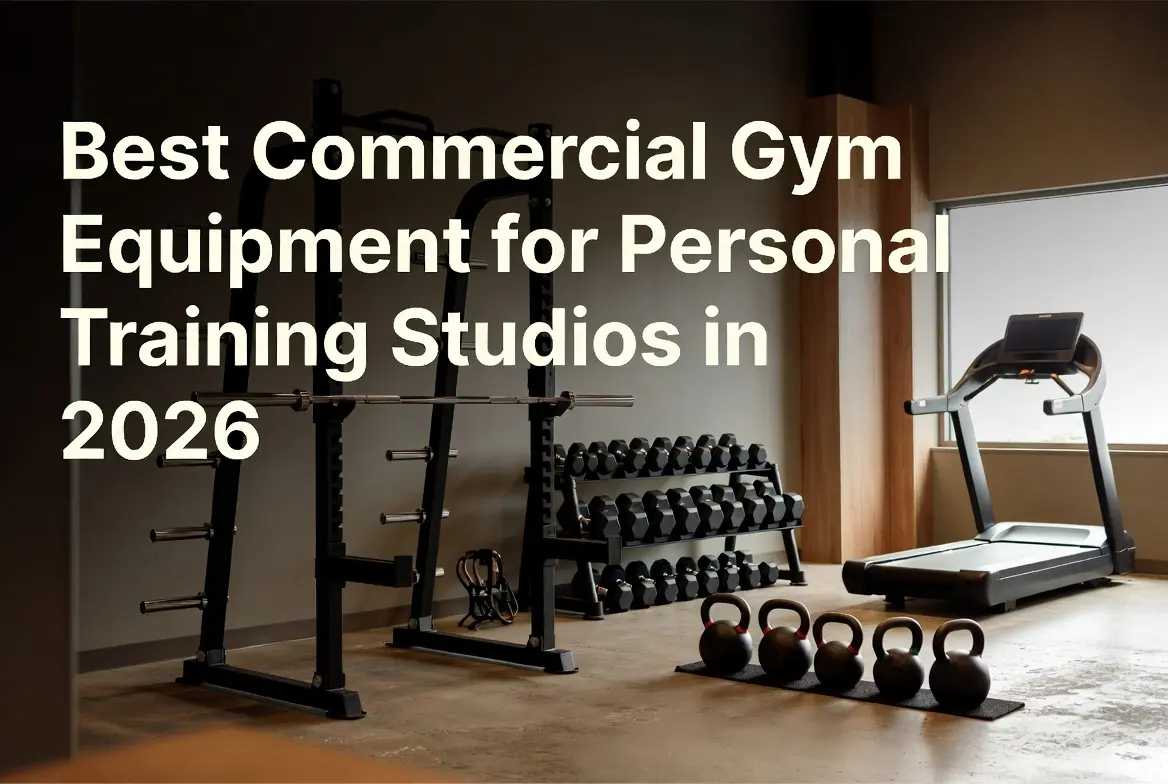
Best Commercial Gym Equipment for Personal Training Studios in 2026
Buying the wrong equipment can quietly drain thousands of dollars from a new personal training studio. Every square foot matters, and every machine needs to earn its place. The best commercial gym equipment for personal training studios balances durability, versatility, and space efficiency, not just brand names or flashy features.
This guide breaks down exactly what to buy based on your studio size, training style, and budget. You will find a complete equipment checklist, real price ranges, and a buy versus lease comparison built specifically for boutique studios rather than big box gyms.
By the end, you will know exactly which machines deserve your budget and which ones you can safely skip in 2026.
Quick Answer Equipment Checklist Summary
If you only have a few minutes, here is exactly what a well equipped personal training studio needs, organized by category and budget.
| Equipment | Best For | Approx. Price Range | Space Needed |
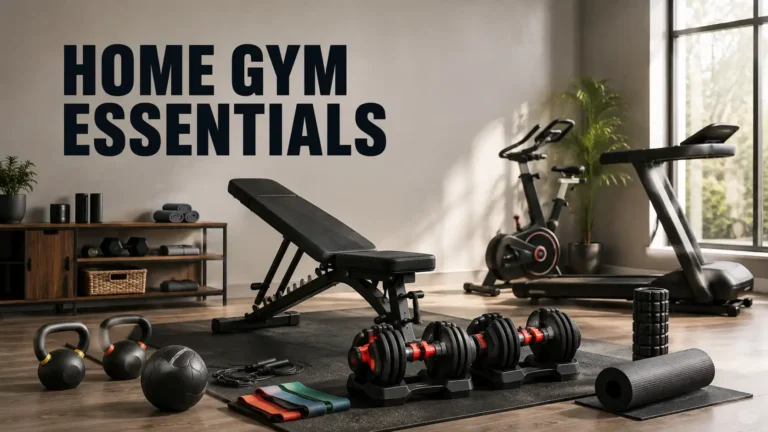
| Adjustable Dumbbells | Strength training, all client levels | $300 to $800 per set | Minimal, wall rack |
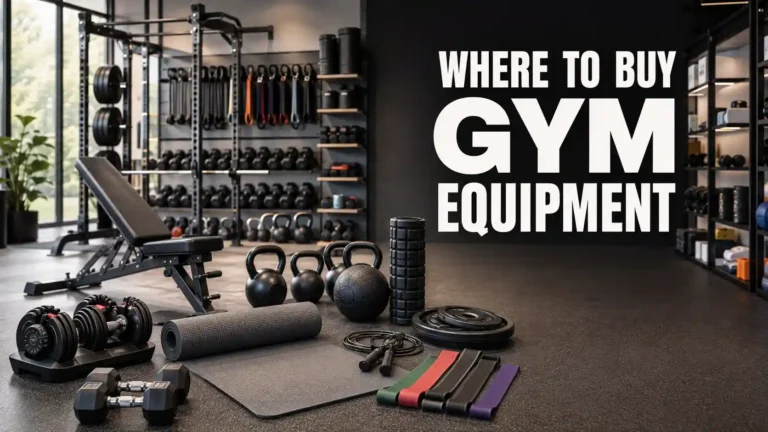
| Kettlebells | Functional and dynamic training | $200 to $600 for a full range | Minimal |
| Adjustable Bench | Foundation for most strength work | $200 to $600 | Small footprint |
| Squat Rack | Compound lifts, safety spotting | $500 to $1,500 | Moderate, needs clearance |
| Resistance Bands | Warm ups, mobility, rehab clients | $50 to $150 | Negligible |
| Cardio Machine (one unit) | Warm ups, endurance sessions | $1,000 to $4,000 | Moderate to large |
| Foam Rollers and Mats | Recovery, floor work | $100 to $300 | Minimal |
This table covers roughly 80 percent of what a typical one on one or semi private training studio actually uses on a daily basis. Everything beyond this list falls into specialty or growth stage territory, which we cover later.
Notice what is missing here too. You do not need a full cardio row or ten strength machines on day one. Most studios overbuy before they understand their actual client flow.
What Makes Equipment Commercial Grade for a PT Studio
Not all gym equipment is built the same, and this distinction matters more than most new studio owners realize. Commercial grade equipment is engineered for repeated daily use across multiple clients, while home use equipment is designed for occasional, single user sessions.
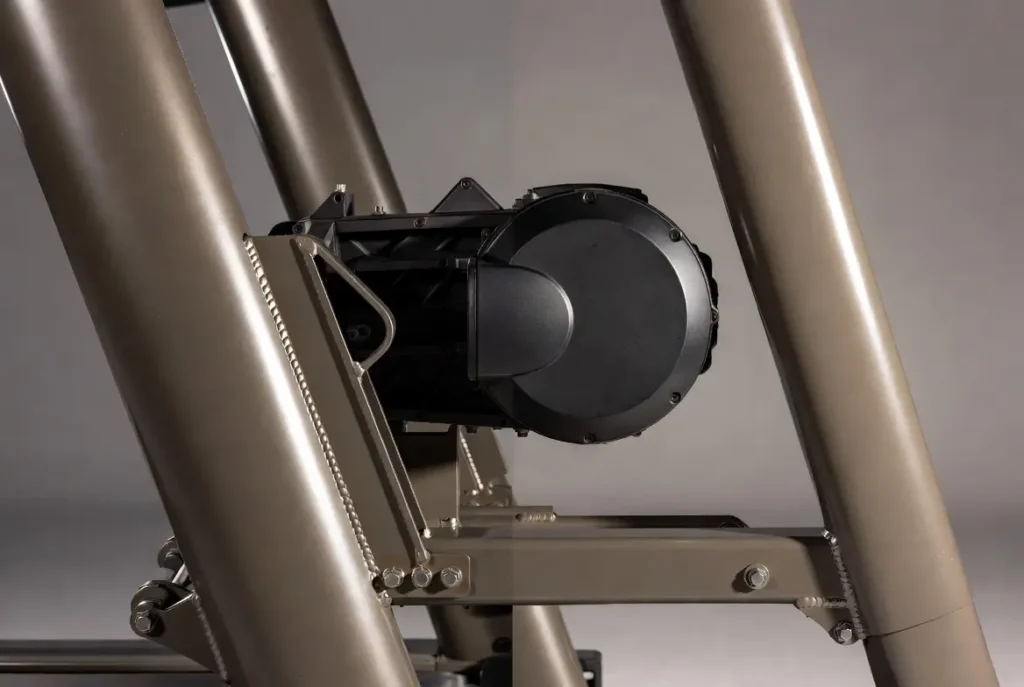
Commercial vs Home Use Equipment
The difference comes down to construction. Commercial equipment uses heavier gauge steel, reinforced welds, and higher rated motors or bearings. A home treadmill might handle a few hours of use per week. A studio treadmill needs to run for eight or more hours daily across different body weights and stride patterns without breaking down.
Buying home grade equipment for a commercial studio is a common early mistake. It looks like savings upfront but leads to frequent repairs, downtime, and eventually full replacement, often within a year or two.
Certifications to Look For
Look for equipment that carries recognized safety and quality certifications. CE marking confirms the product meets European safety standards. ISO certification, particularly ISO 20957 for fitness equipment, signals consistent manufacturing quality. UL listing matters for anything electrical, including treadmills and consoles.
These certifications are not just paperwork. They reduce your liability risk and often affect your insurance premiums as a studio owner.
Essential Equipment by Category
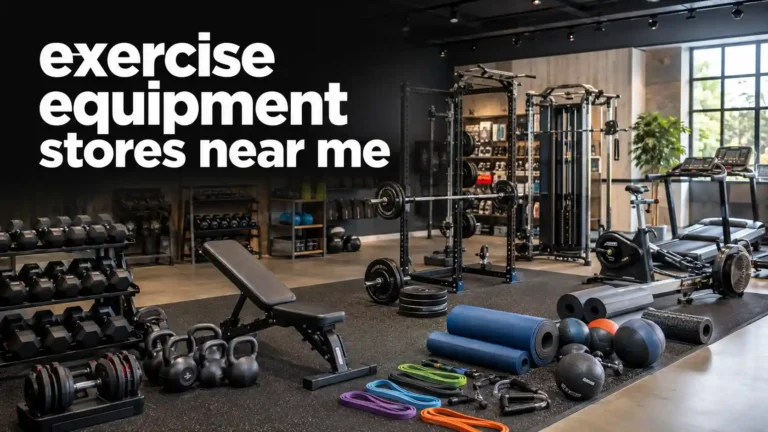
A personal training studio does not need every machine on the market. It needs the right tools across five core categories that cover strength, function, cardio, and recovery.
Free Weights and Strength Tools
Adjustable dumbbells are the backbone of most PT studios. A single set with a wide weight range replaces an entire rack, saving both money and floor space. Kettlebells add ballistic, full body movement that dumbbells cannot replicate, useful for swings, cleans, and carries. Barbells matter less for one on one studios but become important once you introduce compound lifting programs.
Benches and Racks
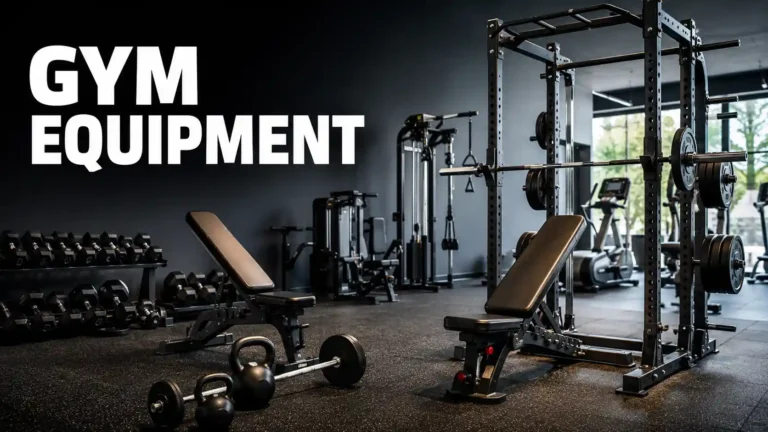
An adjustable bench supports far more exercises than its size suggests, from presses to step ups to core work. A squat rack, even a compact half rack, is worth the investment once clients progress into serious strength programming. It signals a professional setup and allows safe, spotted lifting.
Functional Training Tools
Resistance bands are inexpensive, versatile, and ideal for warm ups, mobility work, and rehab focused clients. Suspension trainers like TRX add bodyweight variety in almost no space. Medicine balls bring explosive, rotational movement that machines cannot offer.
Cardio Machines
Most studios only need one or two cardio units. A treadmill or bike covers general warm ups and endurance blocks. Rowing machines are increasingly popular for full body conditioning in a compact footprint.
Recovery Tools
Foam rollers and mats round out the setup, supporting mobility work before and after sessions. They cost little but add real value to the client experience.
How to Choose Equipment by Studio Size
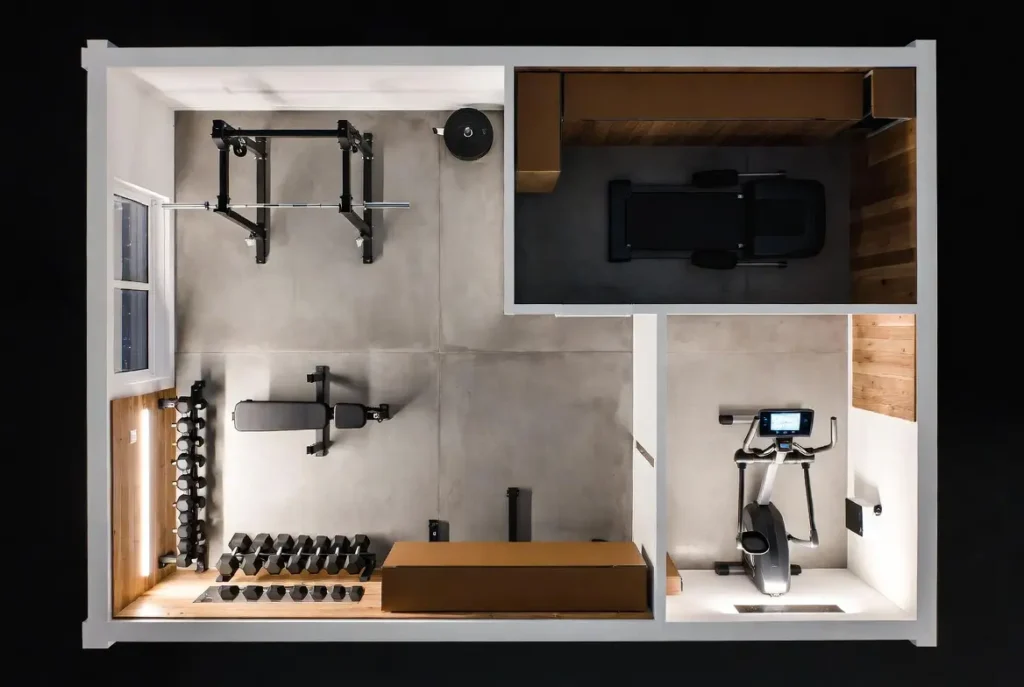
Your available square footage should drive your equipment list more than any brand preference or personal favorite. A layout that works in a 1,200 square foot space will feel cramped and unsafe in a 400 square foot room.
Under 500 sq ft Studio Setup
At this size, every piece needs to serve multiple purposes. Prioritize adjustable dumbbells, an adjustable bench, resistance bands, kettlebells, and a suspension trainer. Skip fixed machines and large cardio equipment entirely. A single foldable or compact cardio unit is the most you should consider, and only if wall space allows for storage when not in use.
500 to 1000 sq ft Studio Setup
This range allows for a squat rack and one full size cardio machine without overcrowding the floor. You can also introduce a small free weight zone with a modest dumbbell range and a rowing machine. Keep at least one open zone for functional and floor based work.
1000+ sq ft or Multi Trainer Studio Setup
Larger studios running multiple trainers or simultaneous sessions need duplicated equipment, not just more variety. Two benches, two kettlebell sets, and multiple cardio stations prevent client bottlenecks during peak hours. This is also the point where a second squat rack or a cable functional trainer starts to make financial sense.
Equipment for One on One vs Semi Private Training
Your training format changes your equipment math more than most owners expect, and planning around it early prevents costly reordering later.
One on One Training
A single client format needs less duplication but more versatility per item. One quality set of adjustable dumbbells, one bench, and a small selection of functional tools usually covers an entire day of back to back sessions, since only one client uses the space at a time.
Semi Private Training
Semi private or small group formats change the equation completely. If three clients train simultaneously, you need enough dumbbells, mats, or bands for all three at once, not just variety. This usually means duplicating your most used items, such as a second bench or a second kettlebell rack, rather than adding new equipment types.
The practical rule is simple. One on one studios should invest in range and quality per item. Semi private studios should invest in quantity of the equipment clients reach for most often, since equipment sitting idle while clients wait defeats the purpose of group training.
How Much Does It Cost to Equip a Personal Training Studio
Budget expectations vary widely depending on studio size and training format, but most new owners fall into one of three tiers.
Starter Budget Setup
A lean starter setup typically runs between $2,000 and $4,000. This covers adjustable dumbbells, resistance bands, a basic adjustable bench, kettlebells, and a few mats. It suits a small one on one studio under 500 square feet and gets a trainer fully operational without unnecessary spend.
Mid Range Setup
A mid range setup usually falls between $5,000 and $10,000. This adds a squat rack, one full size cardio machine, an expanded dumbbell range, and duplicated items for semi private sessions. This tier fits most studios in the 500 to 1000 square foot range.
Premium Setup
Premium setups range from $12,000 to $25,000 or more. This includes multiple cardio stations, a cable functional trainer, commercial branded equipment, and full duplication across stations for multi trainer studios. This tier makes sense once client volume justifies the investment.
Studio owners should treat equipment spend as a gradual build, not a single upfront purchase. Starting lean and expanding based on actual client demand protects cash flow far better than buying for a scale you have not reached yet.
Buy vs Lease: What Is Better for a PT Studio
This decision depends on your cash position, growth plans, and how long you intend to keep specific equipment.
Benefits of Buying
Buying gives you full ownership with no ongoing payments once purchased. It works out cheaper over several years and gives you complete freedom to customize your setup. Resale is also possible if you eventually upgrade or close a location. The tradeoff is a larger upfront cost and full responsibility for repairs.
Benefits of Leasing
Leasing lowers your initial cash outlay significantly, which matters most in the first year when revenue is still unpredictable. Many lease agreements include maintenance coverage, reducing surprise repair costs. It also makes upgrading equipment easier as your studio grows. The downside is a higher total cost over time and less flexibility to customize.
Which Fits a PT Studio Better
New studios with limited starting capital often benefit more from leasing core items like cardio machines, then buying smaller items like dumbbells and bands outright. Established studios with steady cash flow generally save more by buying outright once they know exactly what equipment their clients use most.
Top Commercial Gym Equipment Brands Worth Considering
Brand choice matters less than fit for your studio size and budget, but a few names consistently deliver reliable commercial grade quality at different price points.
| Brand | Best For | Price Range | Notes |
| Rogue Fitness | Strength racks, barbells | $100 to $3,000 | Heavy duty steel, minimal cardio line |
| Life Fitness | Full studio outfitting | $3,000 to $10,000 | Durable but priced for larger budgets |
| Precor | Cardio machines | $3,000 to $9,000 | Smooth biomechanics, limited strength range |
| Keiser | Rehab and senior friendly cardio | $2,500 to $8,000 | Joint friendly resistance technology |
| TRX | Functional and suspension training | $100 to $500 | Highly portable, narrow product scope |
For most starter and mid range studios, mixing brands works better than committing to one supplier for everything. Rogue or a similar strength focused brand for racks and free weights, paired with a mid tier cardio brand like Precor or Keiser, often delivers better value than an all in one premium package.
Avoid choosing a brand purely on reputation. A brand known for luxury commercial gyms may include features and price points that simply do not match a boutique studio’s client volume or budget.
5 Mistakes to Avoid When Buying PT Studio Equipment
New studio owners tend to repeat the same purchasing mistakes. Avoiding these early saves both money and floor space.
1. Buying home grade equipment to save money. It fails faster under daily commercial use and ends up costing more in repairs and early replacement.
2. Overbuying before understanding client flow. Purchasing a full cardio row or ten strength machines before you know what clients actually use wastes budget that could go toward better core equipment.
3. Ignoring studio layout and clearance space. Equipment placed without safety clearance around squat racks or cardio machines creates real injury risk and limits how many clients you can train safely at once.
4. Skipping certifications to cut costs. Uncertified equipment increases liability exposure and can affect your studio insurance, even if it looks identical to certified alternatives.
5. Choosing one premium brand for everything. Mixing brands strategically almost always delivers better value than committing an entire budget to a single high end supplier.
Most of these mistakes come from planning around ideal scenarios rather than actual day one client volume. Starting lean and adjusting based on real usage consistently outperforms an aggressive upfront purchase.
FAQs
What equipment do I really need to open a personal training studio? A starter studio needs adjustable dumbbells, resistance bands, an adjustable bench, kettlebells, and mats. This covers most one on one training sessions without overspending before you understand client demand.
How much does it cost to equip a small personal training studio? A lean starter setup typically costs between $2,000 and $4,000. This covers essential strength and functional tools suited for a studio under 500 square feet.
Is it better to buy or lease gym equipment for a PT studio? Leasing suits new studios with limited starting capital, especially for cardio machines. Buying works better for established studios with steady cash flow and known equipment needs.
What’s the difference between commercial and home gym equipment? Commercial equipment uses heavier steel, reinforced welds, and higher rated components built for daily multi client use. Home equipment is designed for occasional, single user sessions and wears out faster commercially.
How much space do I need for a one person PT studio? A functional one on one studio can operate in as little as 300 to 500 square feet using multipurpose equipment like adjustable dumbbells, bands, and a bench.
What cardio equipment is best for a personal training studio? Most studios only need one or two units. A treadmill or rowing machine covers general warm ups and endurance work without taking excessive floor space.
Do I need certified or CE marked equipment for a private studio? Yes. Certified equipment reduces liability risk and often affects insurance premiums, even in small private studios with limited client volume.
What’s the best budget friendly gym equipment brand for new studios? Rogue Fitness offers strong value for strength equipment, while TRX provides affordable functional training tools suited for smaller studio budgets.
How many clients can a small PT studio equipment setup support? A starter setup comfortably supports one on one sessions throughout the day. Semi private formats require duplicated equipment to support two or three simultaneous clients.
What equipment should I avoid buying for a personal training studio? Avoid home grade machines, oversized cardio rows, and uncertified equipment. These lead to early breakdowns, wasted space, and unnecessary liability risk.
Conclusion
Choosing the best commercial gym equipment for personal training studios comes down to matching your purchases to your actual space, budget, and training format, not chasing every trending machine on the market. A lean starter setup, expanded gradually as client demand grows, protects cash flow far better than an aggressive upfront investment.
Focus on versatile core items first: adjustable dumbbells, a solid bench, resistance bands, and one reliable cardio unit. Add duplicated equipment only when semi private sessions or multiple trainers demand it, and always prioritize certified, commercial grade construction over short term savings.
As studios continue evolving in 2026, owners who build intentionally around real client usage, rather than assumptions, will see stronger returns on every piece of equipment they buy.